 EveryMemory
How to Be Smarter (Practically)
You can't reliably raise your IQ, but you can become noticeably more effective by sharpening specific skills - knowledge, focus, reasoning habits, and clear thinking.
Part of the guide: How to Keep Your Brain Healthy: A Complete Lifestyle Guide →
⚡ Quick answer
You can't reliably raise general IQ, but you can become much more effective. Build deep knowledge in areas you care about (expertise is what looks like intelligence), sharpen focus and working memory, adopt reasoning habits like checking assumptions and evidence, and use deliberate practice to improve specific skills. These produce real, visible gains; promises of fast IQ boosts don't.
Key takeaways
- You can't reliably raise IQ, but you can become far more effective.
- Deep knowledge and pattern recognition are most of what looks like intelligence.
- Adopt clear-thinker habits: check evidence, say 'I don't know', steelman.
- Use deliberate practice at the edge of your ability, not just exposure.
Let's be honest up front: there's no reliable way to raise your general intelligence, and anyone selling a quick route to a higher IQ is selling something that doesn't work. The good news is that "smart" in daily life rarely means raw IQ. It means knowing useful things, thinking clearly, focusing well, and making good decisions - all of which you can genuinely improve.
So the practical question isn't "how do I get a bigger brain" but "how do I think and act more effectively?" That breaks into concrete, achievable skills, none of them magic and all of them within reach with steady effort.
Build knowledge - it's most of what looks like intelligence
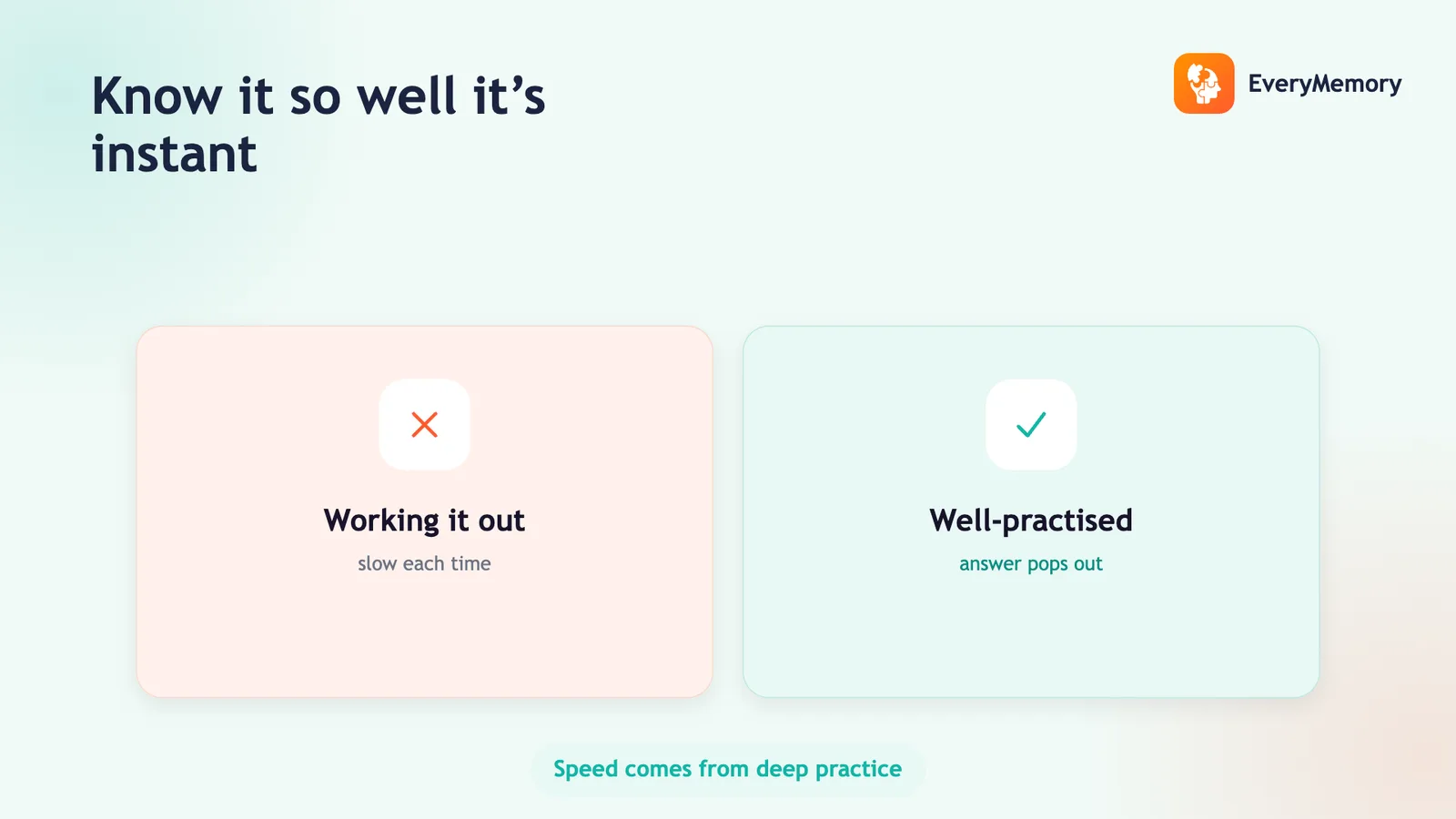
Much of what we call "smart" is really knowledge and pattern recognition built over time. An expert isn't processing faster from nowhere; they've seen thousands of cases and recognise patterns instantly. The fastest route to seeming and being smarter in any area is to actually know it deeply.
This is liberating: you don't need a better brain, you need to read, study, and accumulate. Depth beats breadth - one field understood well does more for your thinking than ten skimmed. Use the methods in learning faster so the knowledge sticks.
Sharpen the skills that support thinking
Underneath knowledge sit a few trainable capacities. They won't change your IQ, but they change how much of your ability you can actually use:
| Skill | Why it makes you more effective |
|---|---|
| Focus | You can't think well about what you can't attend to |
| Working memory | Holding more in mind at once means handling harder problems |
| Reasoning habits | Checking evidence and assumptions prevents confident errors |
| Clear writing | Forcing thoughts into words exposes muddled thinking |
Adopt the habits of clear thinkers
Smart-seeming people often aren't faster - they're more careful. They've built habits that catch errors the rest of us make. You can borrow these directly:
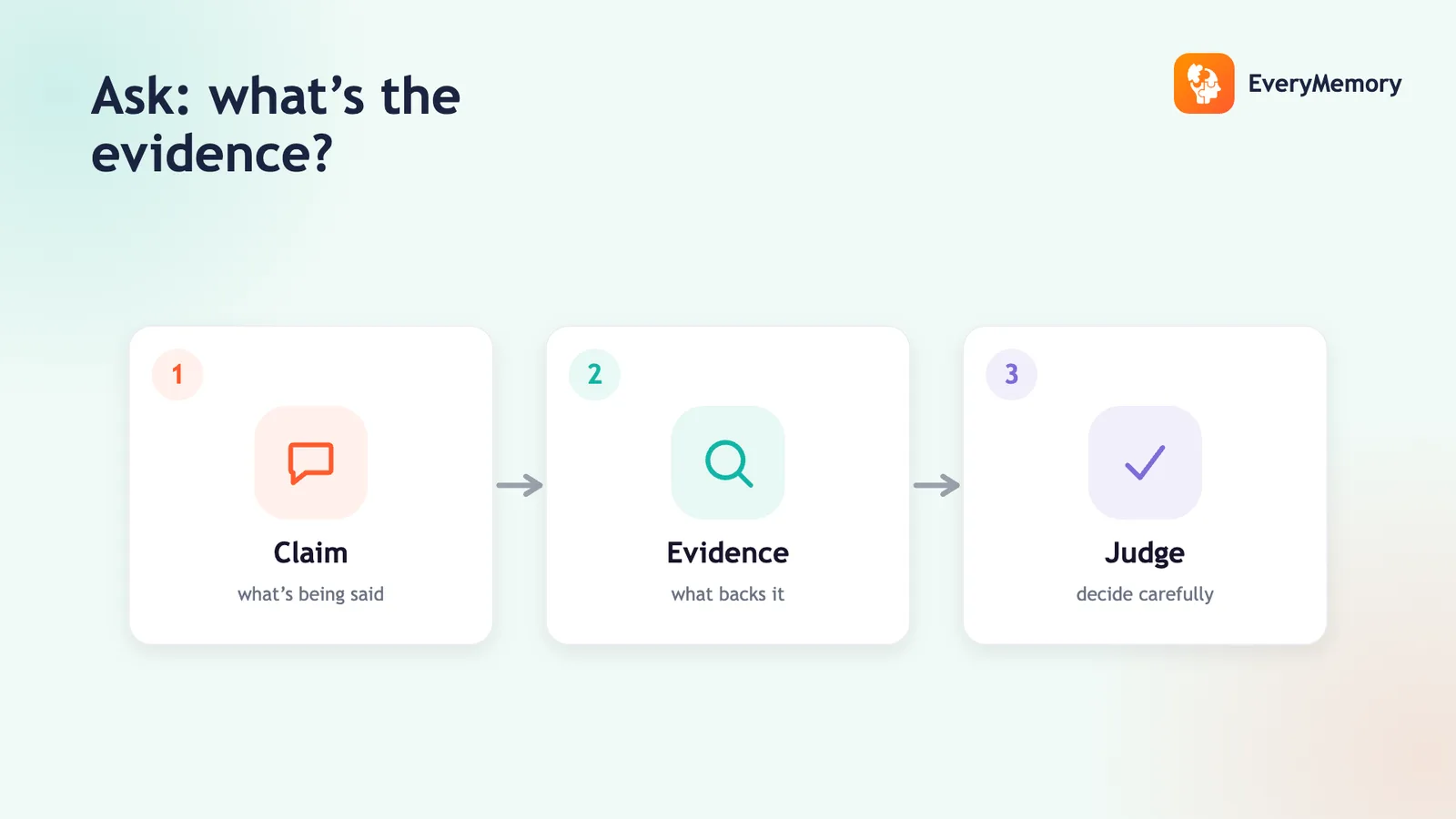
- Ask for the evidence before accepting a claim (see critical thinking).
- Say "I don't know" instead of bluffing - it's the start of actually finding out.
- Steelman views you disagree with before dismissing them.
- Think on paper; writing forces the muddle into the open.
- Update when the facts change, instead of defending a position.
Use deliberate practice, not just exposure
Doing something a lot doesn't make you good at it - drivers don't keep improving for decades. What improves a skill is deliberate practice: working at the edge of your ability, on the specific parts you're weak at, with feedback, repeatedly. That's how musicians and chess players reach high levels, and it works for any skill you care to build.
The catch is that it's effortful and a little unpleasant, because you're always operating where you fail. Comfortable repetition feels productive and changes little. The discomfort is the signal that you're actually getting better.
✅ Try this today - Pick one area and go deep
Building real depth beats chasing a vague "smarter":
- Choose one subject you want to understand well - not ten, one.
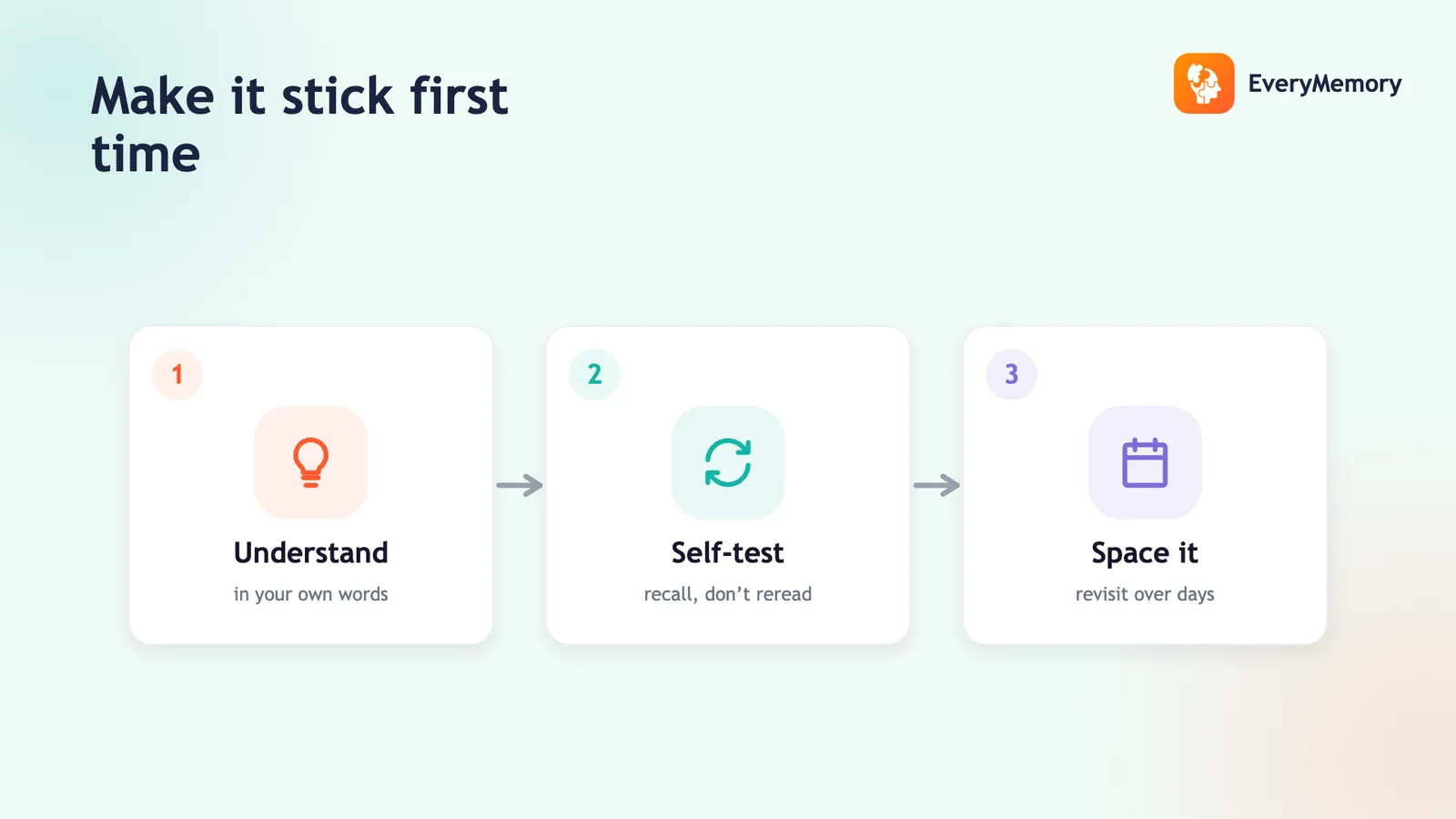
- Spend four weeks learning it with active recall and spaced review, not passive reading.
- Each week, explain what you've learned in plain language to expose gaps (the Feynman test).
- Notice how much sharper you sound and feel in that area. That's what "smarter" actually looks like.