 EveryMemory
Memory Problems
Simple explanations for common memory concerns, from forgetting names to misplacing things.
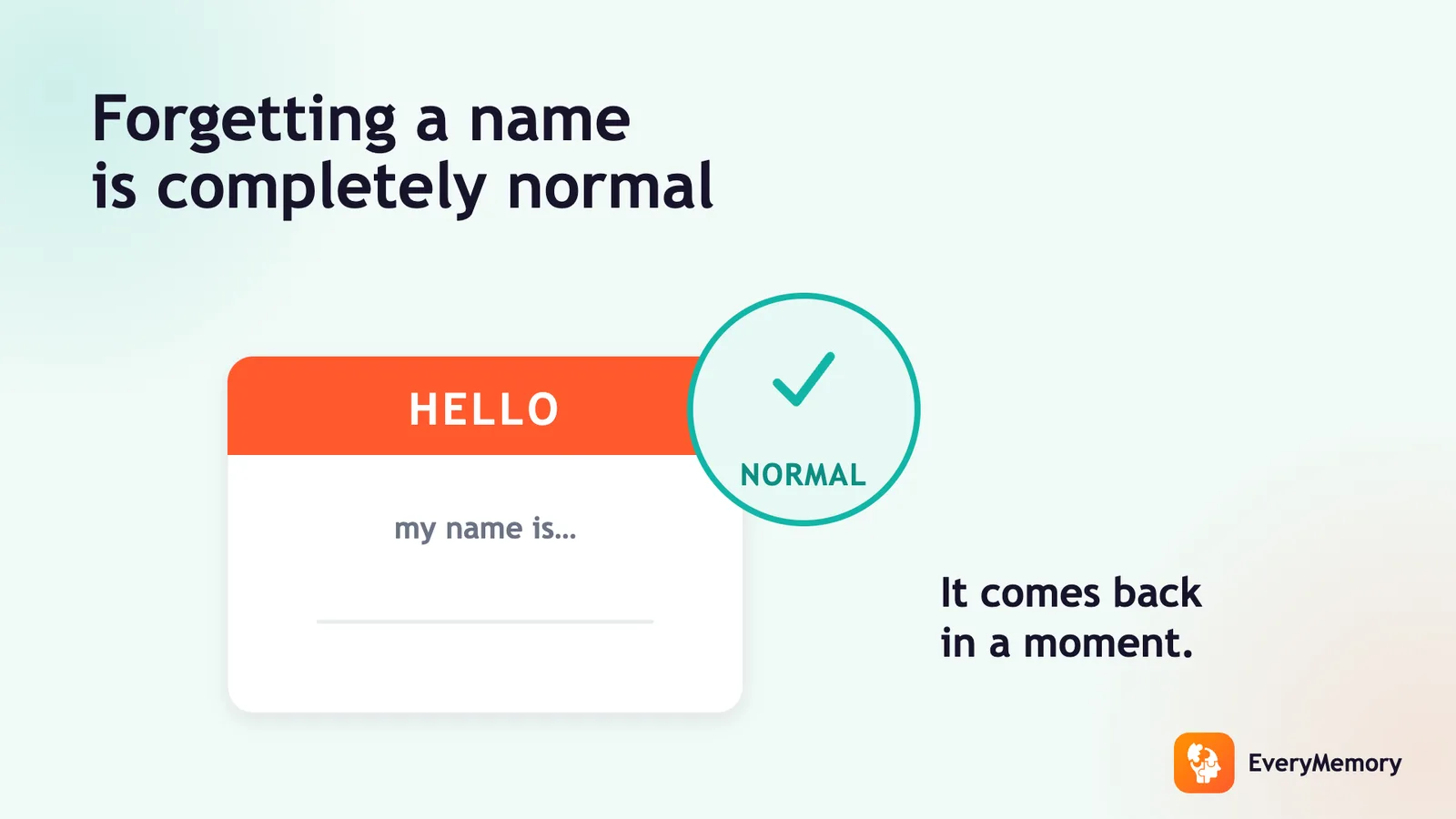
Is It Normal to Forget Names After 60?
Blanking on a familiar name is one of the most common memory complaints after 60 - and in most cases it's a normal feature of how recall works, not a warning sign.
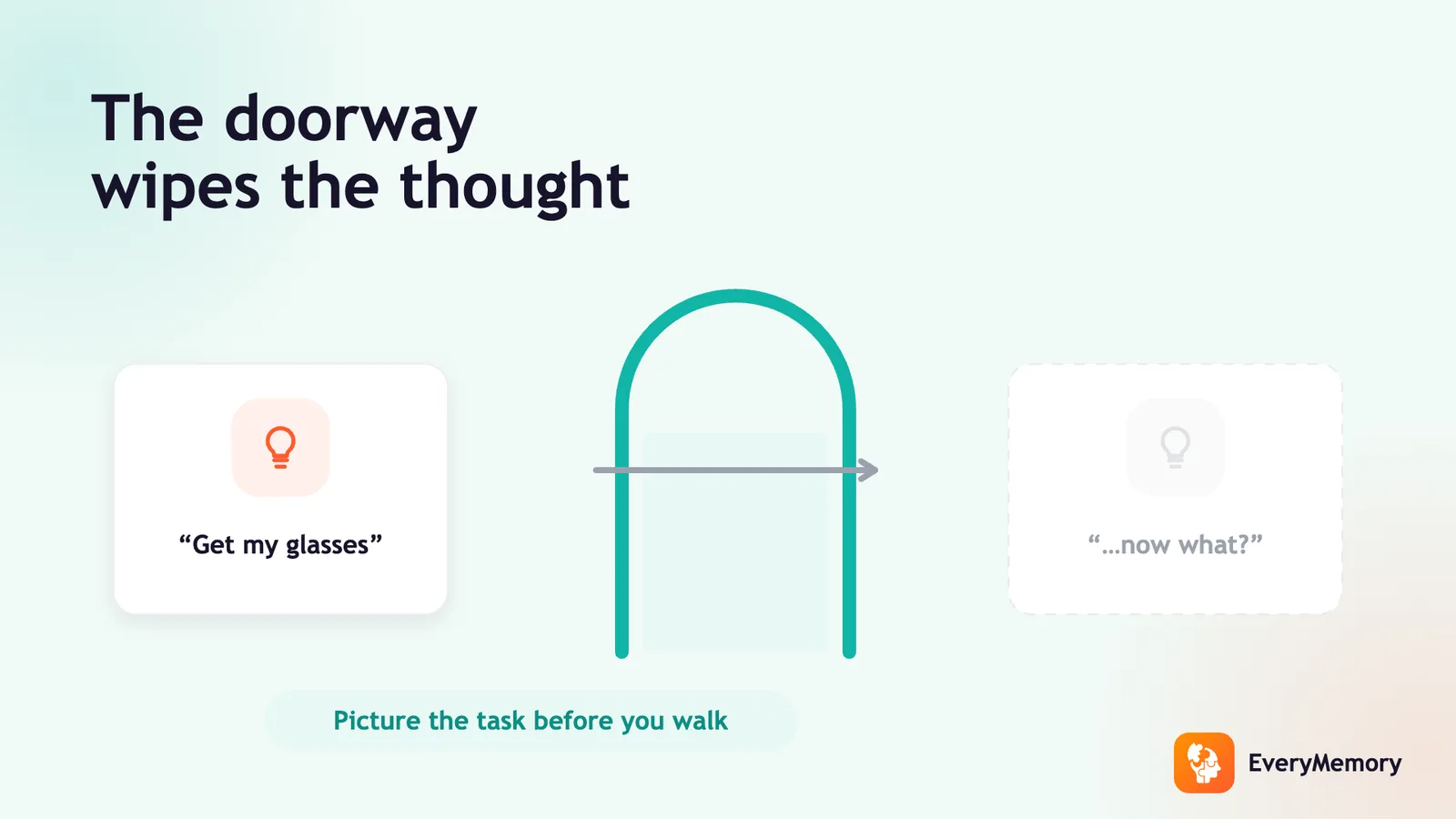
Why Do I Forget Why I Entered a Room?
Forgetting why you walked into a room is so common it has a name - and understanding it makes the fix much easier.

Memory Loss vs Normal Aging: What's the Difference?
Some memory change is a normal part of getting older. Here's a clear, non-medical way to tell everyday forgetfulness from the kinds of changes worth discussing with a professional.
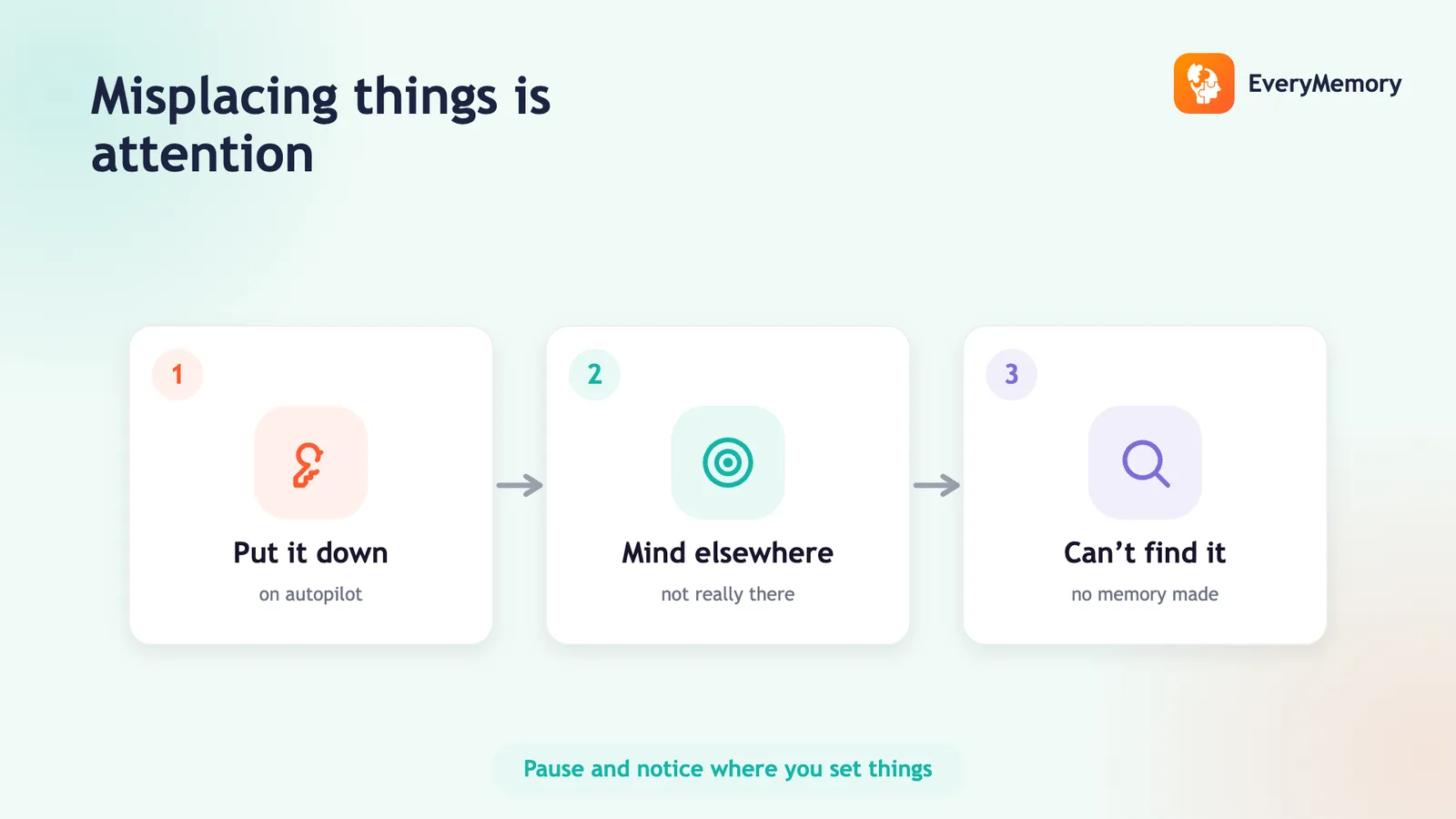
Why Do I Keep Misplacing Things?
Constantly hunting for your keys, glasses, or phone usually points to attention - not memory. Here's why it happens, and how two small habits can end the daily search.
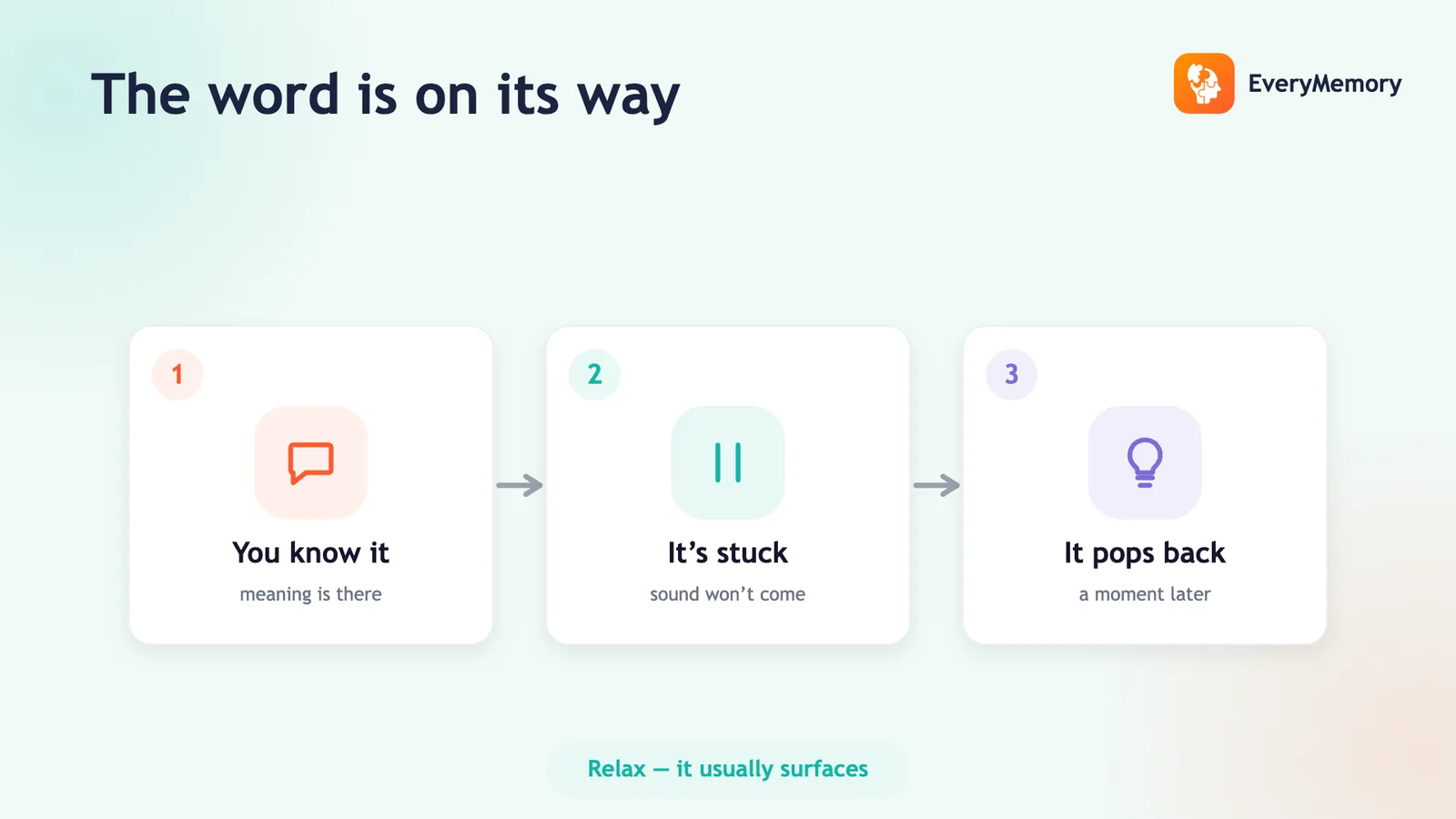
Why Do I Forget Words While Speaking?
That 'tip of the tongue' feeling - knowing the word but being unable to say it - is one of the most universal memory experiences. Here's what's really happening, and how to get the word back.
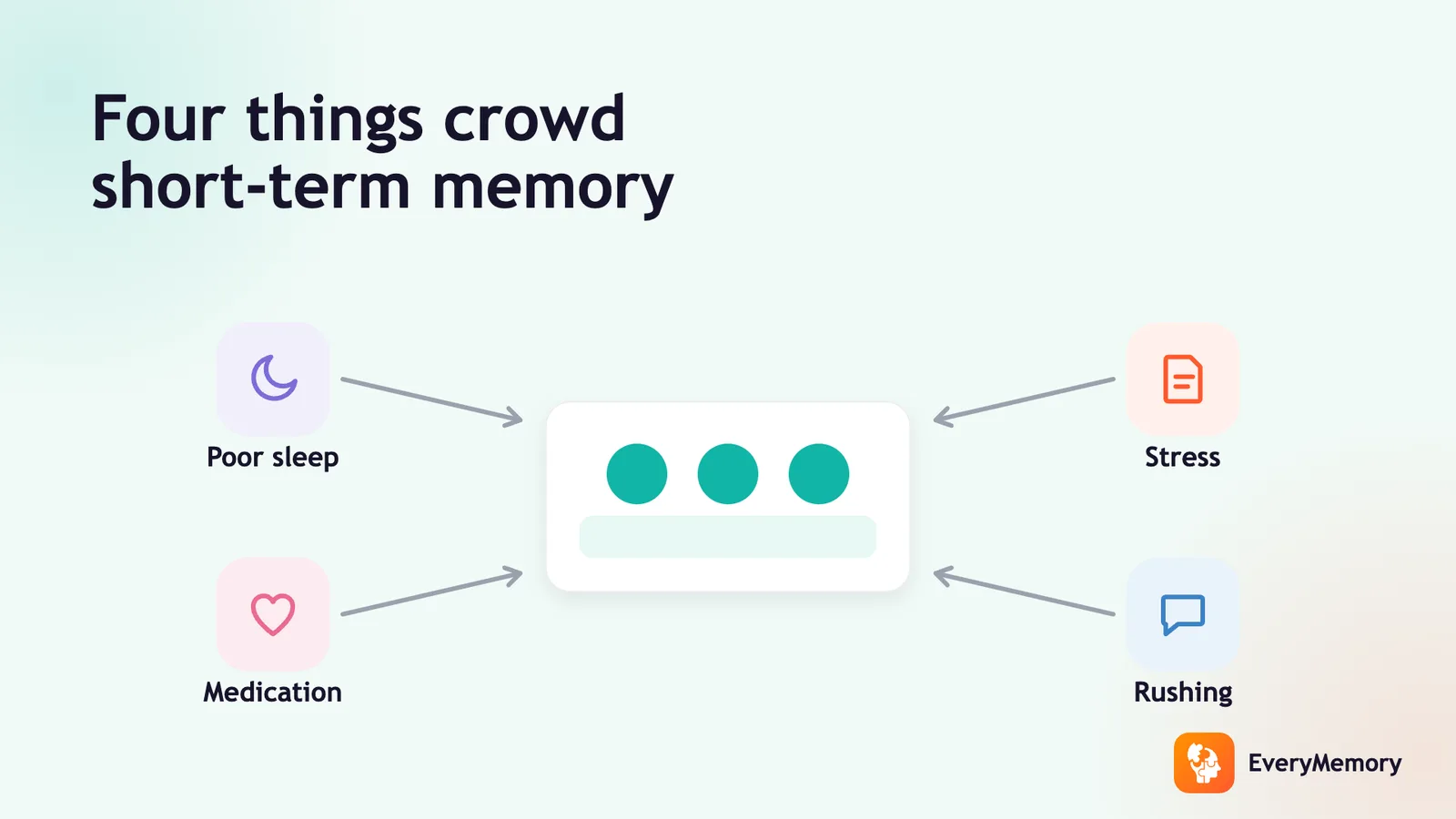
Short-Term Memory Problems: What Can Affect Them?
Short-term memory problems in older adults have many causes - most of them common and changeable, a few worth discussing with a professional.

How Memory Works: A Simple Guide
Memory isn't a single system - it's a layered process of encoding, storage, and retrieval. Understanding how it works makes forgetting far less worrying.
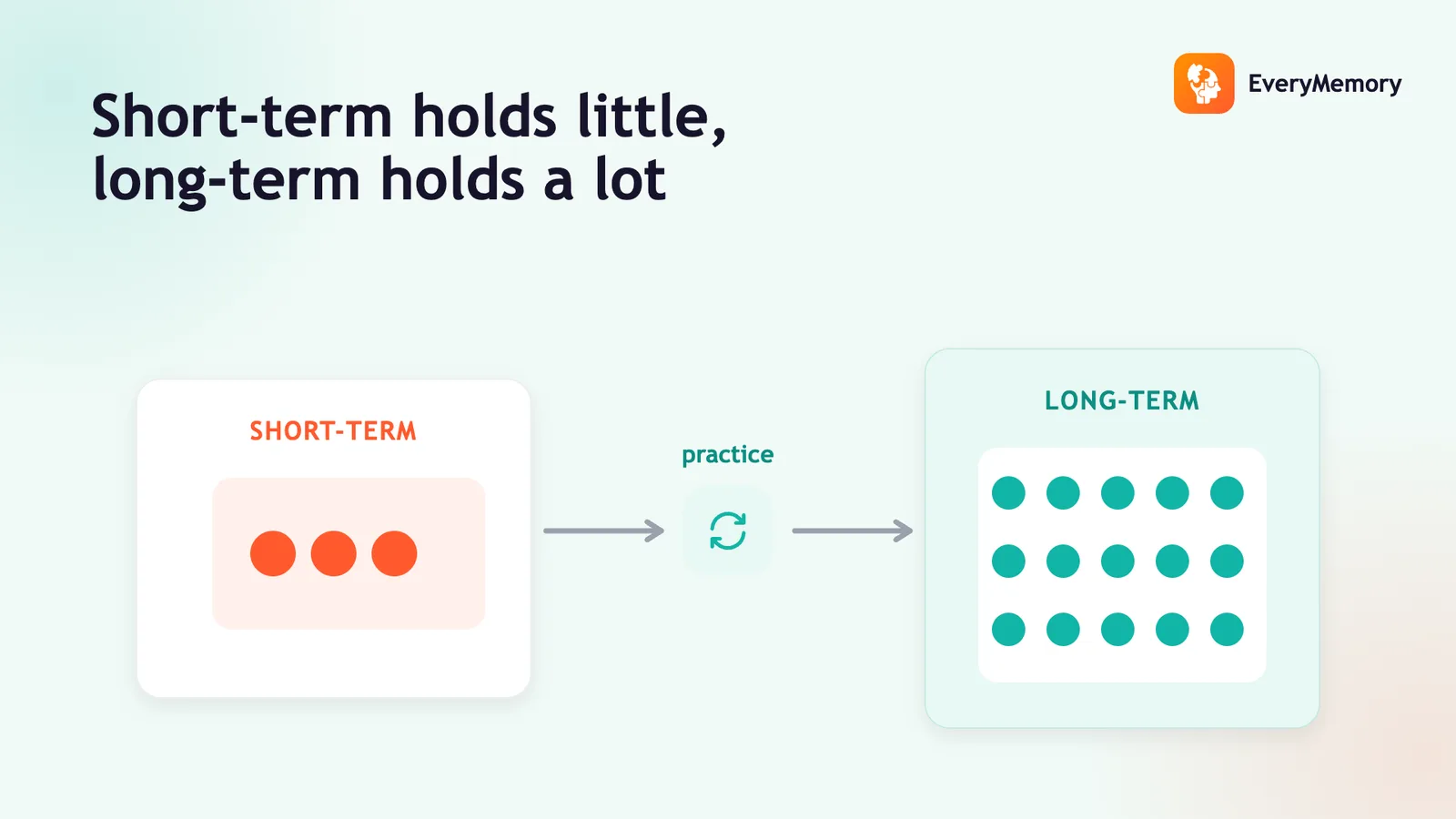
Short-Term vs Long-Term Memory: What's the Difference?
Short-term and long-term memory are genuinely different systems. Understanding the contrast helps explain why some things slip immediately while others last a lifetime.
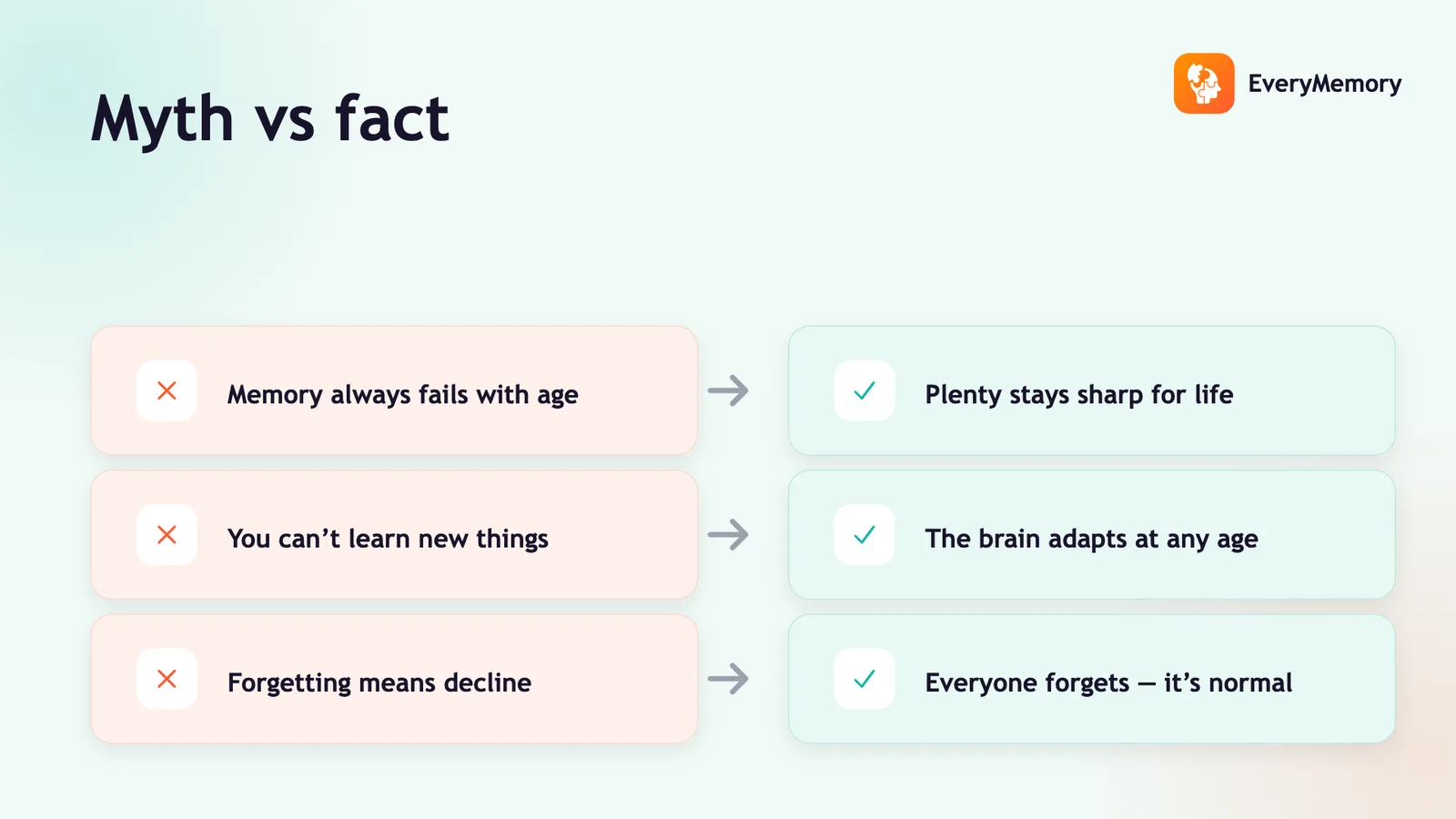
5 Common Myths About Memory and Aging
Many fears about memory and aging are built on myths. Here's a clear, reassuring look at five of the most common misconceptions - and what's actually true.
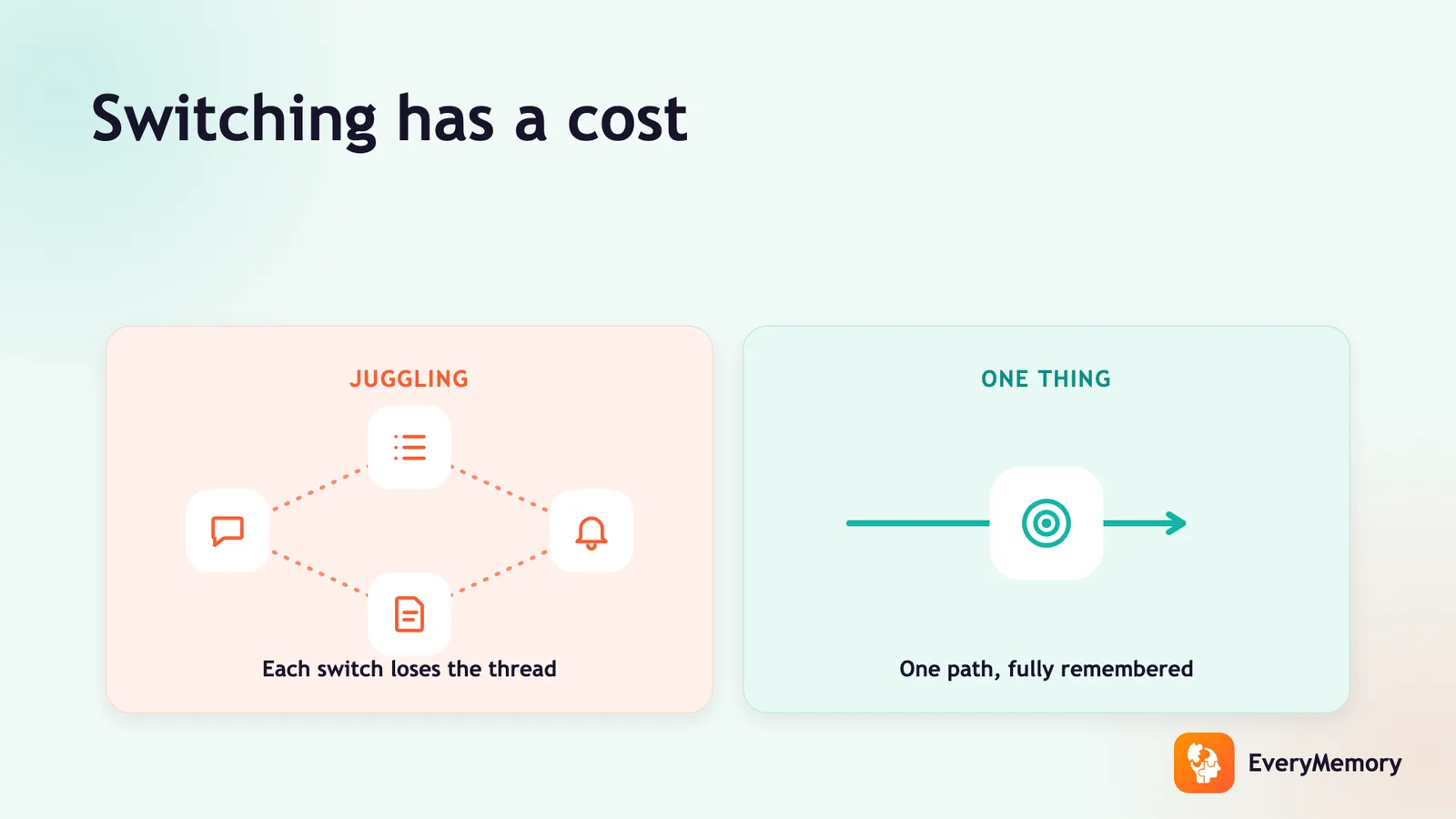
Why Multitasking Makes You Forgetful
Multitasking doesn't split your attention evenly - it switches it rapidly, and each switch leaves information too shallow to stick. Here's what's happening and how to fix it.
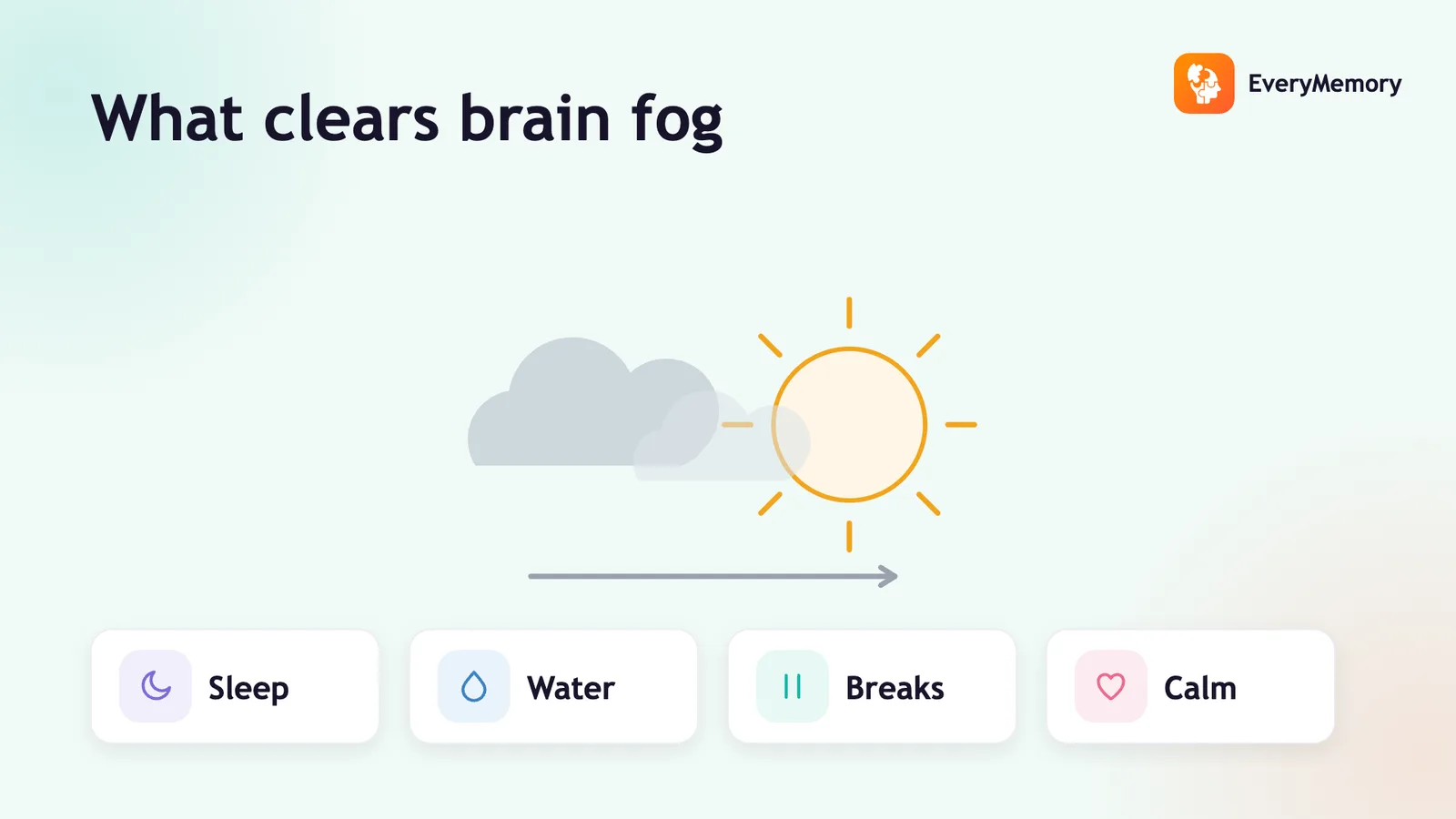
Brain Fog: Common Causes and What Can Help
That cloudy, slow-thinking feeling has a name - brain fog - and it's usually tied to everyday factors like poor sleep, stress, or dehydration that you can actually do something about.
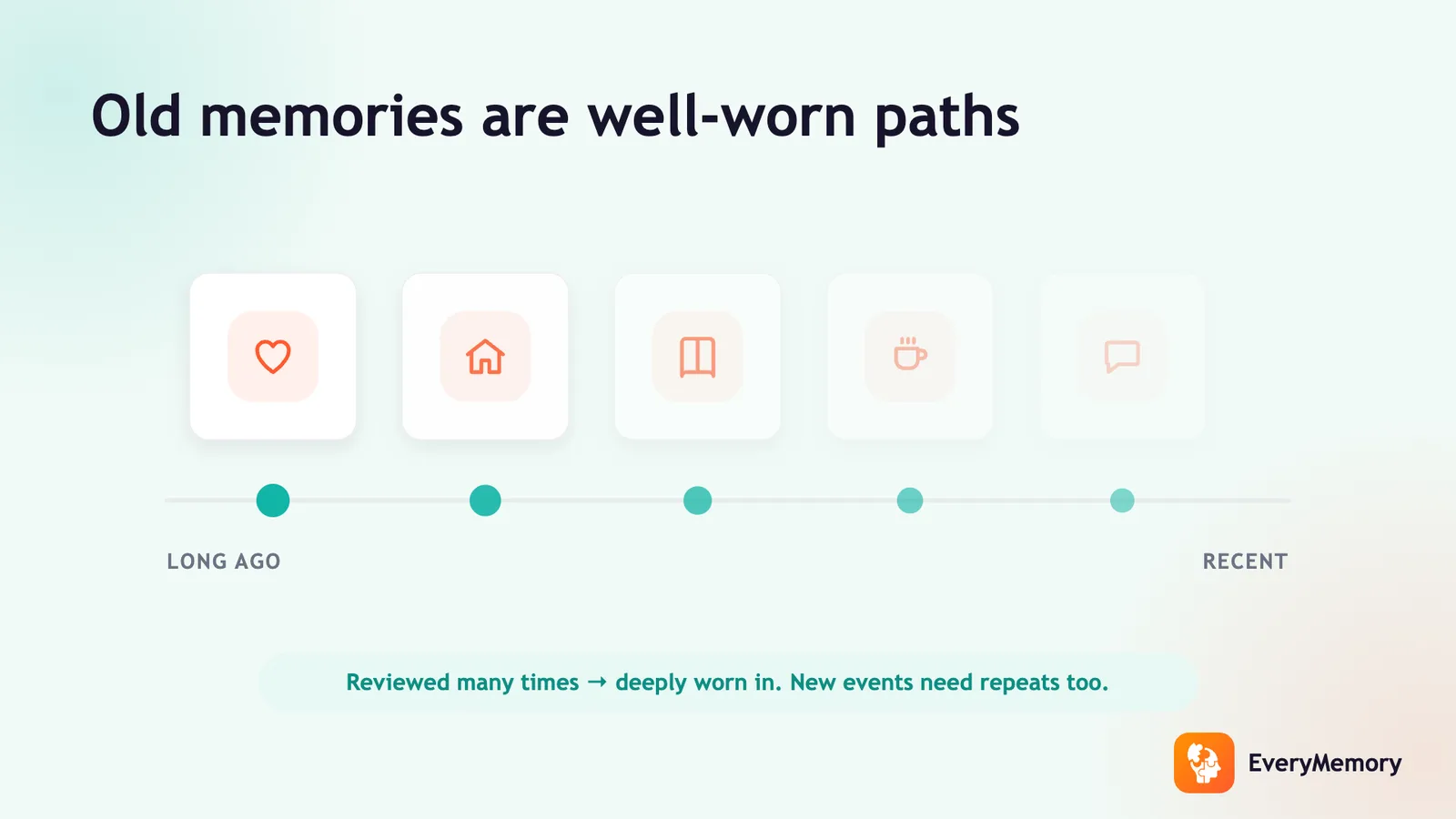
Why Old Memories Stay Clear While Recent Ones Fade
Childhood feels vivid, yet you can't recall what you had for lunch yesterday - this common pattern has a solid scientific explanation, and it's almost always reassuring.
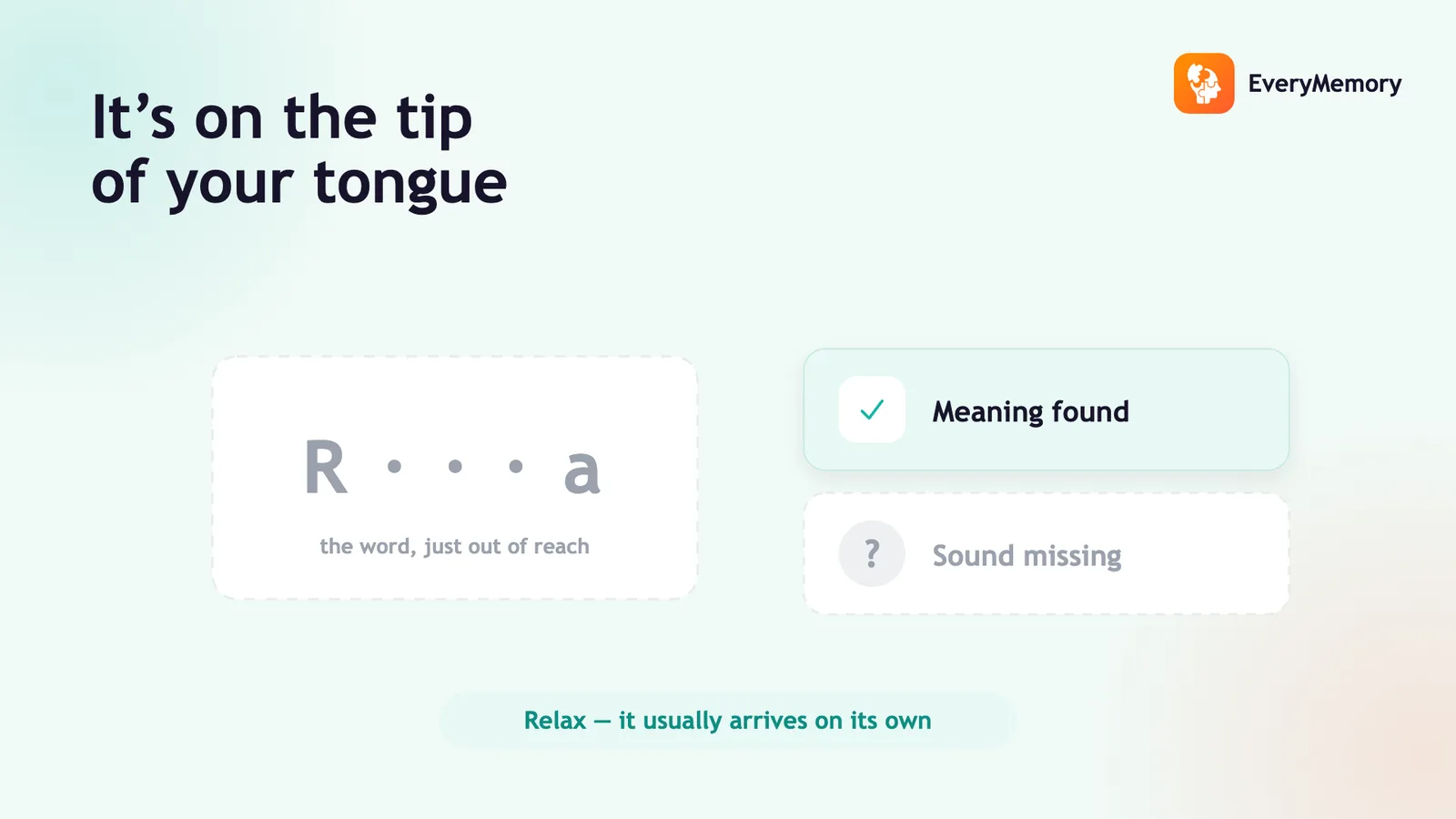
Tip of the Tongue: Why Words Get Stuck
That maddening moment when a word hovers just out of reach is called the tip-of-the-tongue state - a normal retrieval hiccup, not a warning sign, and it almost always resolves on its own.
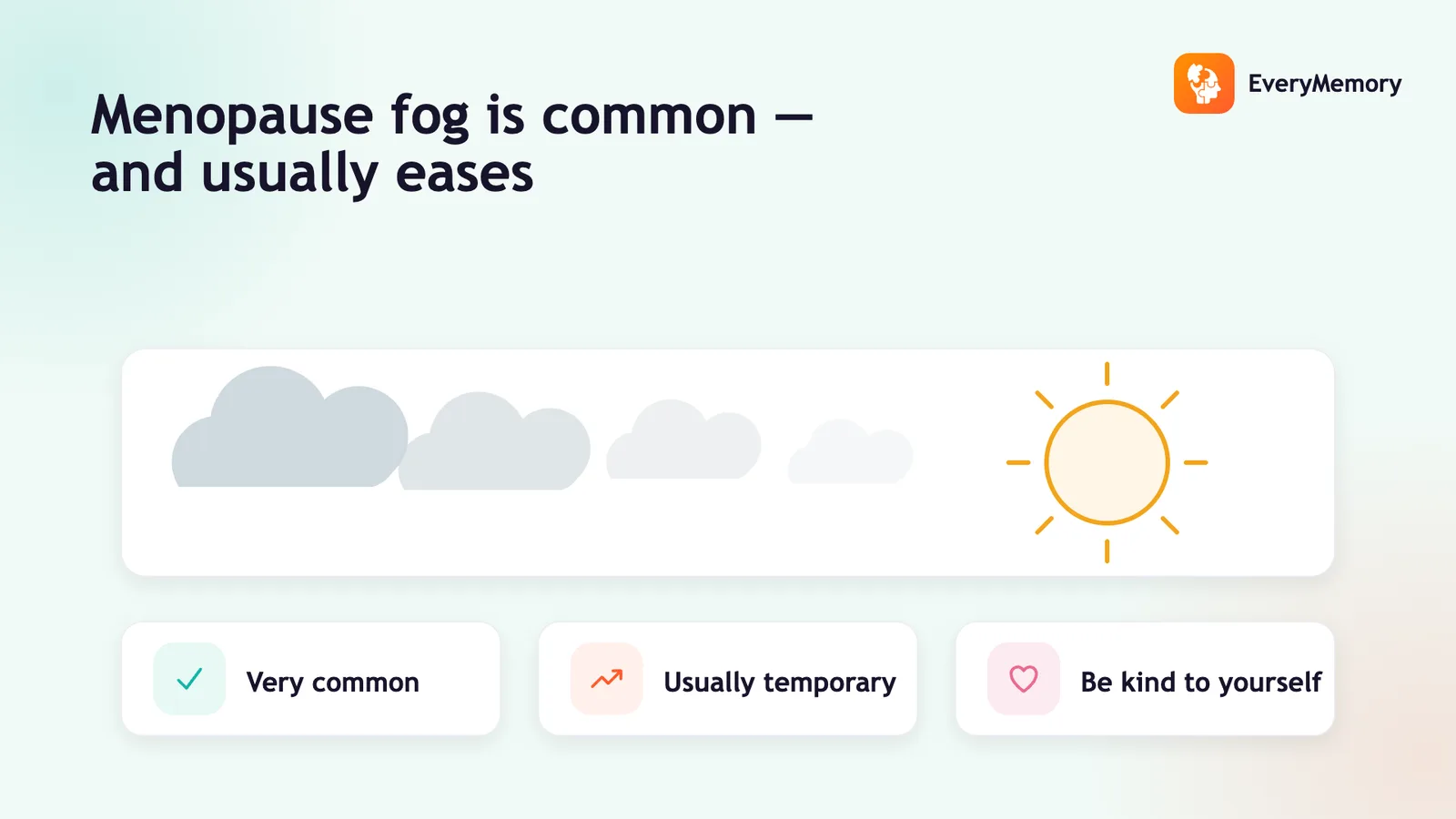
Menopause and Memory: What Women Should Know
Word-finding trouble, forgetfulness, and fuzzy focus are commonly reported during perimenopause and menopause - and for many women, these changes ease over time with the right everyday supports.
Long COVID Brain Fog: What Older Adults Report
Foggy thinking, word-finding trouble, and mental fatigue are among the most commonly reported experiences after COVID-19 - here is what older adults describe and what gently helps.
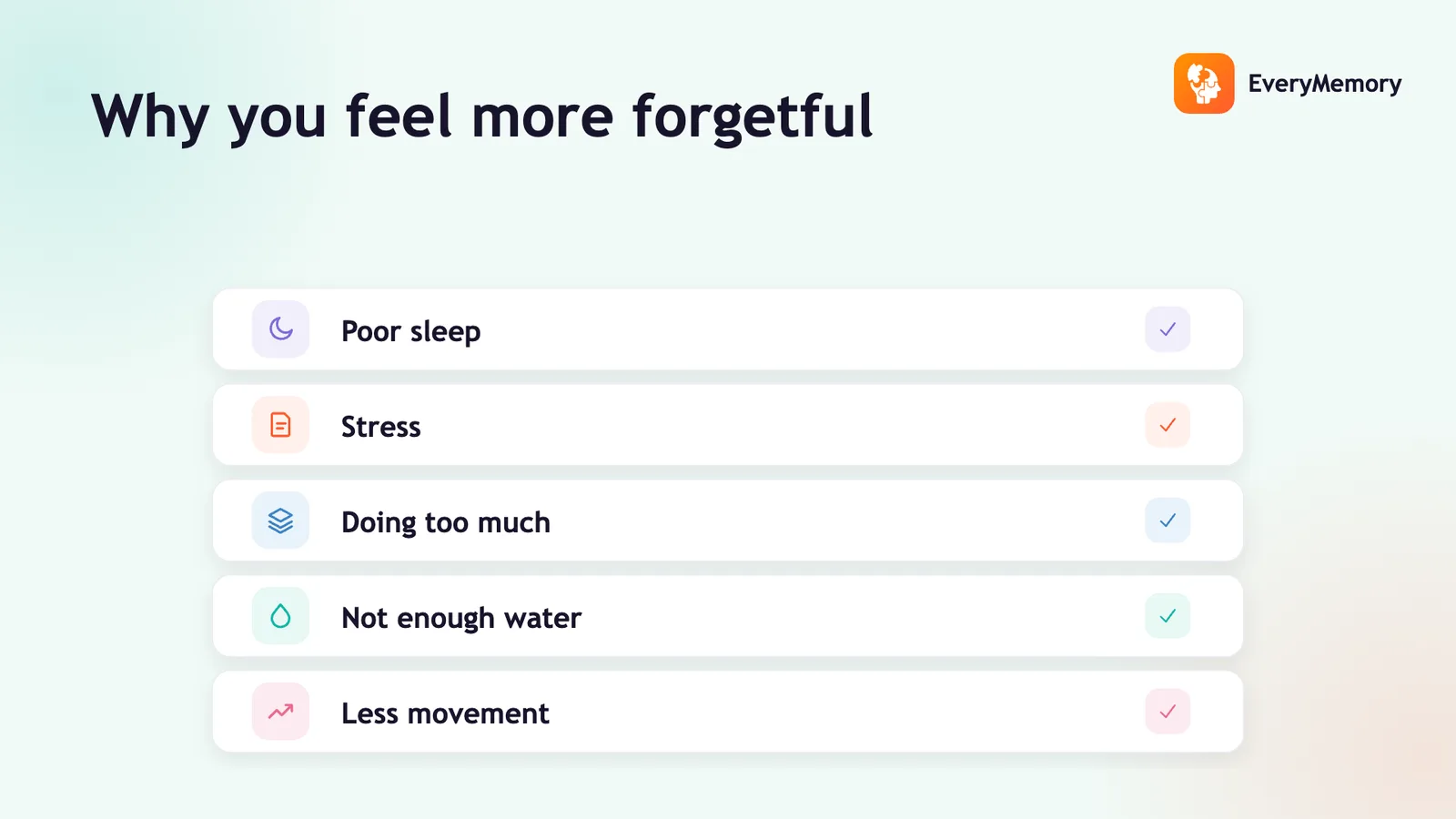
Everyday Reasons You Feel More Forgetful
Most everyday forgetfulness has an ordinary, changeable cause - poor sleep, stress, divided attention, or a disrupted routine. Here's a reassuring checklist to help you identify yours.
When Grief or Illness Makes You Forgetful
Big emotional events and physical illness often bring a temporary mental fog - forgetting where you put things, losing words mid-sentence, struggling to concentrate. Here's why it happens and how it often eases.
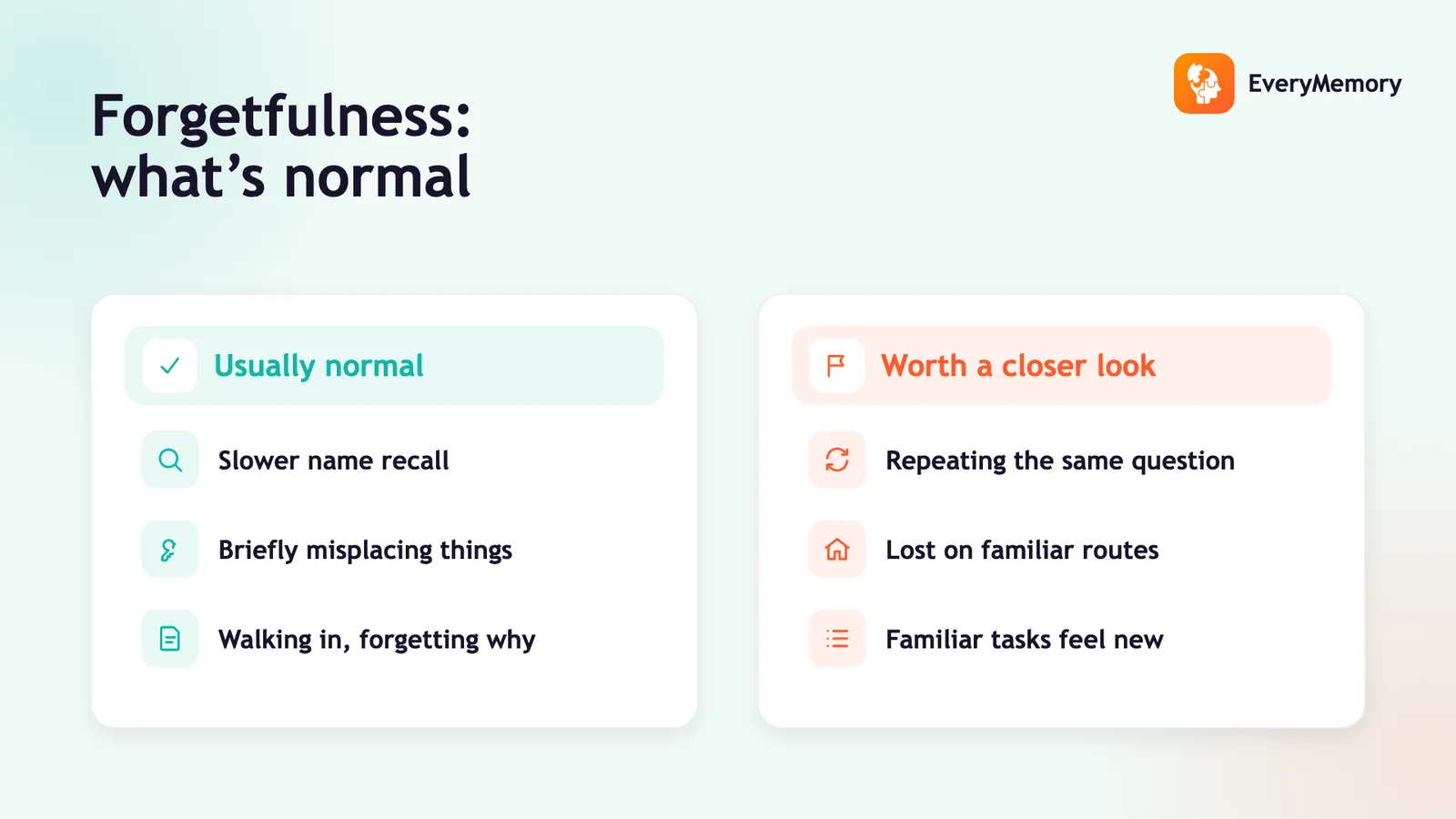
Understanding Memory Loss and Forgetfulness: A Calm, Reassuring Guide
Most everyday forgetfulness is normal - and explainable. A reassuring overview of what causes it, what changes with age, and when a professional's view is worth seeking.
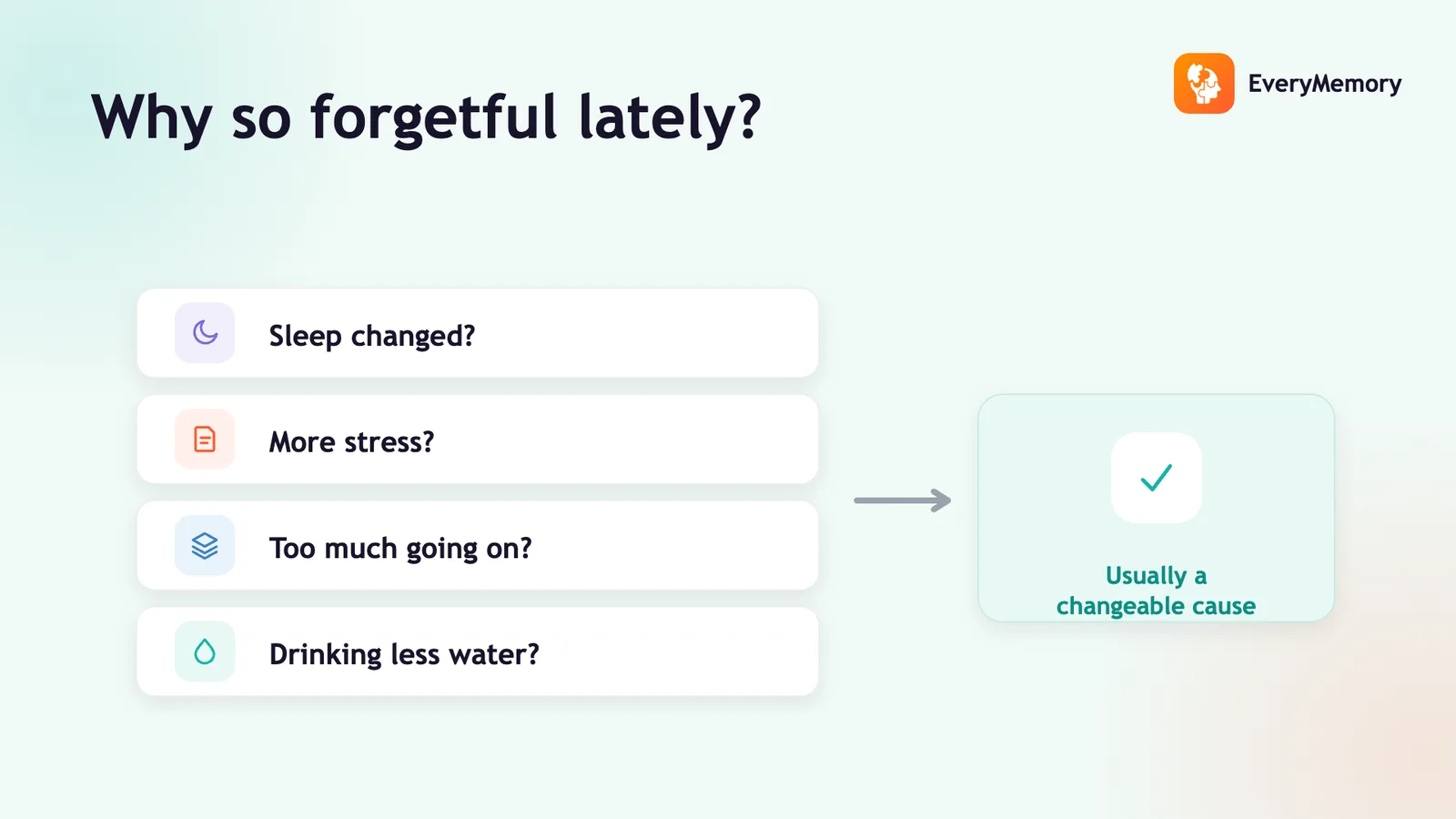
Why Am I So Forgetful Lately? Common Causes
If your memory has felt unreliable lately, the cause is most likely one of several very common, very changeable everyday factors - not something permanently wrong.
What Is a Senior Moment? A Reassuring Guide
Everyone has them - the lost name, the forgotten errand, the blank at the top of the stairs. Here's what a 'senior moment' actually is and why it happens at any age.
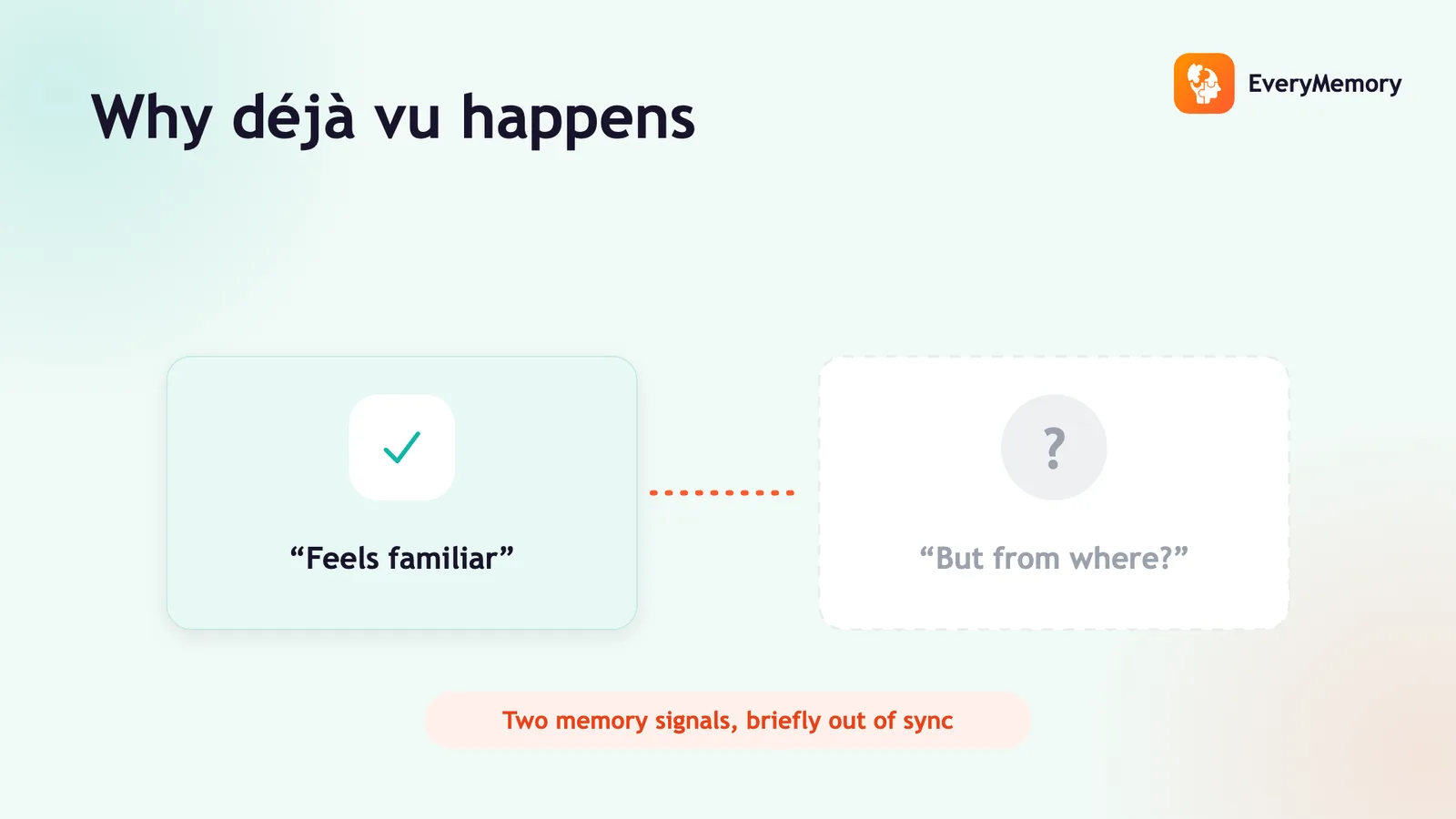
What Is Déjà Vu? A Memory Glitch Explained
That eerie 'I've been here before' feeling has a surprisingly tidy scientific explanation - and it says something reassuring about how your brain checks its own work.
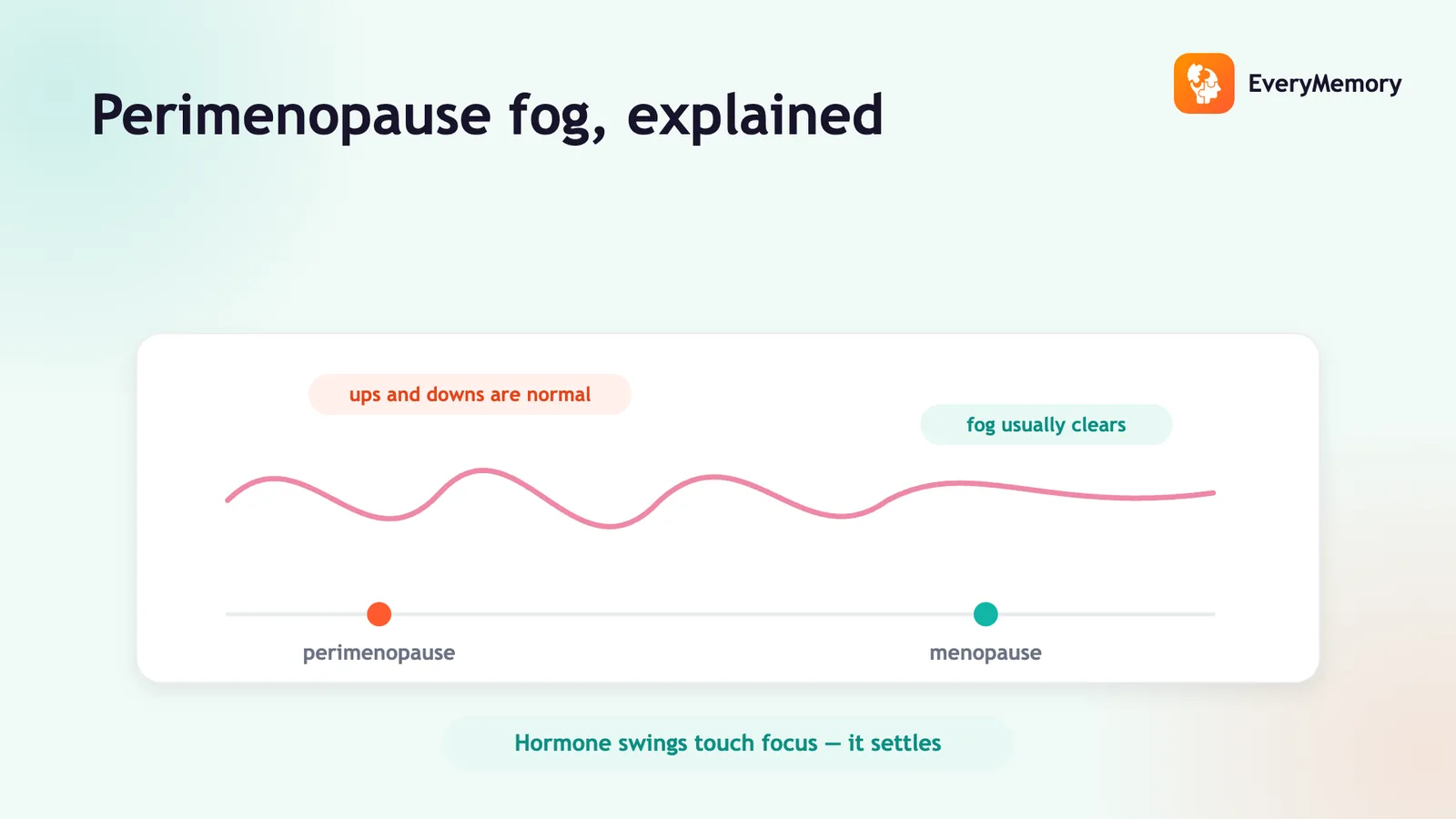
Perimenopause and Memory: What to Expect
Many women in their 40s and early 50s notice word-finding trouble, foggy focus, and unexpected forgetfulness - and perimenopause is one of the most commonly cited reasons why.
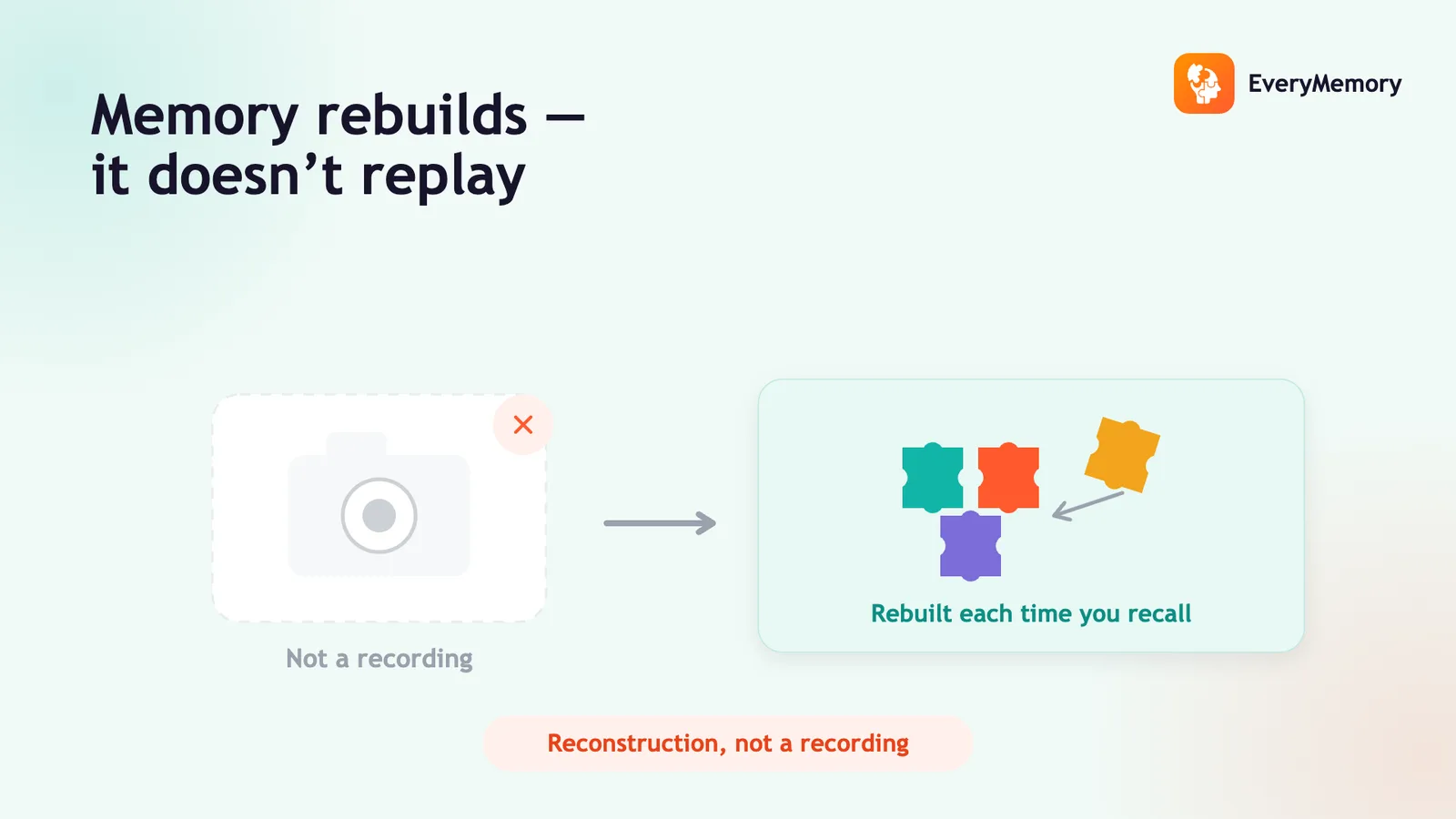
Why Your Memory Isn't a Video Recording
Memory reconstructs the past rather than replaying it - which is why two people recall the same event differently, details shift over time, and a vivid memory can still be imperfect.

Why Do I Forget Things So Quickly?
Forgetting something seconds after hearing it usually means it was never stored - not that your memory is failing. Here's why it happens and how to make things stick.
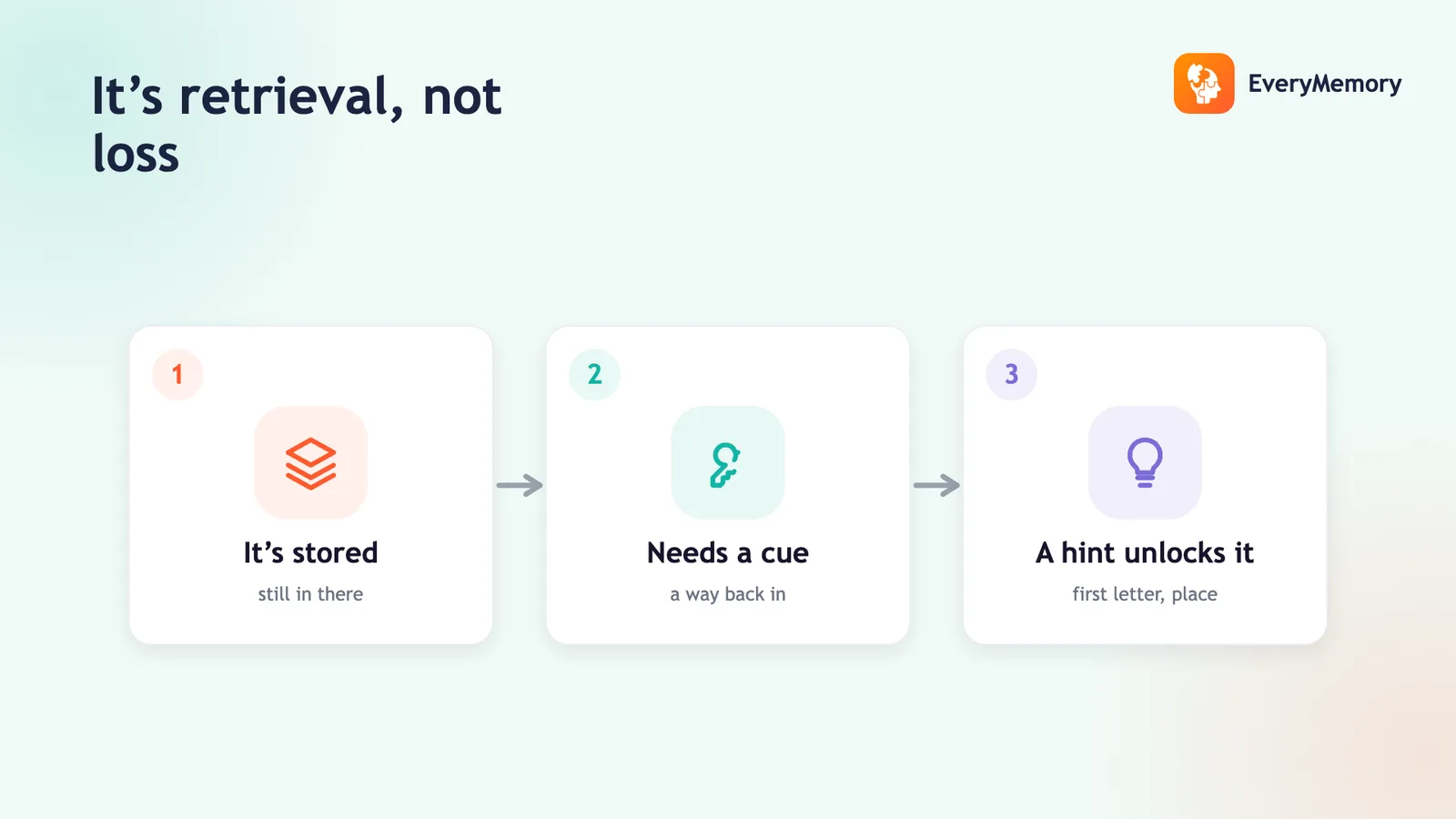
Forgetting Names and Words: Why It Happens
Blanking on a name or losing a word mid-sentence is usually retrieval, not memory loss. Why both slip, and the different fixes each one needs.
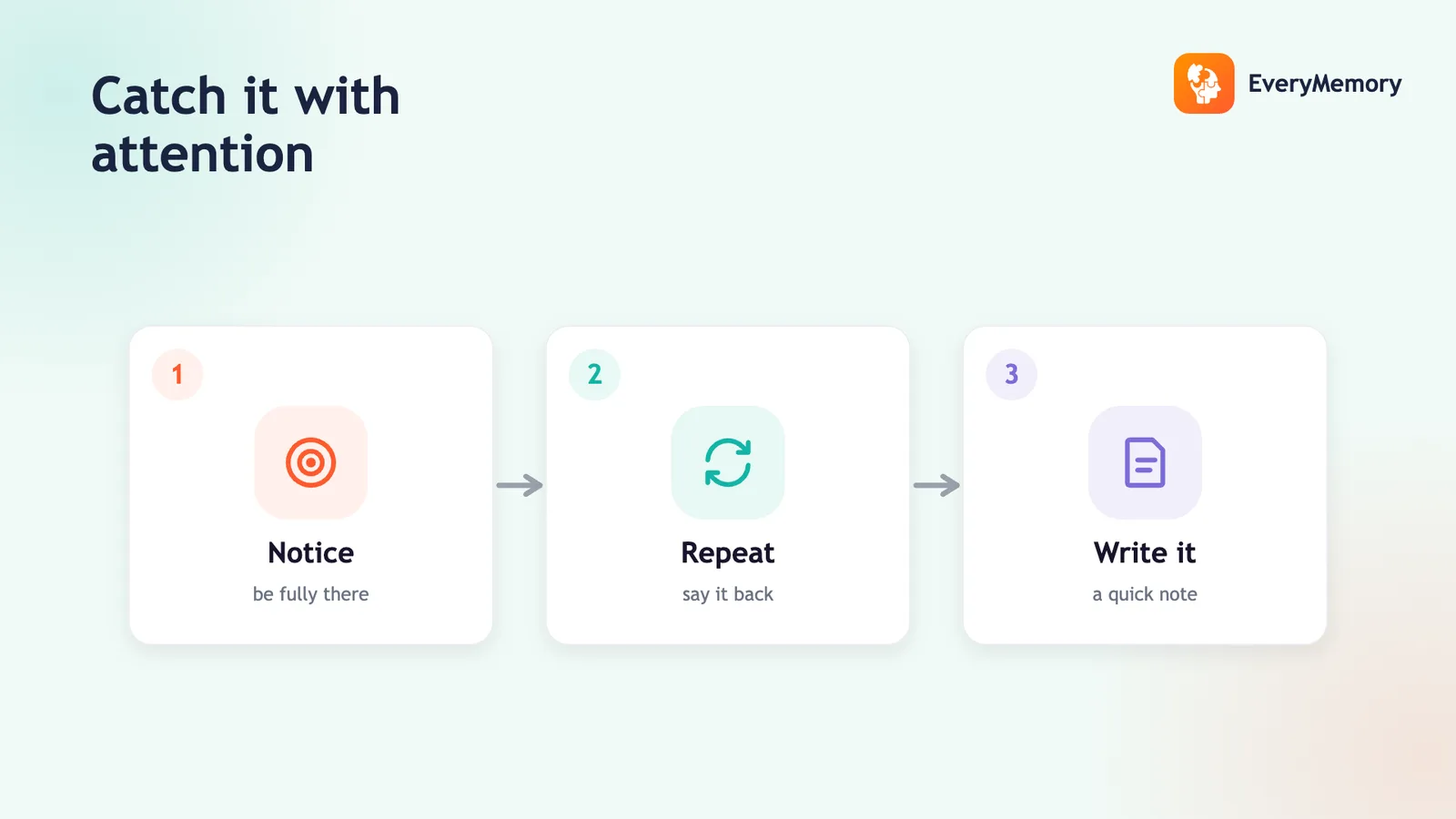
How to Stop Forgetting Things
You can't stop forgetting entirely - but most everyday forgetting is avoidable, because it's an attention problem, not a memory one. The fixes that actually work.
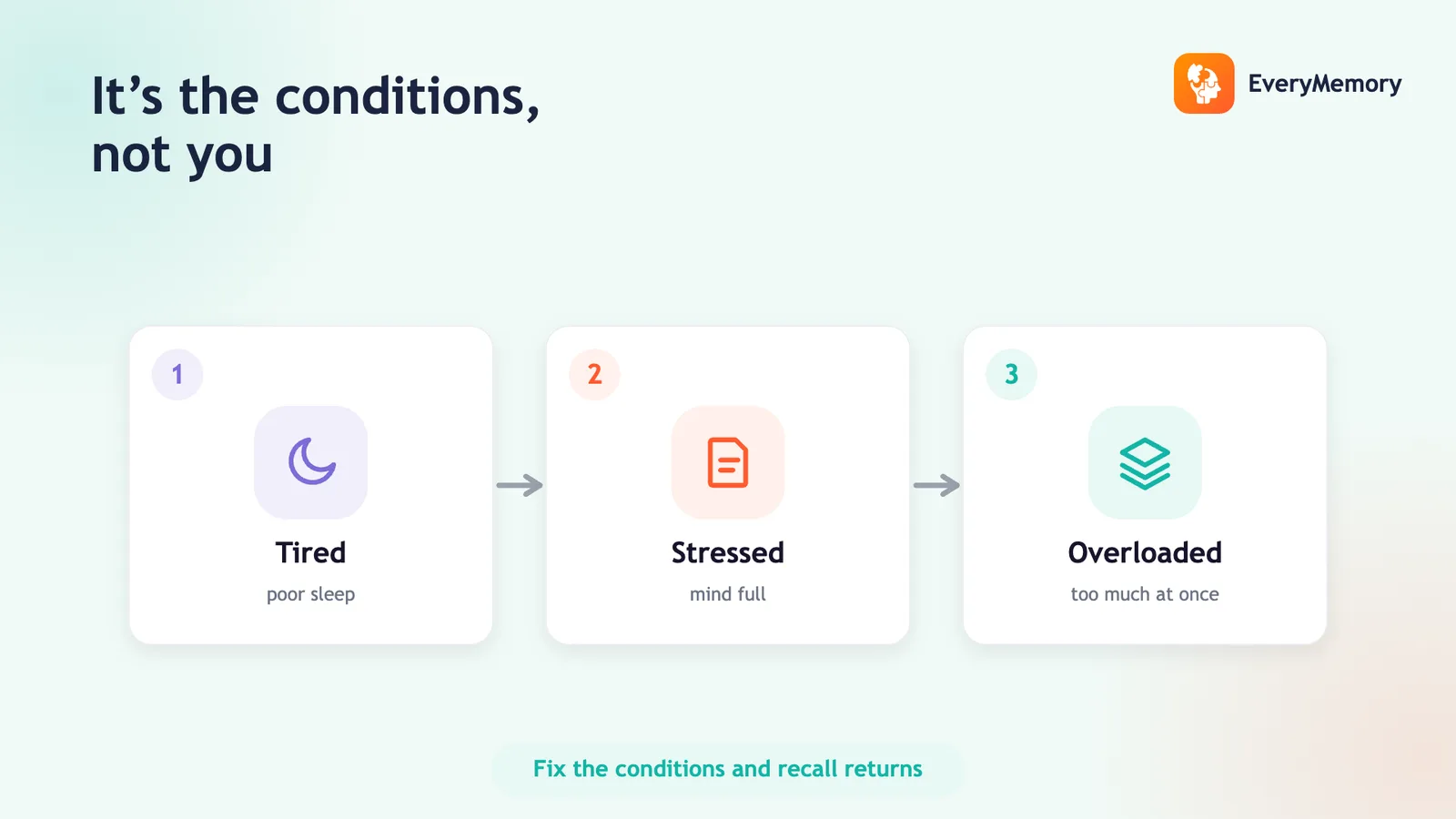
Why Is My Memory Getting Worse?
If your memory feels worse lately, the cause is usually the conditions around it - not your memory itself. The common, fixable reasons, and when it's worth checking.
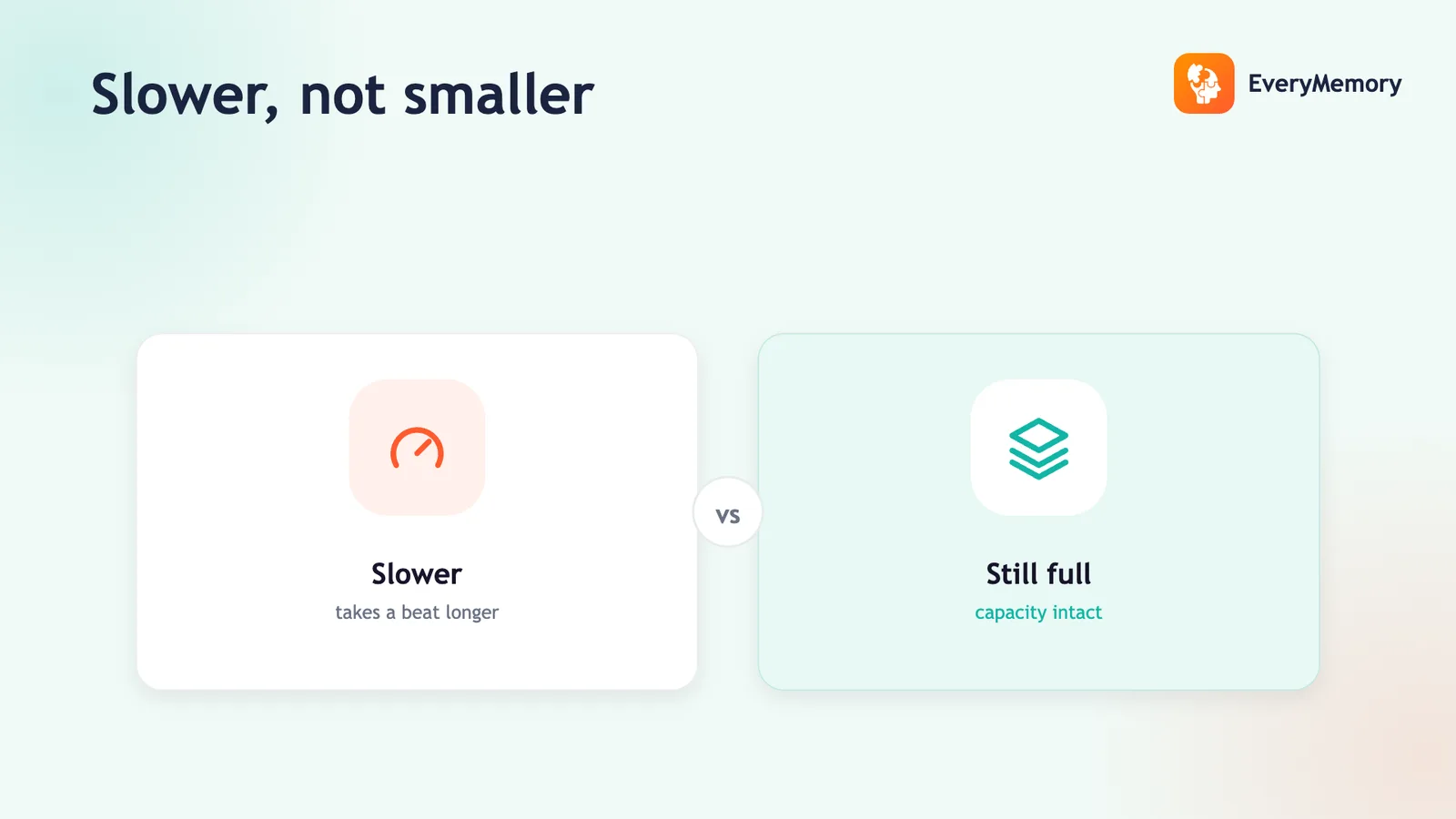
How Does Memory Change With Age?
With age, memory changes mostly in speed, not capacity - and some kinds get stronger. What actually changes, what stays, and why it's usually nothing to worry about.

How to Improve Your Memory After 60
The brain keeps forming new connections at any age. The handful of things that matter most for memory after 60 - and the techniques that offset slower recall.
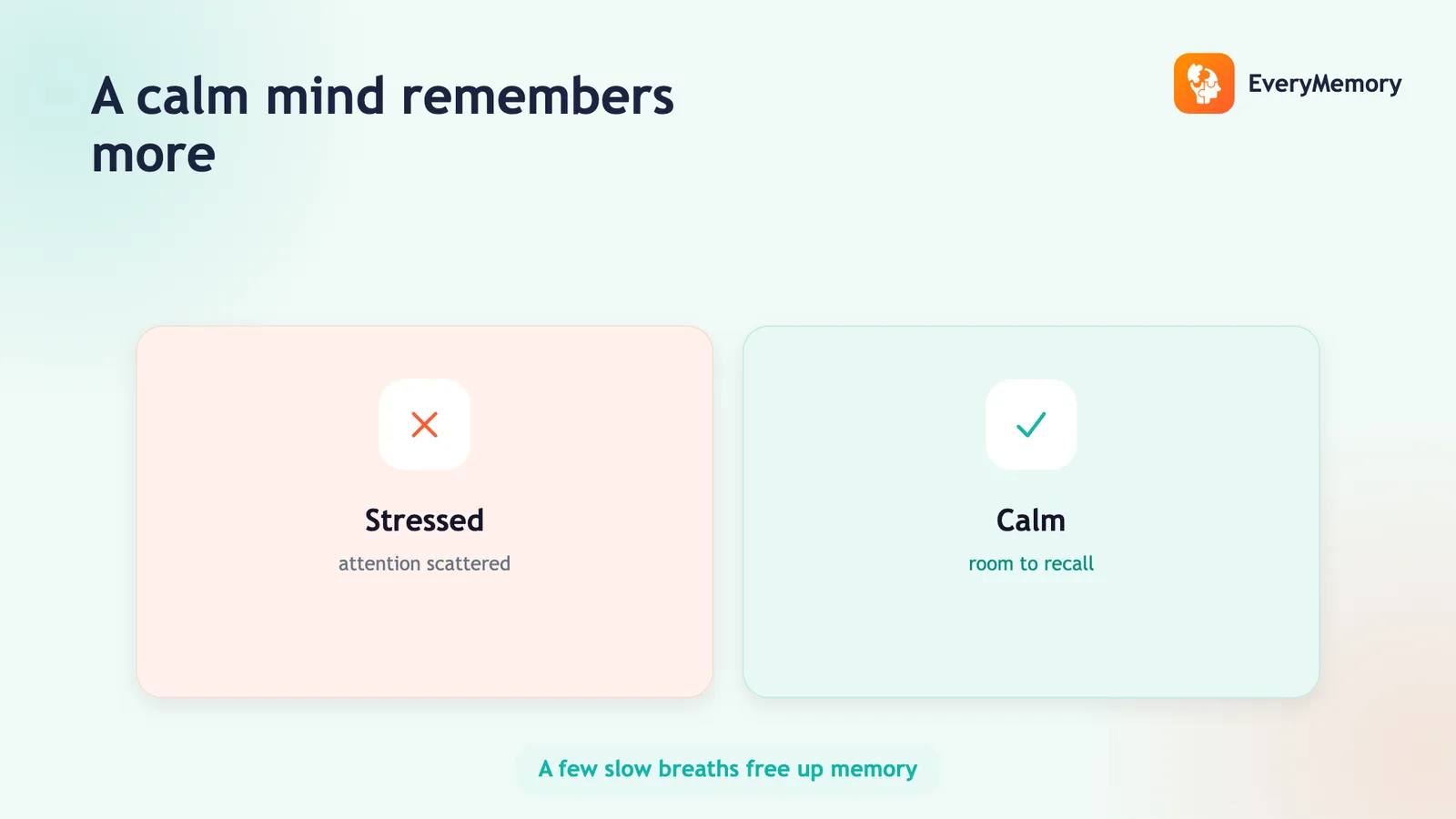
Does Stress Cause Forgetfulness?
Yes - stress is one of the most common everyday causes of forgetfulness. Why a busy, worried mind forgets more, and what actually helps.
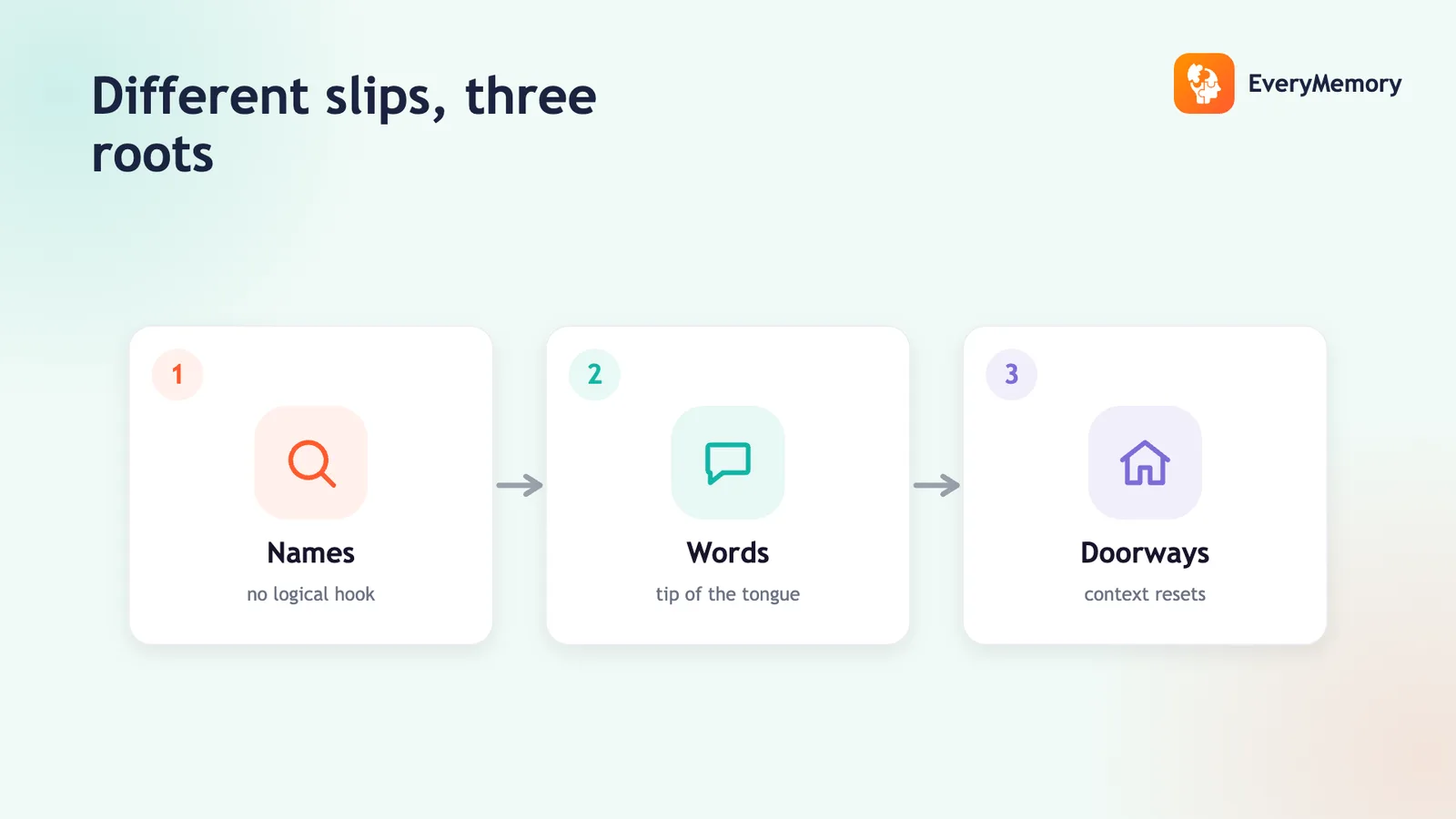
Why Do I Forget? The Everyday Causes Explained
Names, words, why you entered a room, where you put things - different slips, three shared roots. The plain explanation, and the fix for each.
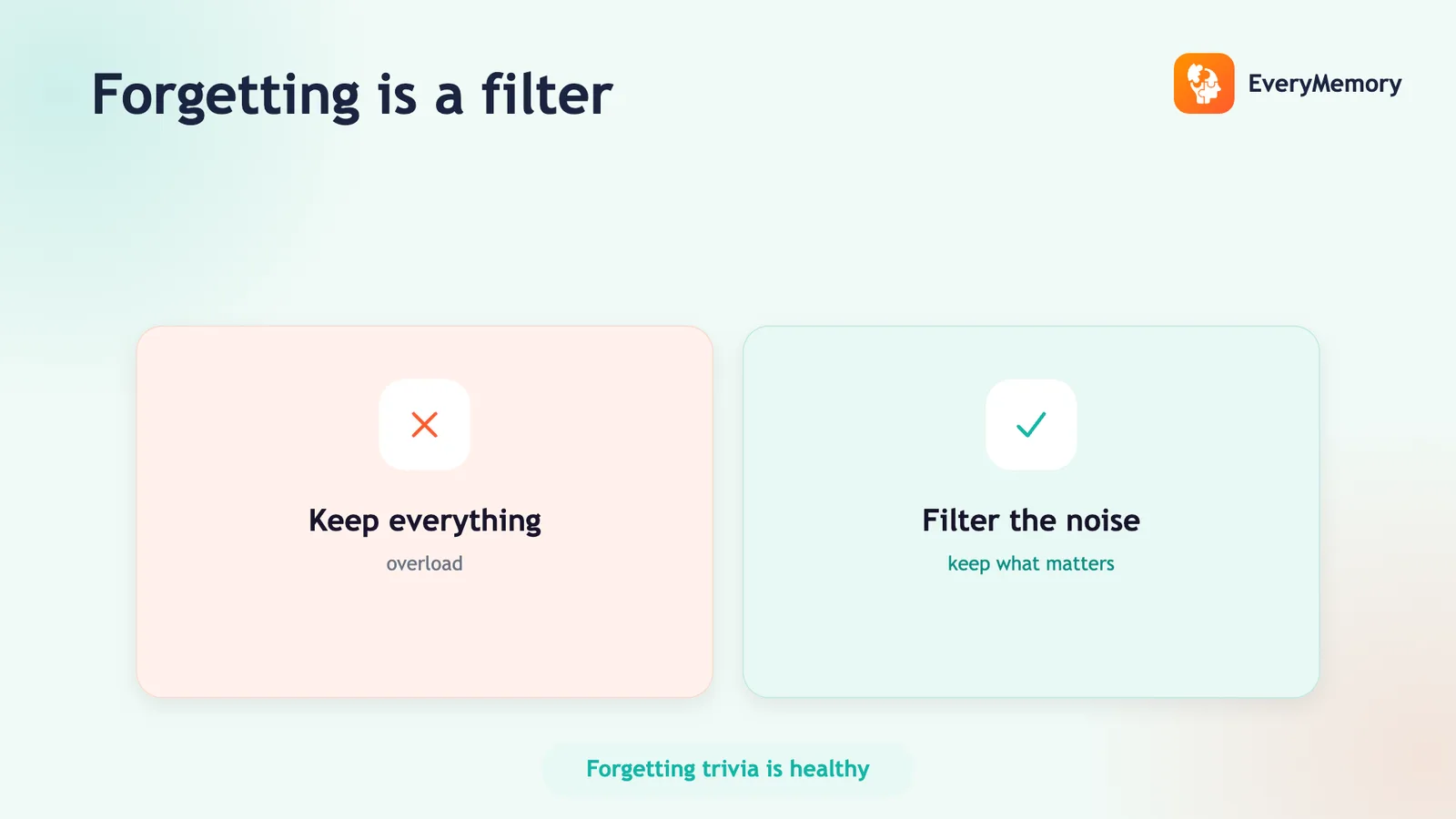
Is It Normal to Be Forgetful?
Everyday forgetfulness is normal at every age - it's how memory filters and prioritises. What's ordinary, what makes it worse, and where the line is.

Does Multitasking Affect Your Memory?
Yes - multitasking is one of the most common reasons things slip your memory, because what you don't attend to in the moment never gets stored. Why it happens, and the fix.
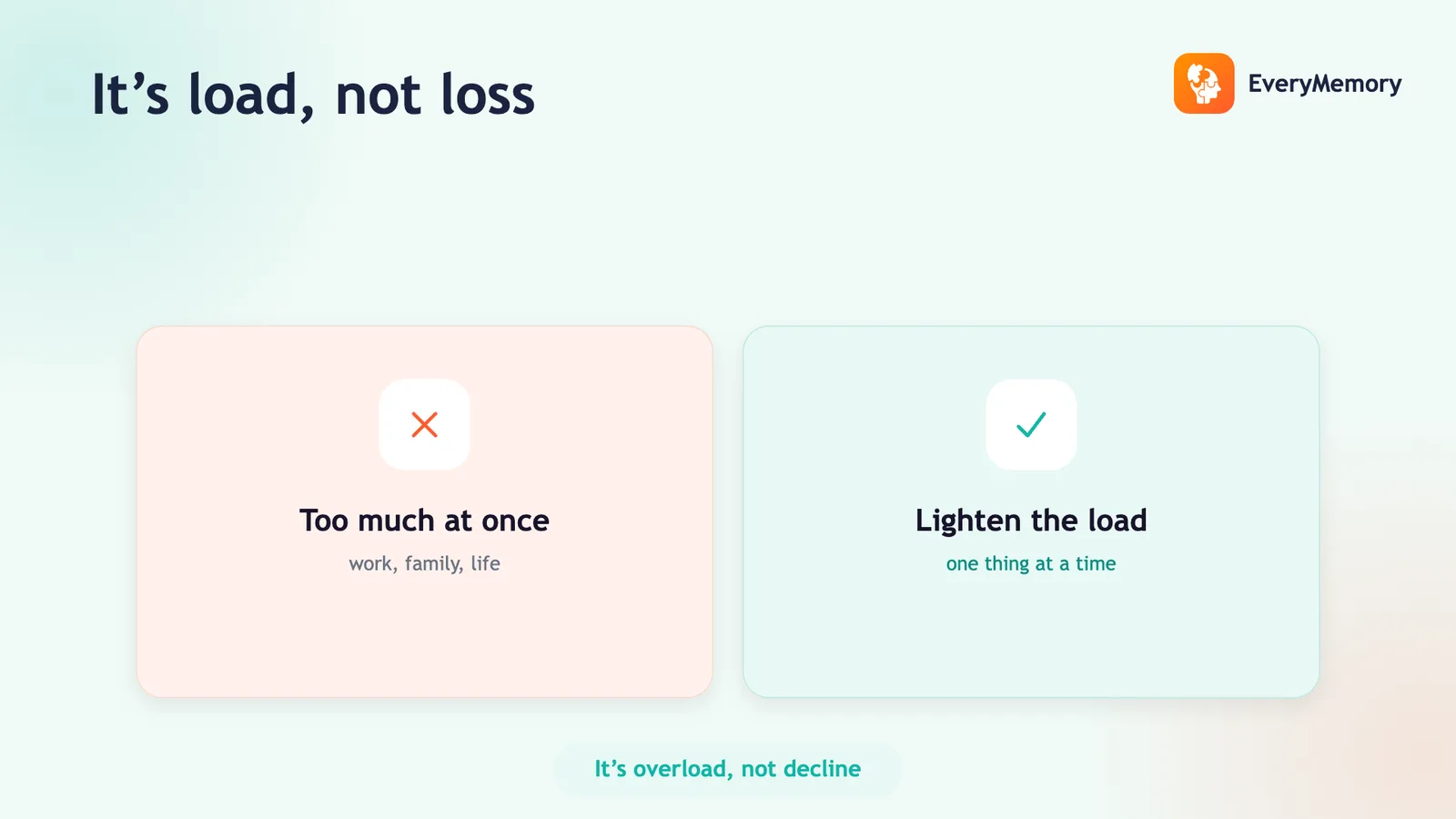
Forgetfulness in Your 40s and 50s: What's Going On?
Feeling more forgetful in midlife is common and usually about load, not loss. Why this stage feels forgetful, and what genuinely helps.
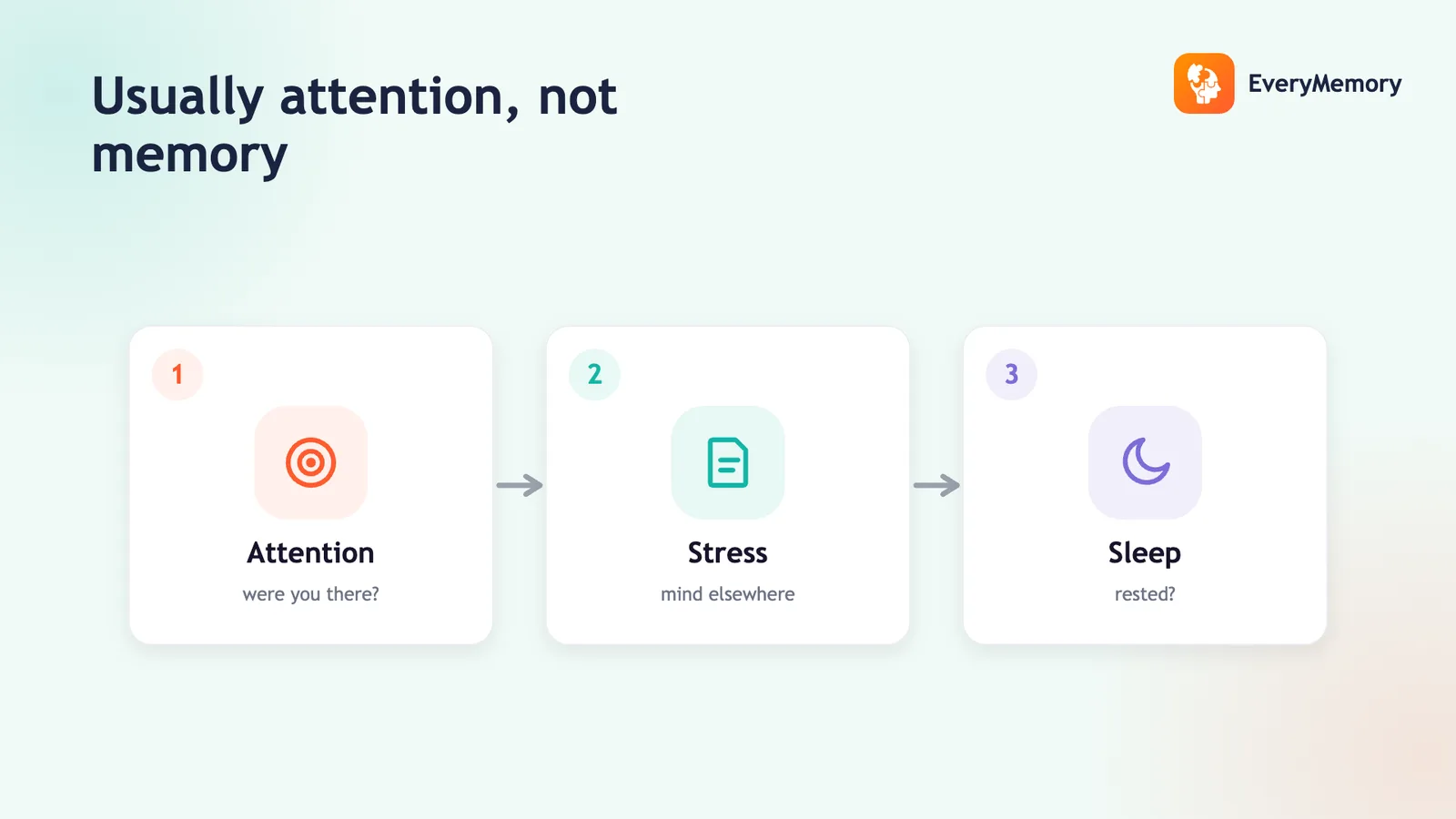
Memory Issues: Common Causes and What Helps
Most everyday memory issues are about attention, stress, and sleep - not failing memory. The common causes, what helps, and when they're worth checking.
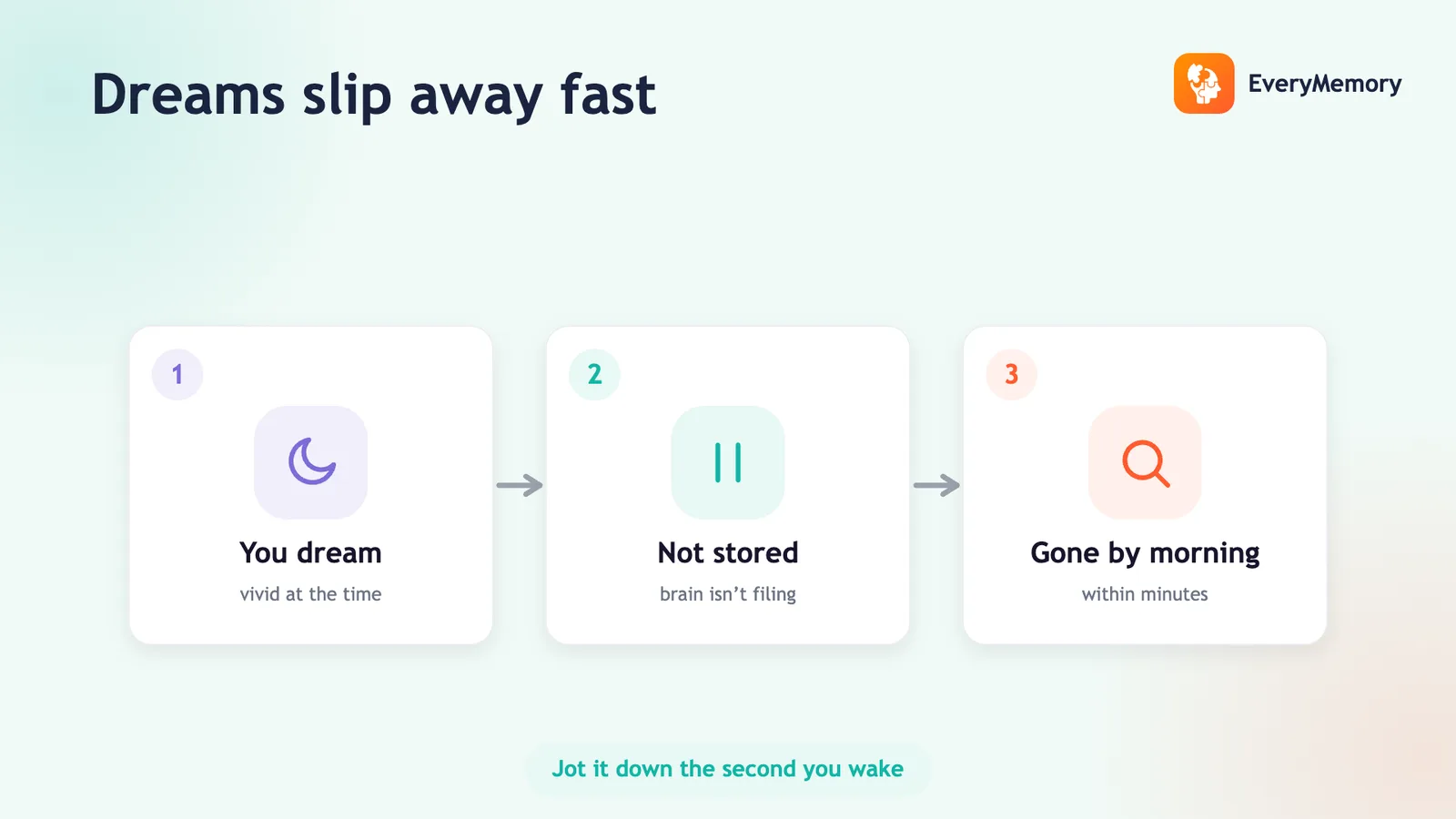
Why Do We Forget Our Dreams?
Dreams vanish within minutes because the sleeping brain isn't set up to store them. Why it happens, why some dreams stick, and how to remember more of them.
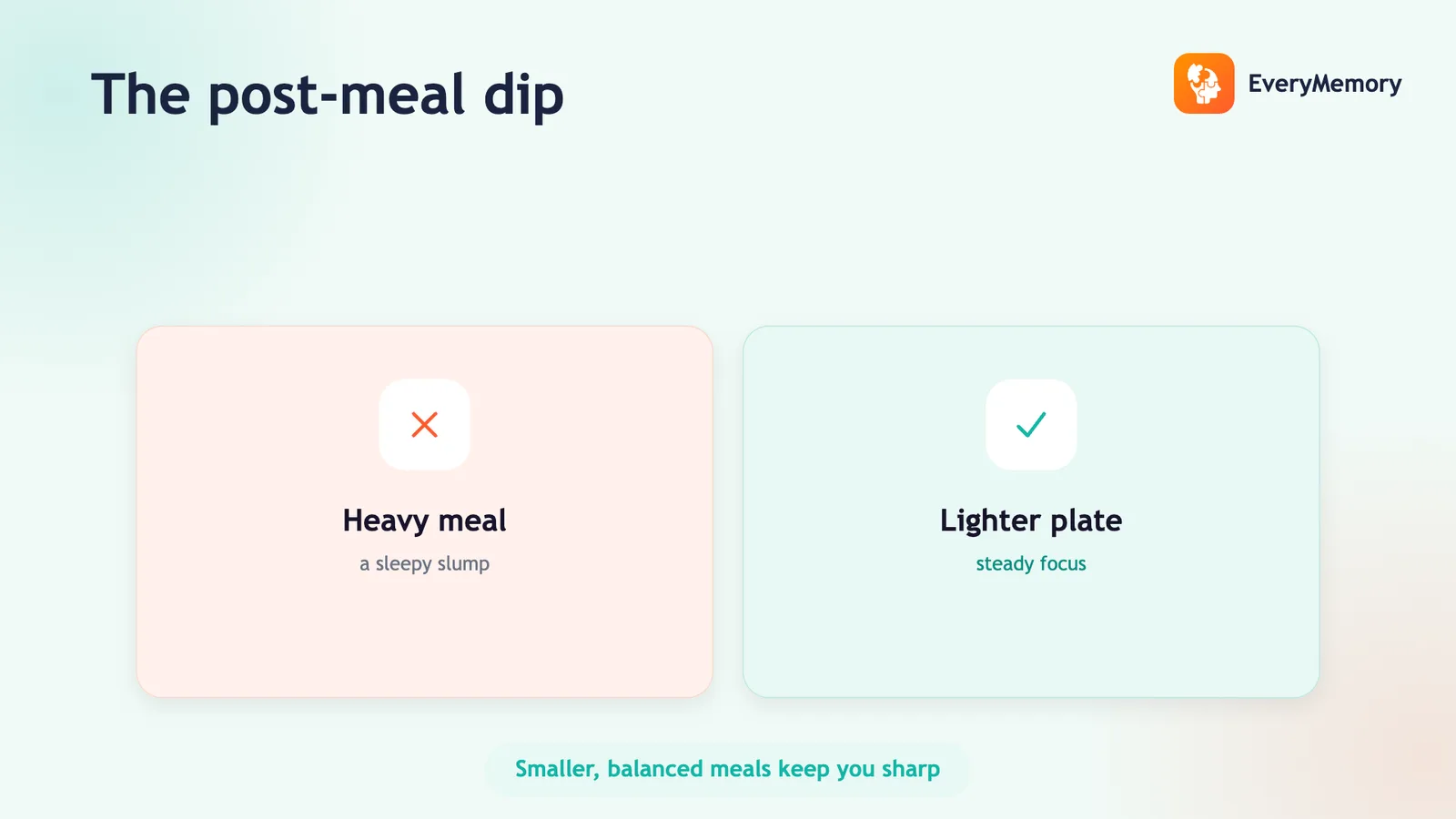
Brain Fog After Eating: Why It Happens
Feeling foggy or sleepy after a meal is common and usually harmless. Why it happens, which meals make it worse, and simple things that reduce it.
Information Overload: Why You Forget When There's Too Much
Forgetting names, losing your train of thought, re-reading the same sentence three times - these are not signs of a failing memory. They are signs of an overloaded one. Here is what is happening and how to fix it.

Why You Feel Foggy When You're Unwell
Struggling to think straight when you have a cold or flu? That mental slowness is extremely common, usually temporary, and has a clear explanation. Here is what is happening and how to be gentle on your brain while you recover.
Build your personal memory routine
Take a short non-medical quiz and get a simple plan with daily memory exercises.
Take Memory Quiz