 EveryMemory
Brain Health Basics
Lifestyle topics connected to memory, focus, sleep, stress, and activity.
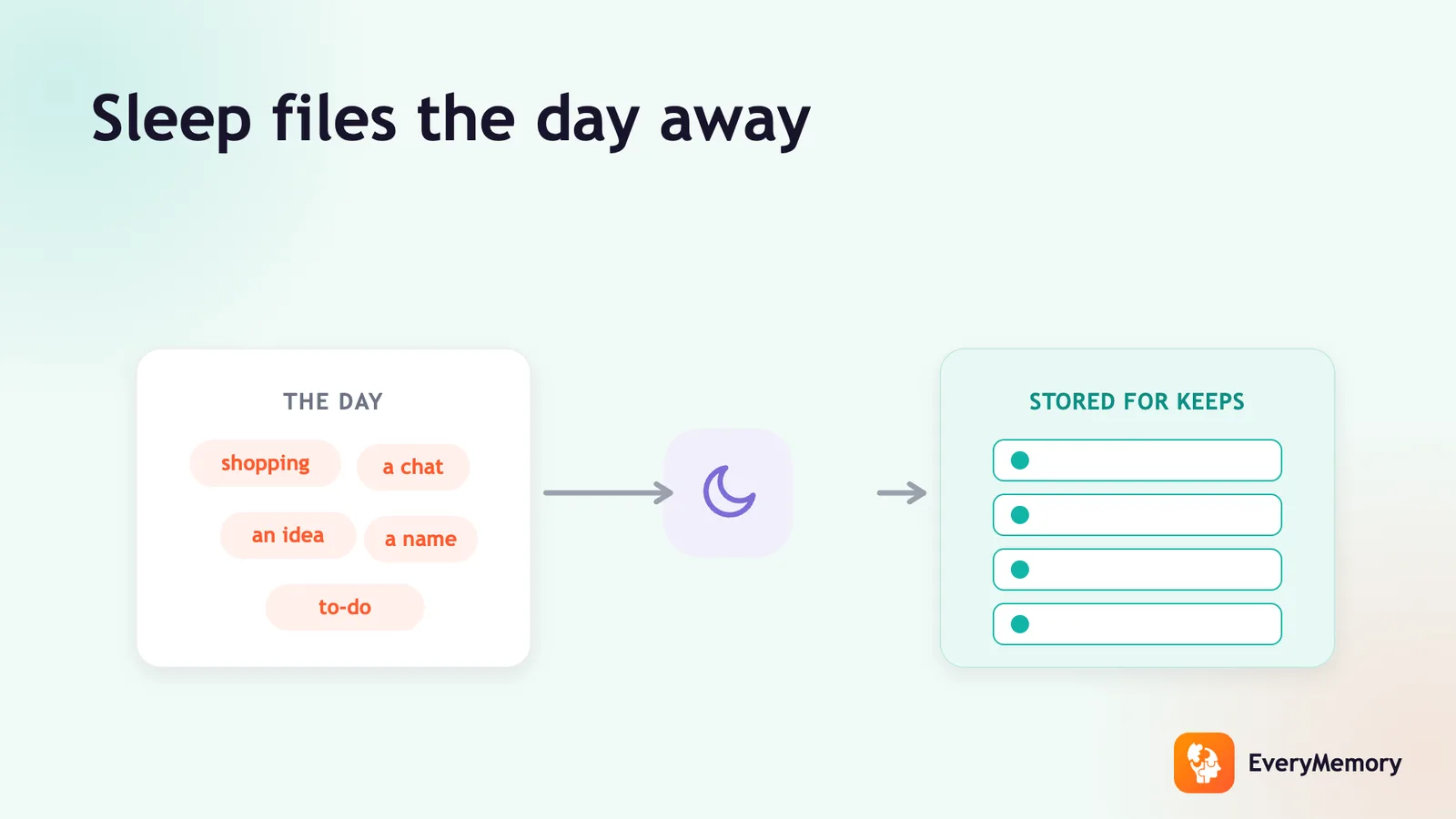
Sleep and Memory: What's the Connection?
Sleep is when your brain does most of its memory work - and even mild, regular sleep loss can make recall noticeably worse.
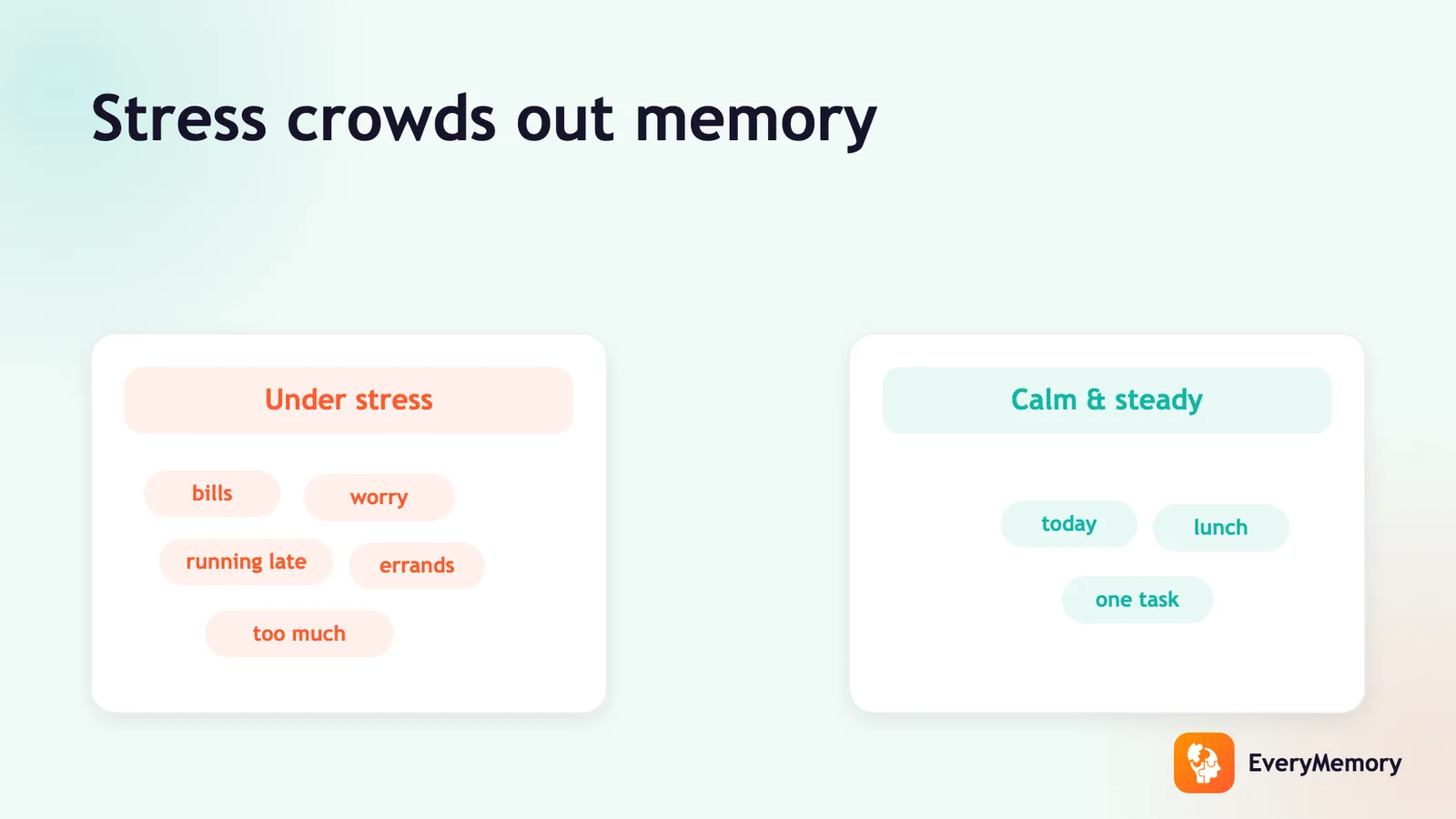
Can Stress Make You More Forgetful?
Stress is one of the most common and overlooked causes of forgetfulness - and understanding the link gives you a practical way to do something about it.
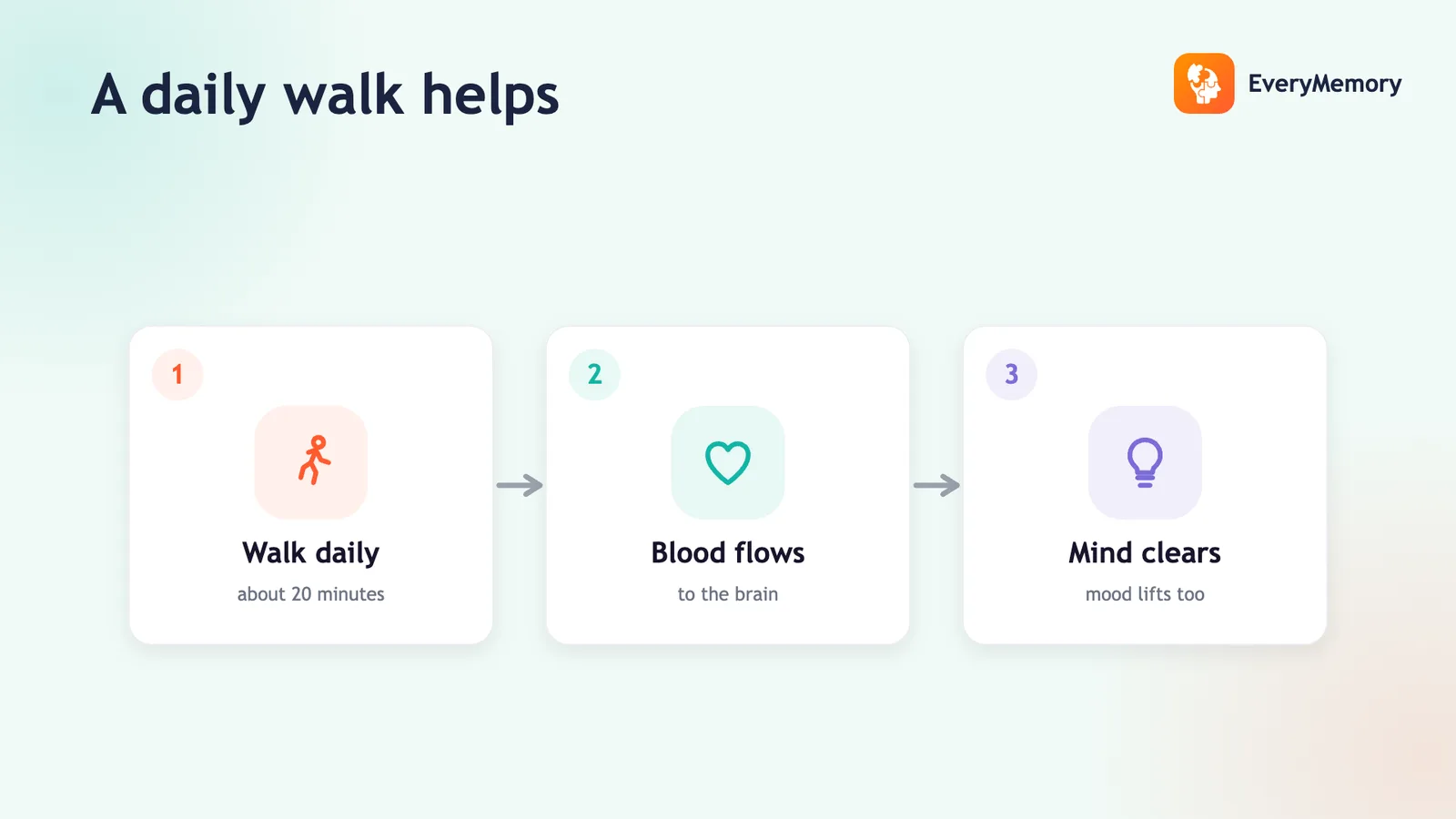
Walking and Brain Health
A daily walk is one of the simplest habits linked with sharper recall and better focus in older adults - here's what the research suggests and how to get started.

Social Activity and Memory
Staying socially connected is one of the most consistently cited factors in healthy cognitive aging - here's what that means in practice for adults 55 and older.
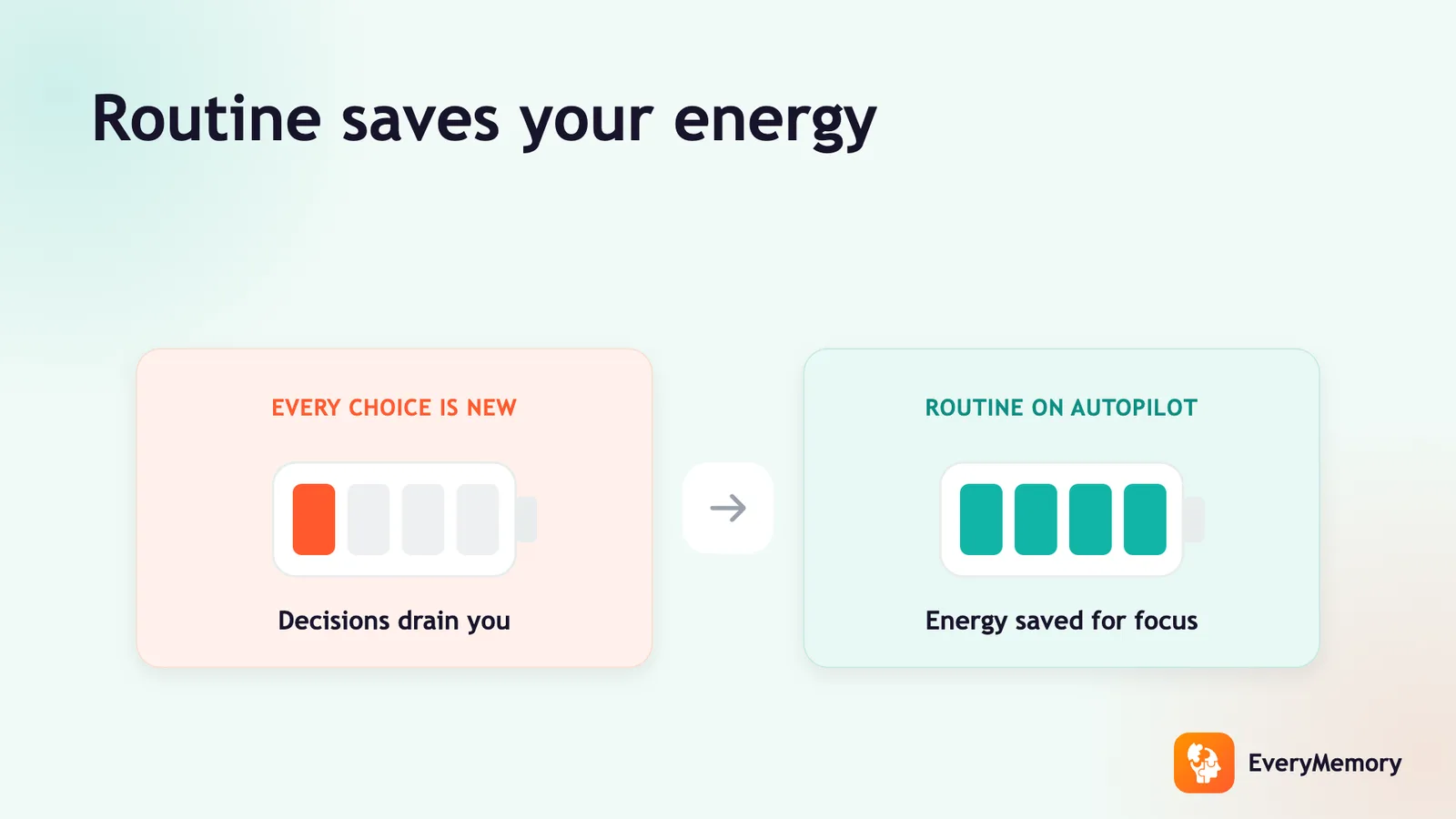
Why Routine Matters for Focus
A predictable daily structure reduces the mental load of decision-making, freeing up attention for the things that actually matter. Here's how to build one that works.
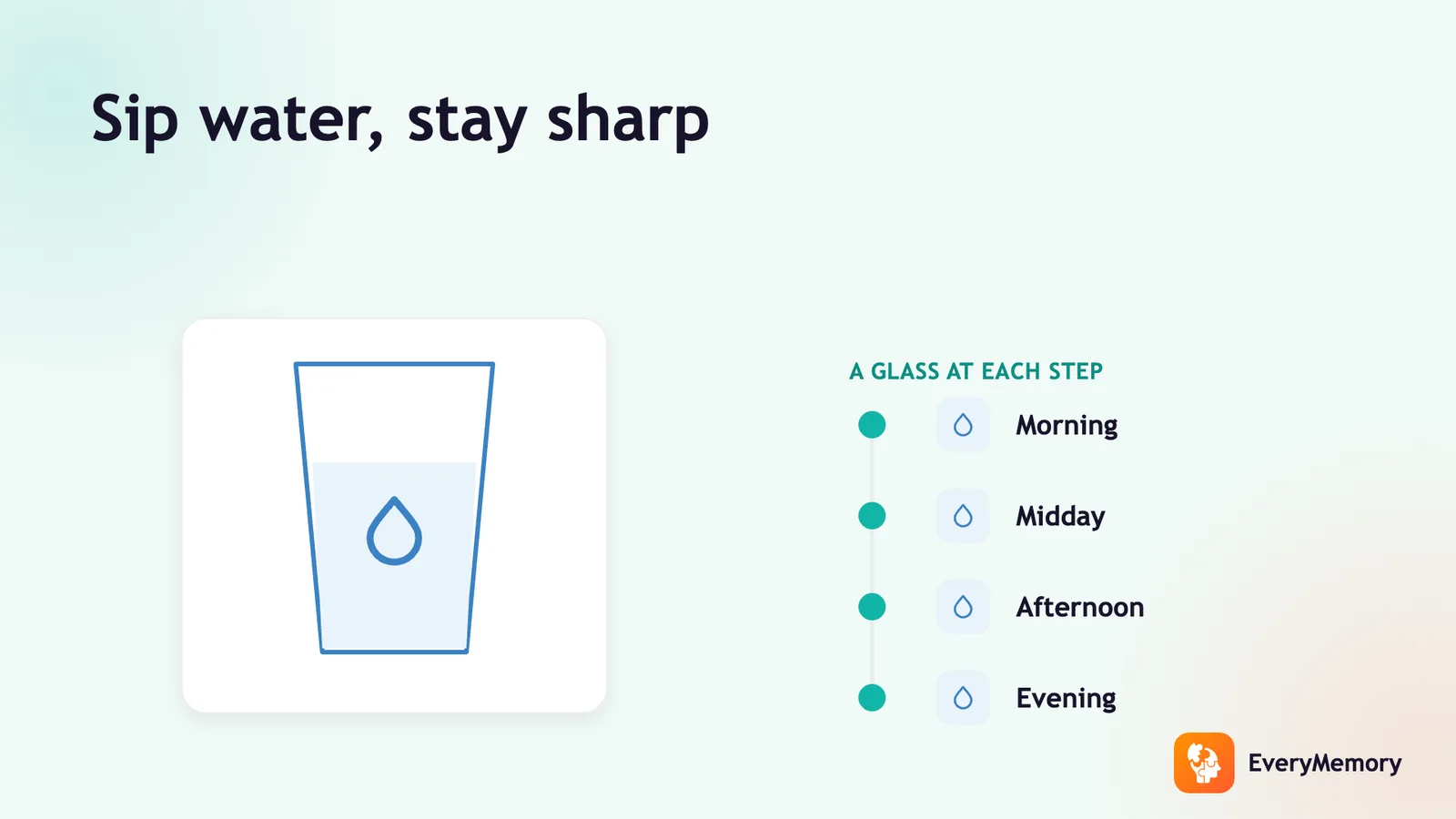
Hydration and Focus in Older Adults
Even mild dehydration can noticeably affect concentration, recall, and mood - and older adults are more vulnerable to it. Here's what to know and how to stay on top of it.
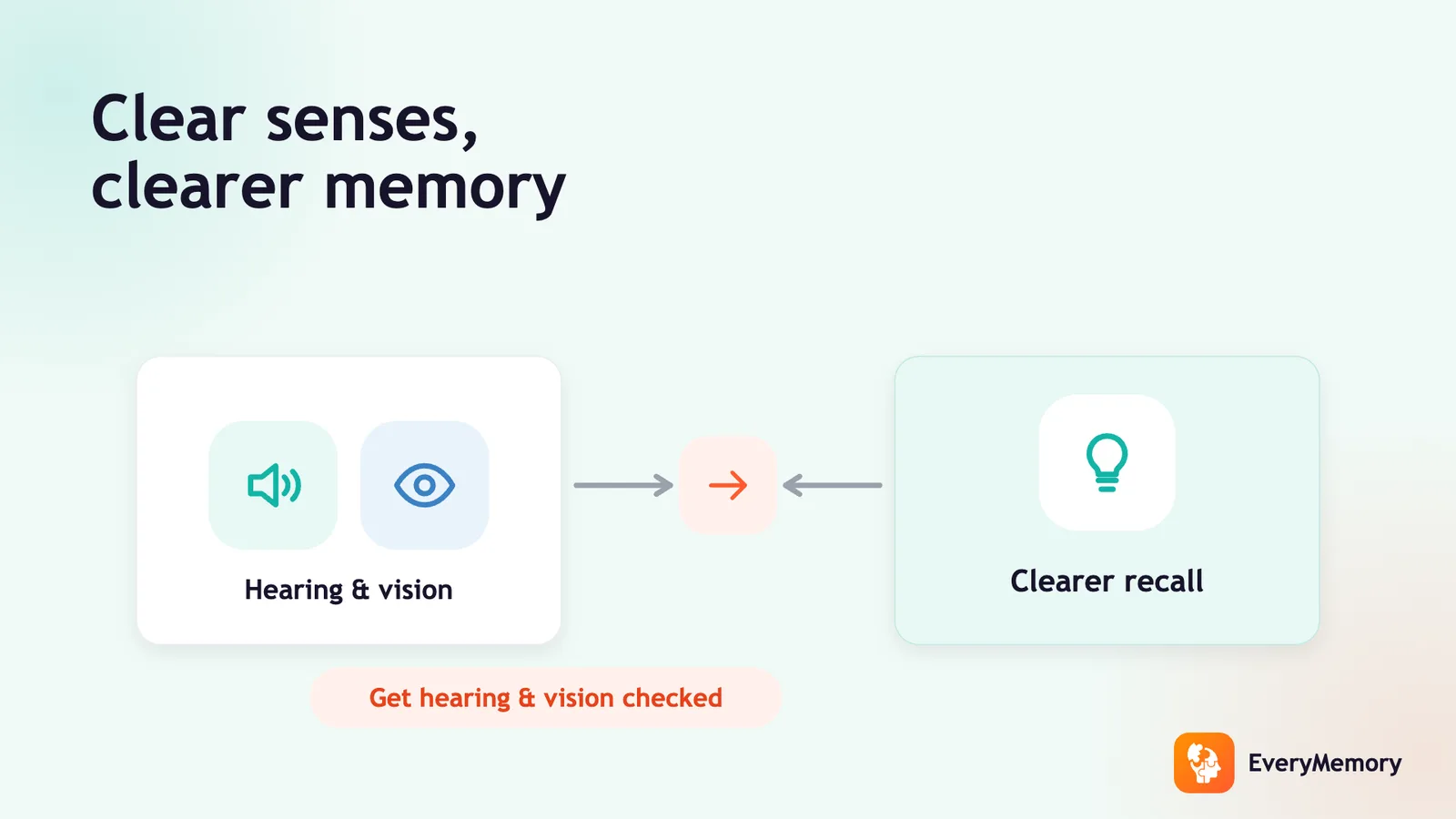
Hearing, Vision and Memory: Why They Matter
Uncorrected hearing or vision problems can look a lot like forgetfulness - and addressing them is one of the most straightforward ways to support sharper recall after 60.

Do Brain Games Really Work? An Honest Look
Brain games are popular, but the evidence is more modest than the marketing. Here's an honest look at what they do, what they don't, and why that's still worth knowing.
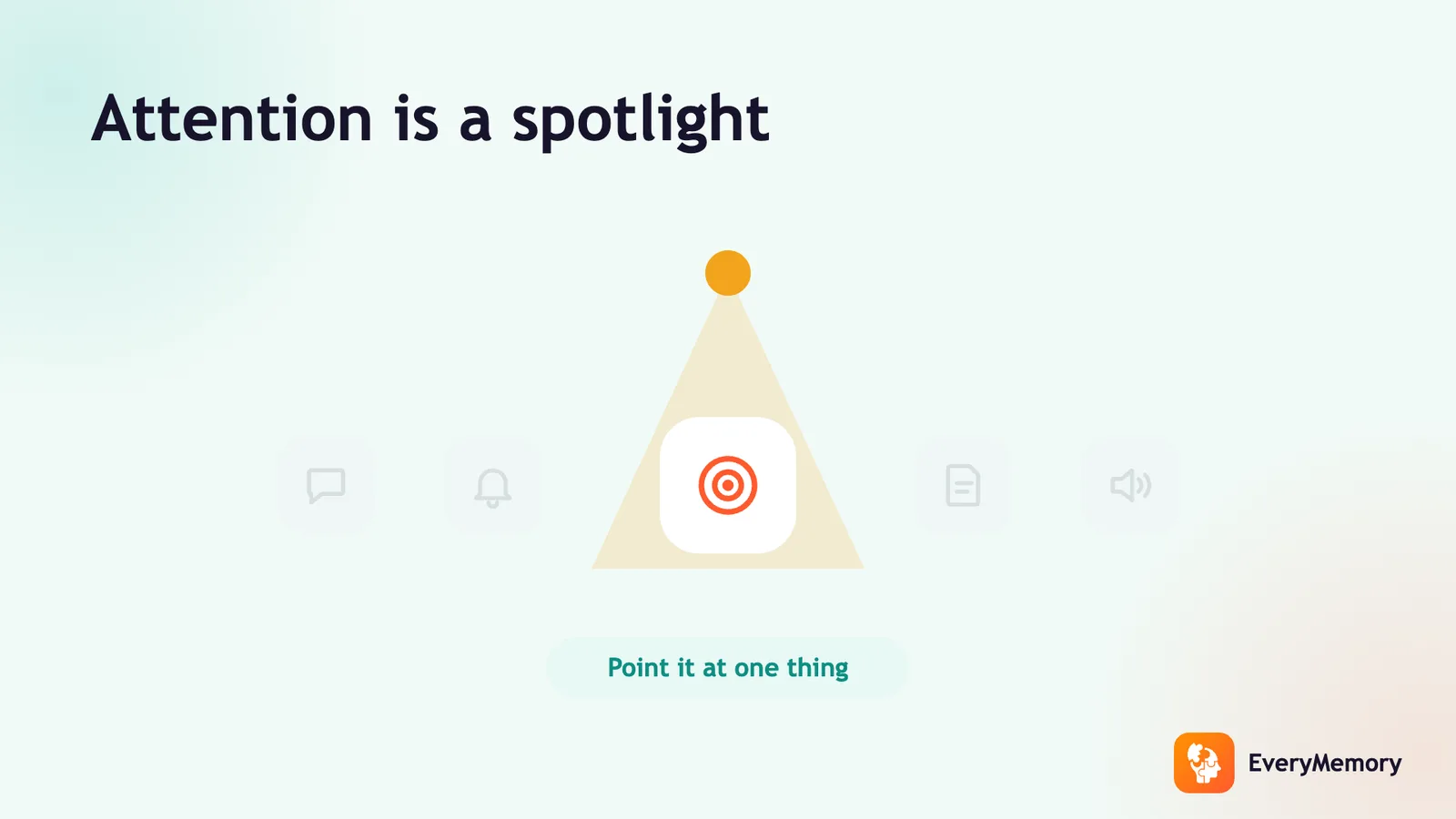
How Attention Works (and Why It Matters for Memory)
Attention is the gatekeeper of memory. Understand how your brain filters the world - and why you can't remember what you never truly noticed.
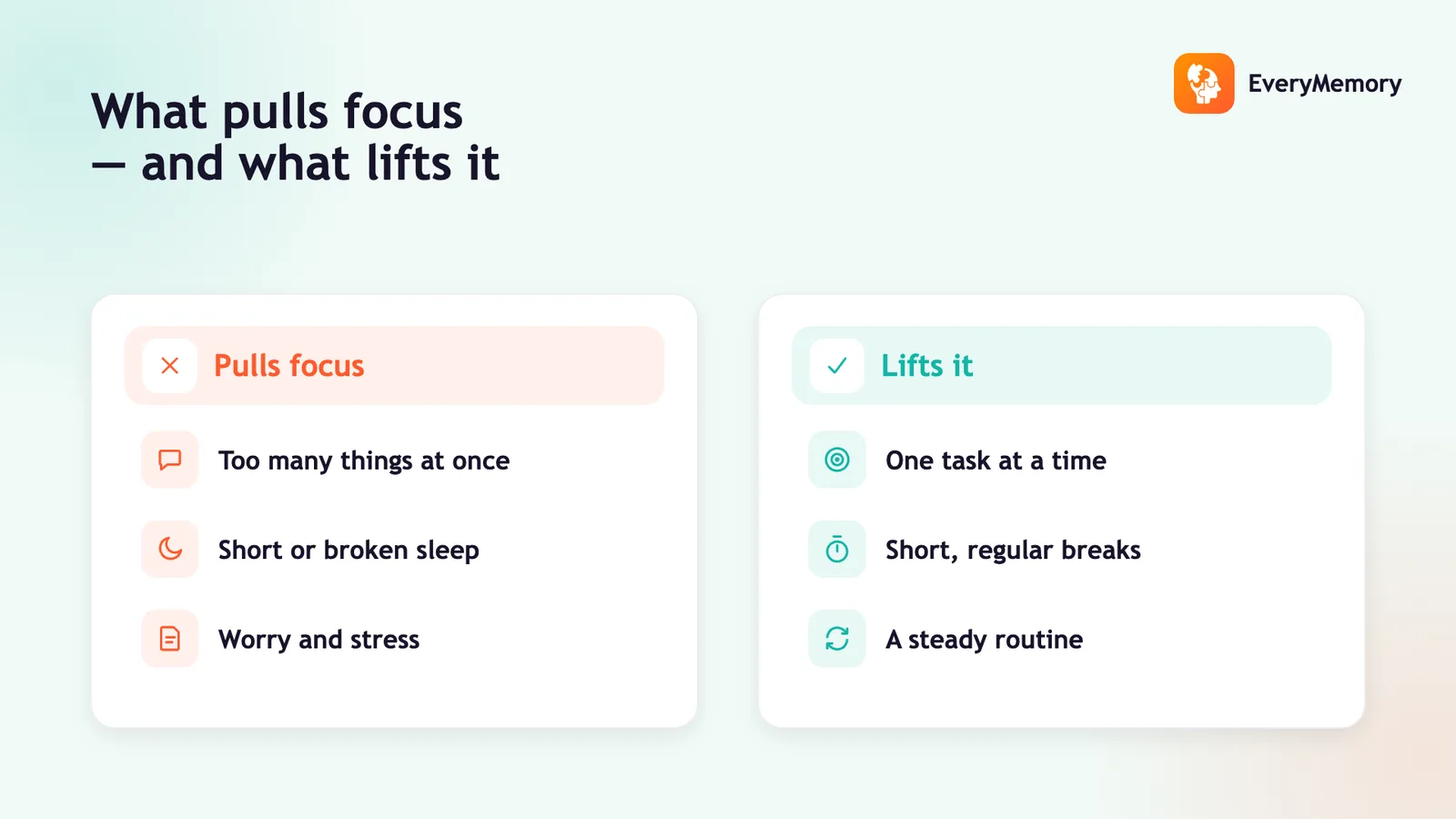
Why Focus Fades With Age - and How to Support It
Concentration does shift as we get older - but the reasons are more manageable than most people assume. Here's what's actually happening and what genuinely helps.
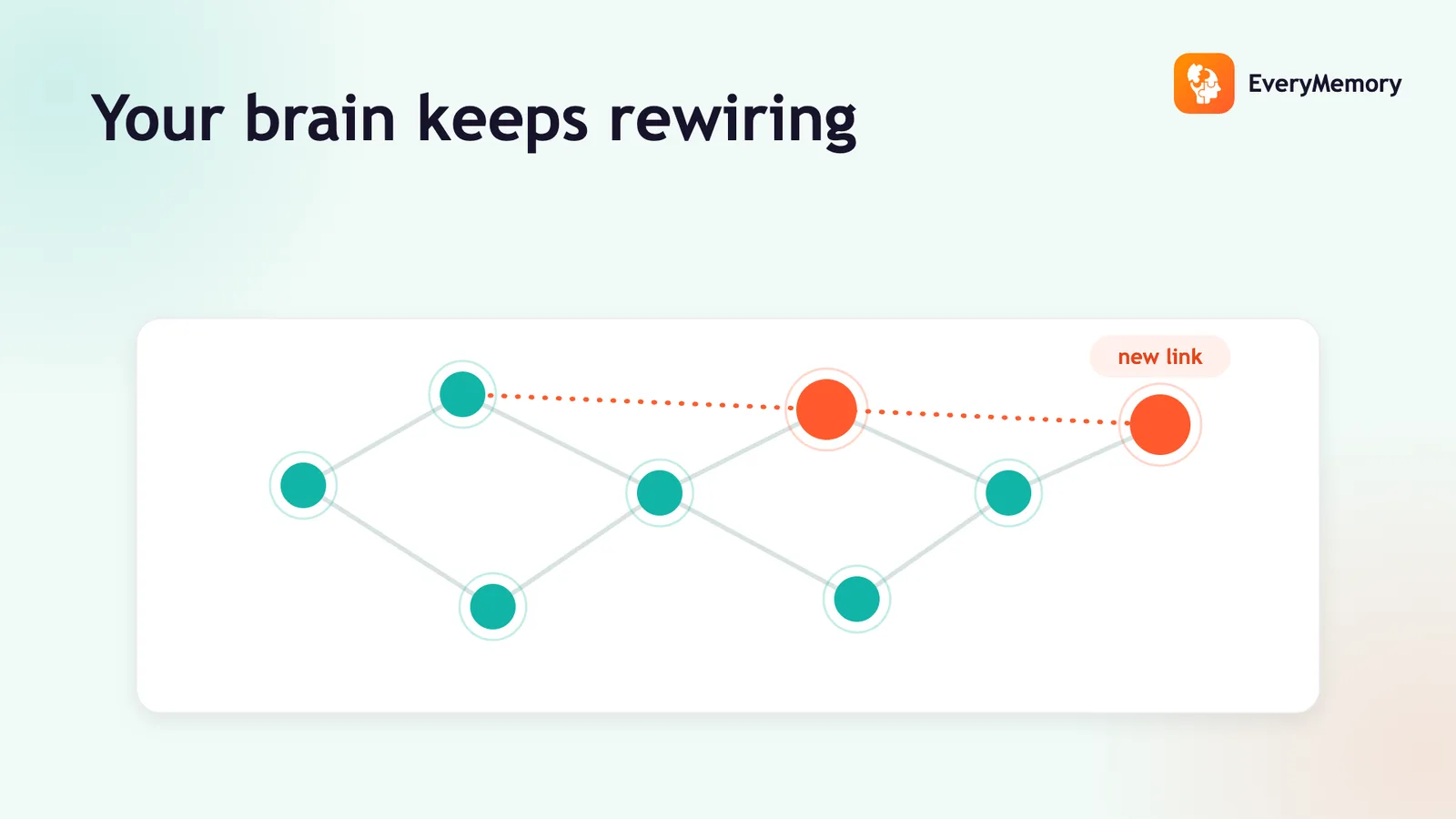
What Is Neuroplasticity? Keep Learning at Any Age
The brain keeps forming new connections throughout life. Here's what neuroplasticity actually means and what it suggests about learning and memory after 60.
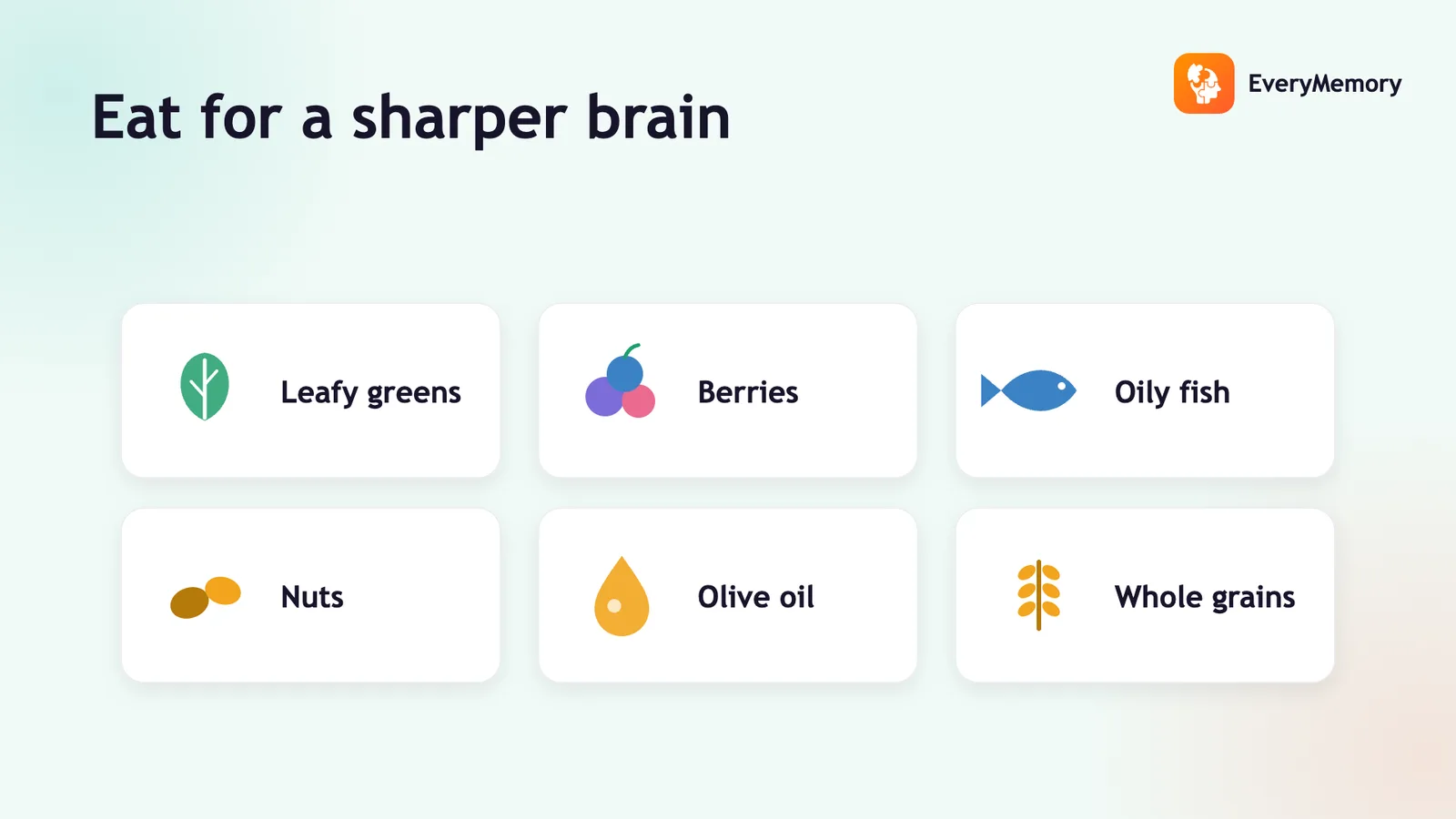
Best Foods for Memory and Brain Health
No single food is a magic solution, but a consistent eating pattern rich in oily fish, leafy greens, berries, nuts, and olive oil is linked with sharper recall and healthier brain ageing.
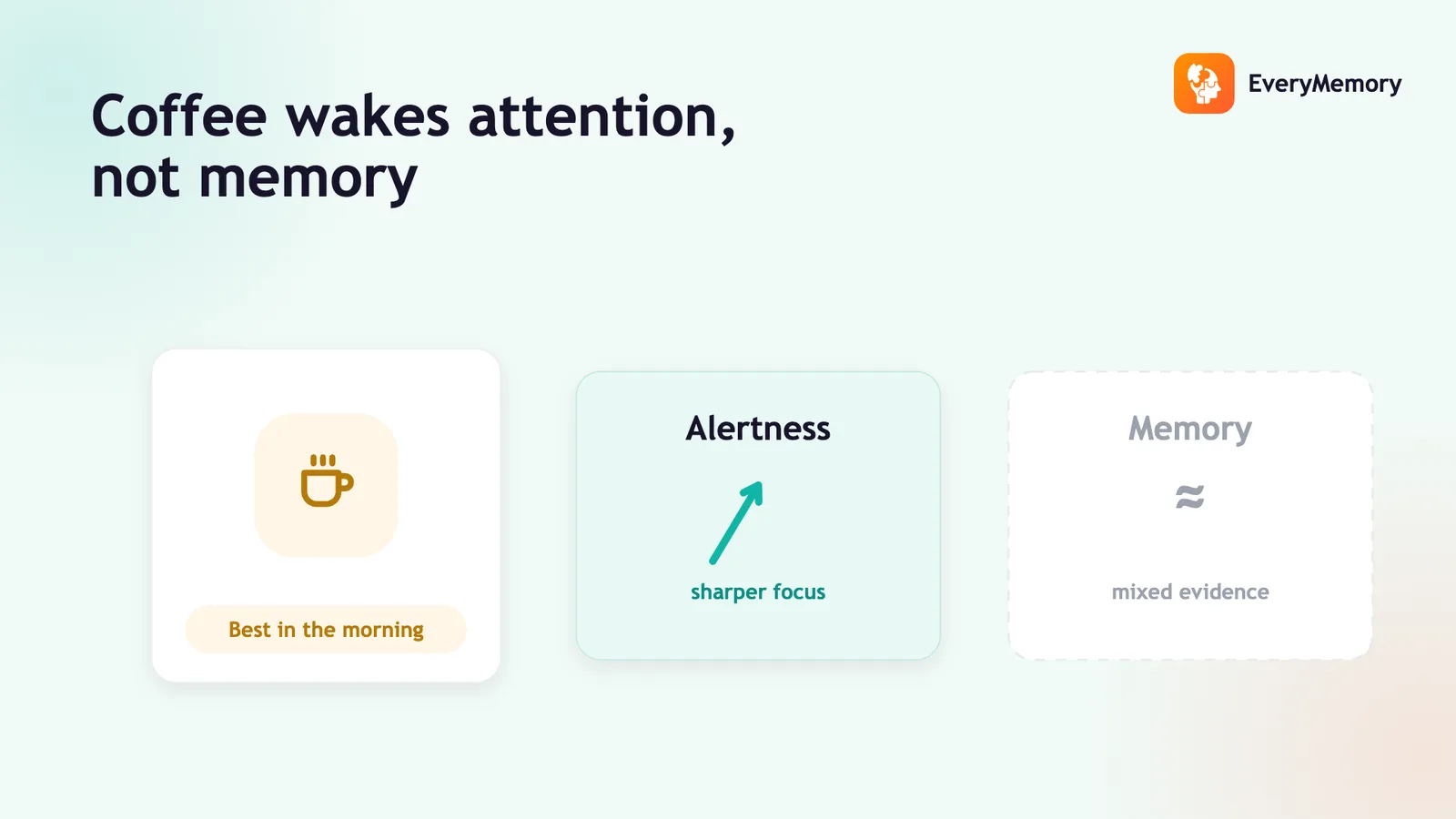
Caffeine and Memory: What Coffee and Tea Actually Do
Caffeine sharpens alertness and attention reliably - but its relationship with memory is more nuanced, and timing matters more than most people realise.
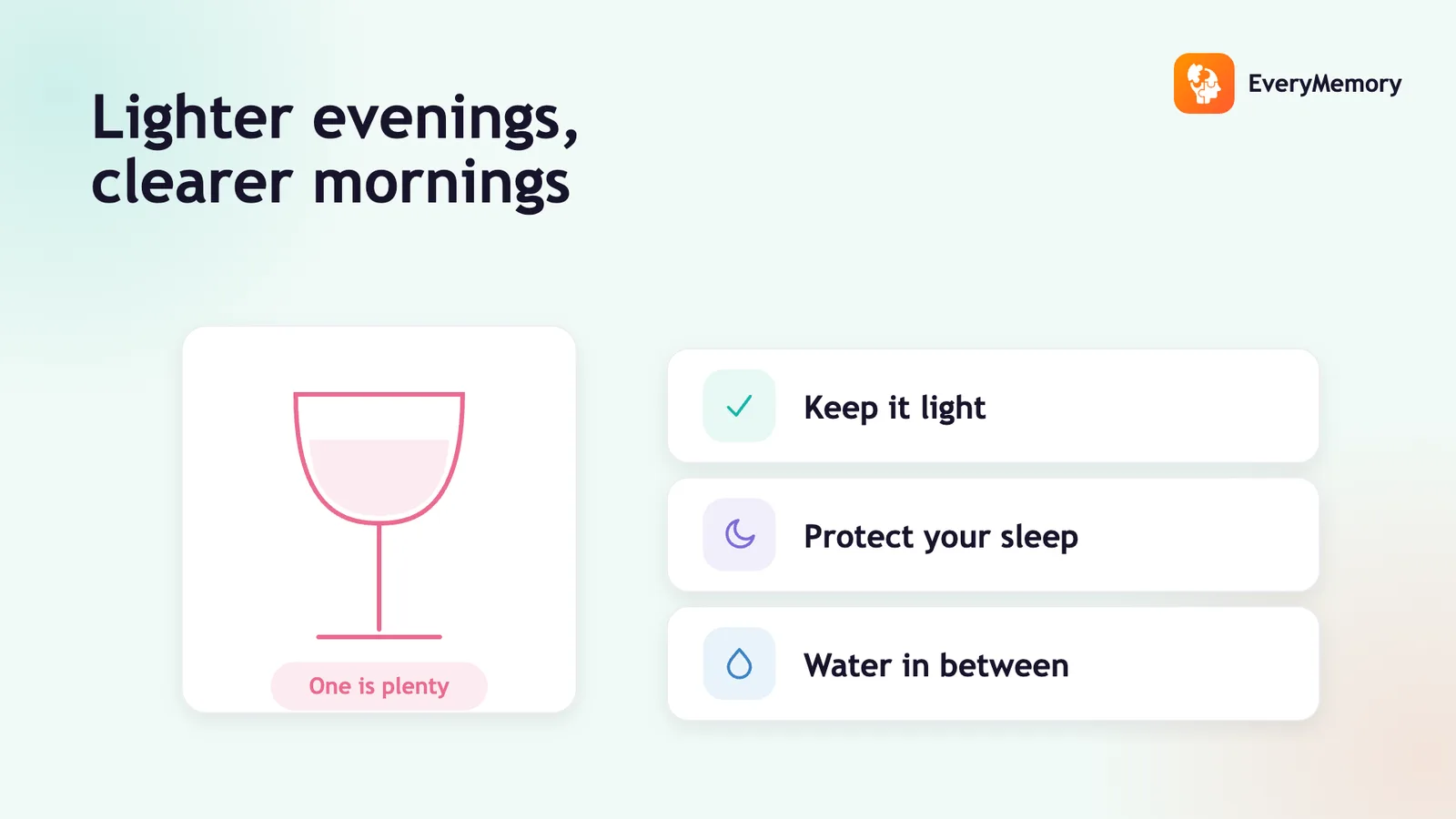
Alcohol and Memory: What Actually Happens
Even moderate drinking can leave next-day gaps in recall and muddy focus - here's what happens inside the brain and why those effects tend to grow more noticeable with age.
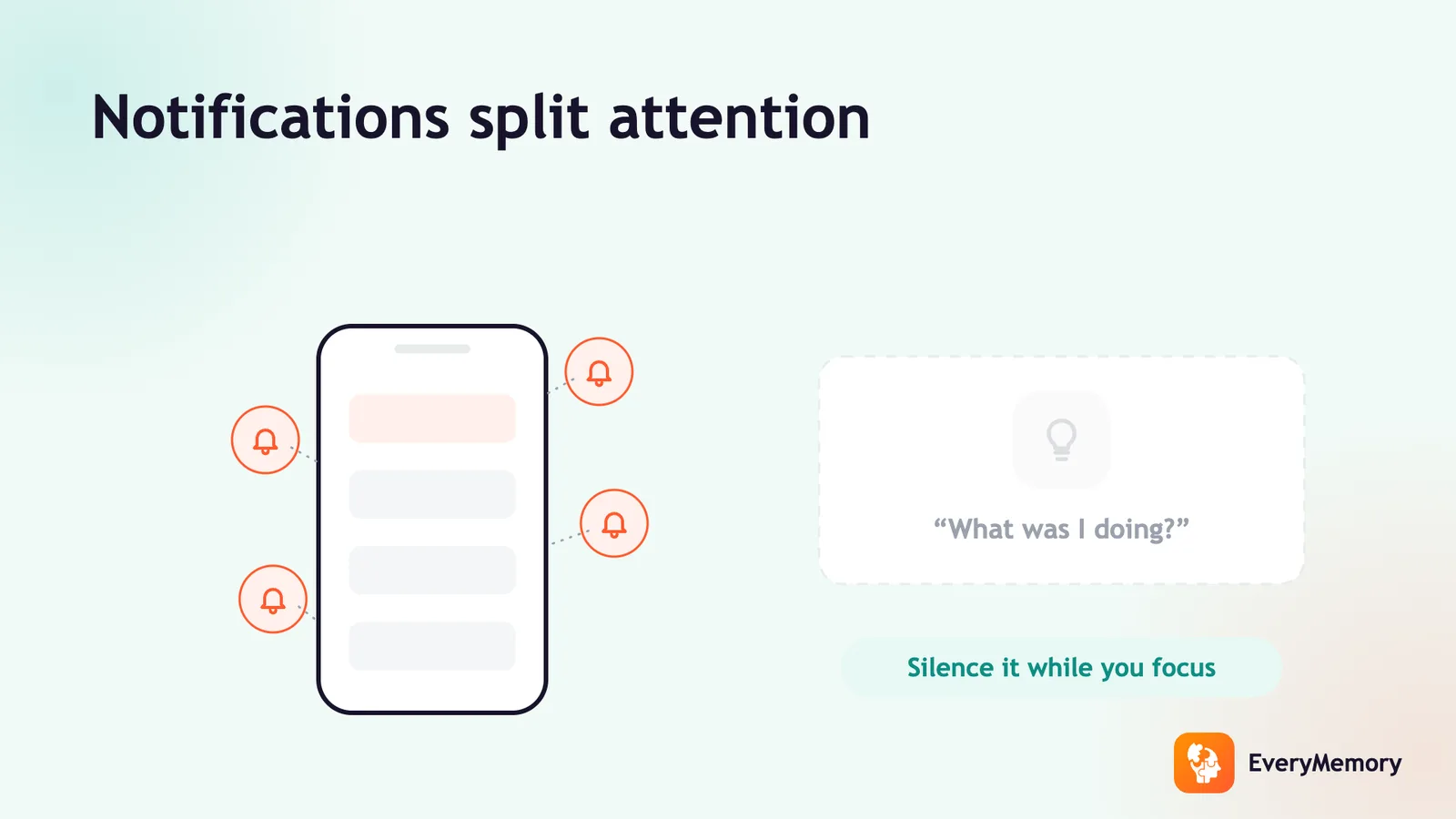
Are Smartphones Making Us Forgetful?
Phones aren't erasing your memory - but the way you use them can quietly undermine how information gets stored in the first place.
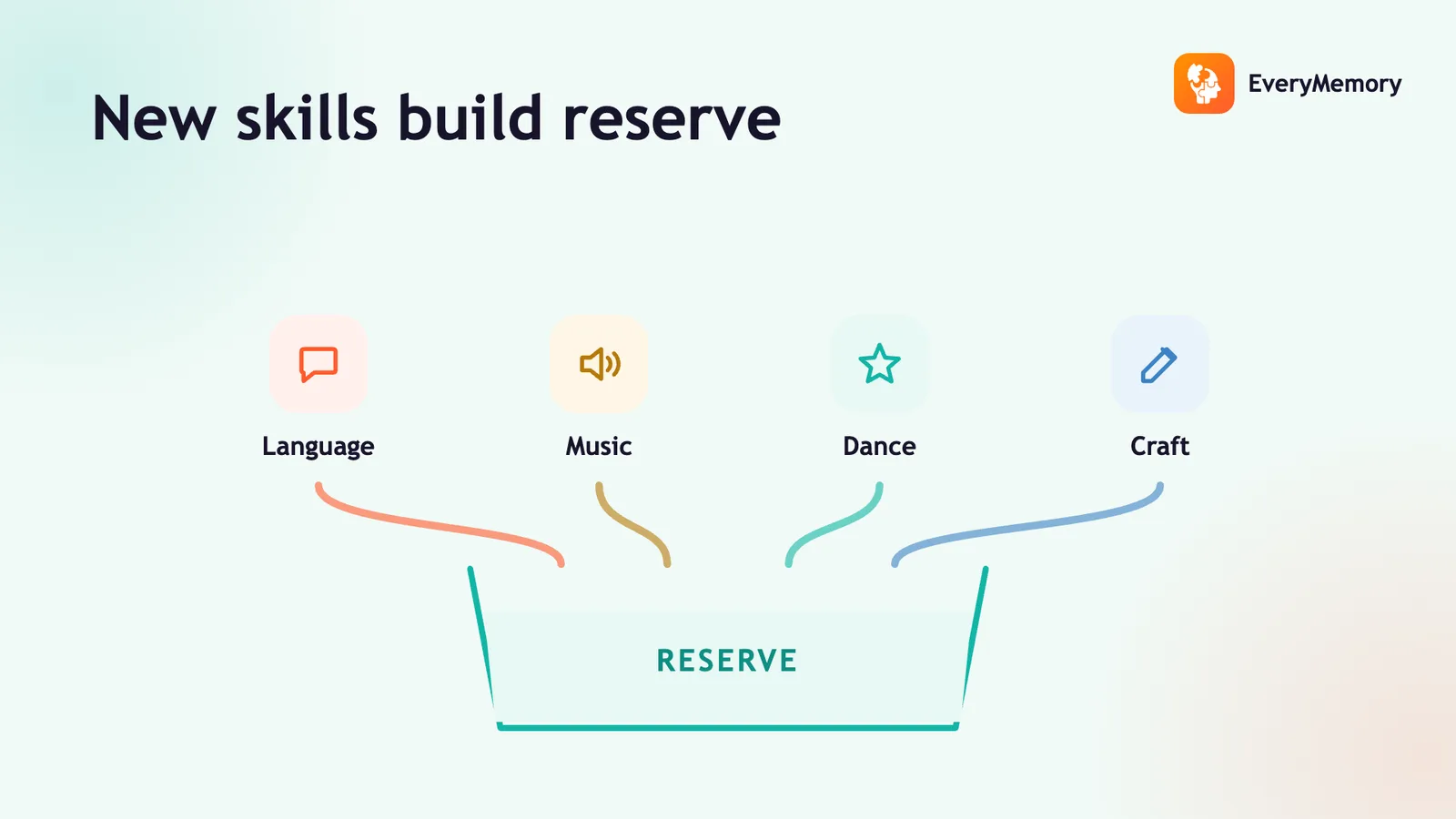
Learning New Skills and Brain Health
Picking up a language, an instrument, or a craft in your 50s, 60s, or beyond does more than keep you occupied - it engages the very mechanisms that support a resilient brain.
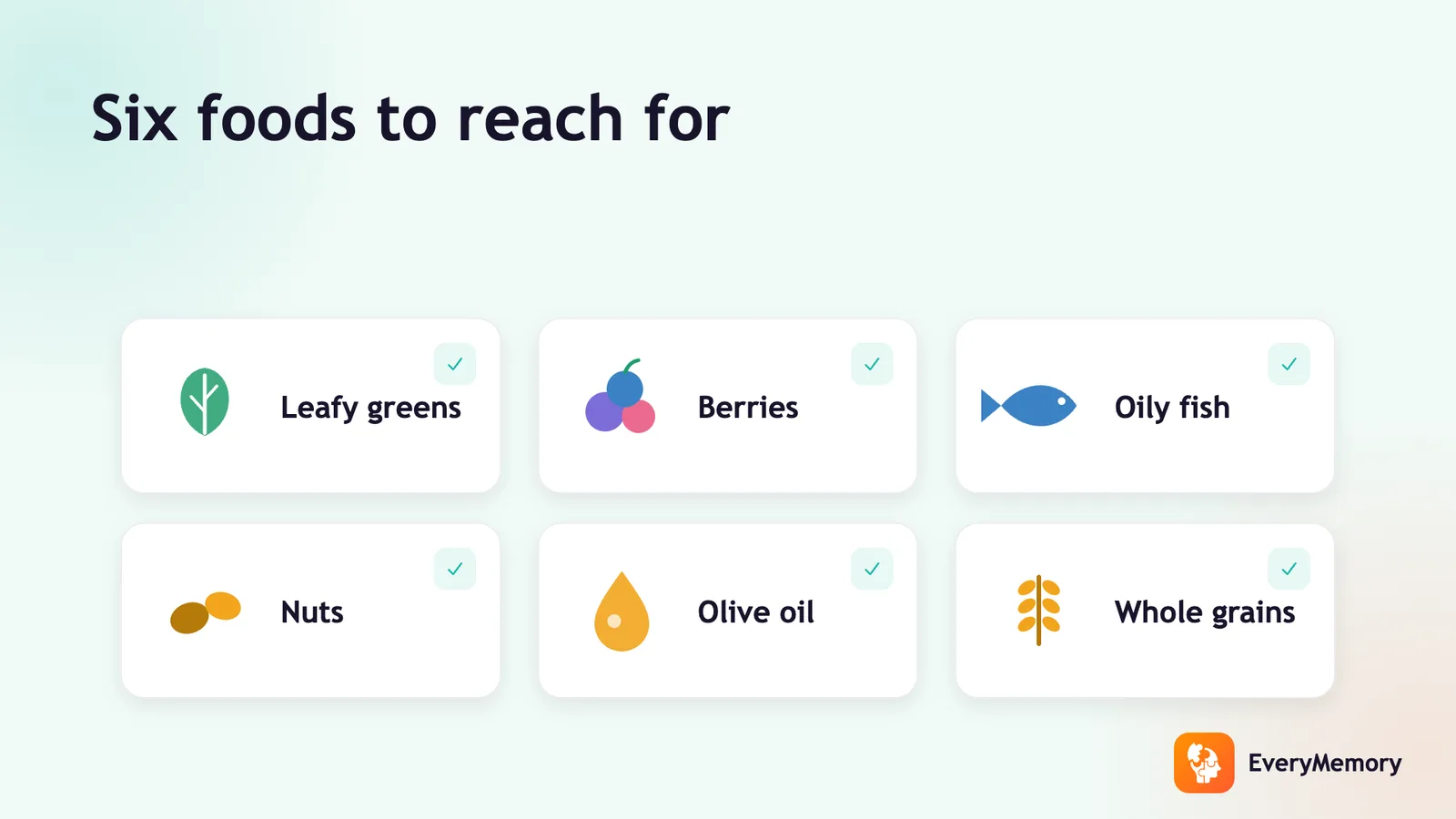
The MIND Diet for Brain Health: A Beginner's Guide
The MIND diet blends Mediterranean and DASH eating into a brain-focused pattern linked with better cognitive outcomes - here is how it works and how to start.
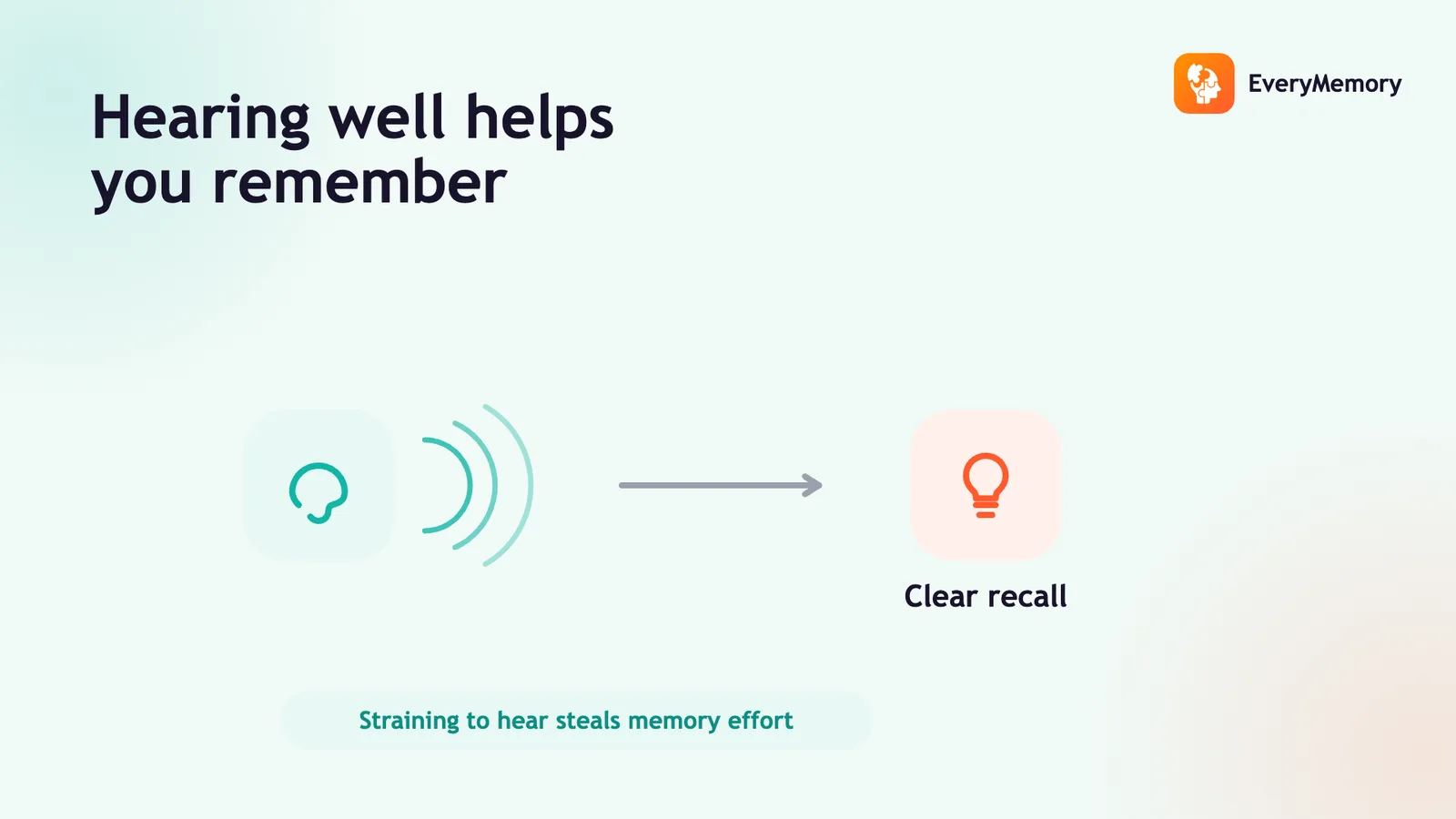
Hearing and Memory: Why It Matters More Than You Think
Struggling to hear clearly doesn't just make conversation harder - it quietly drains the mental resources you need to remember things, in ways that are easy to miss.
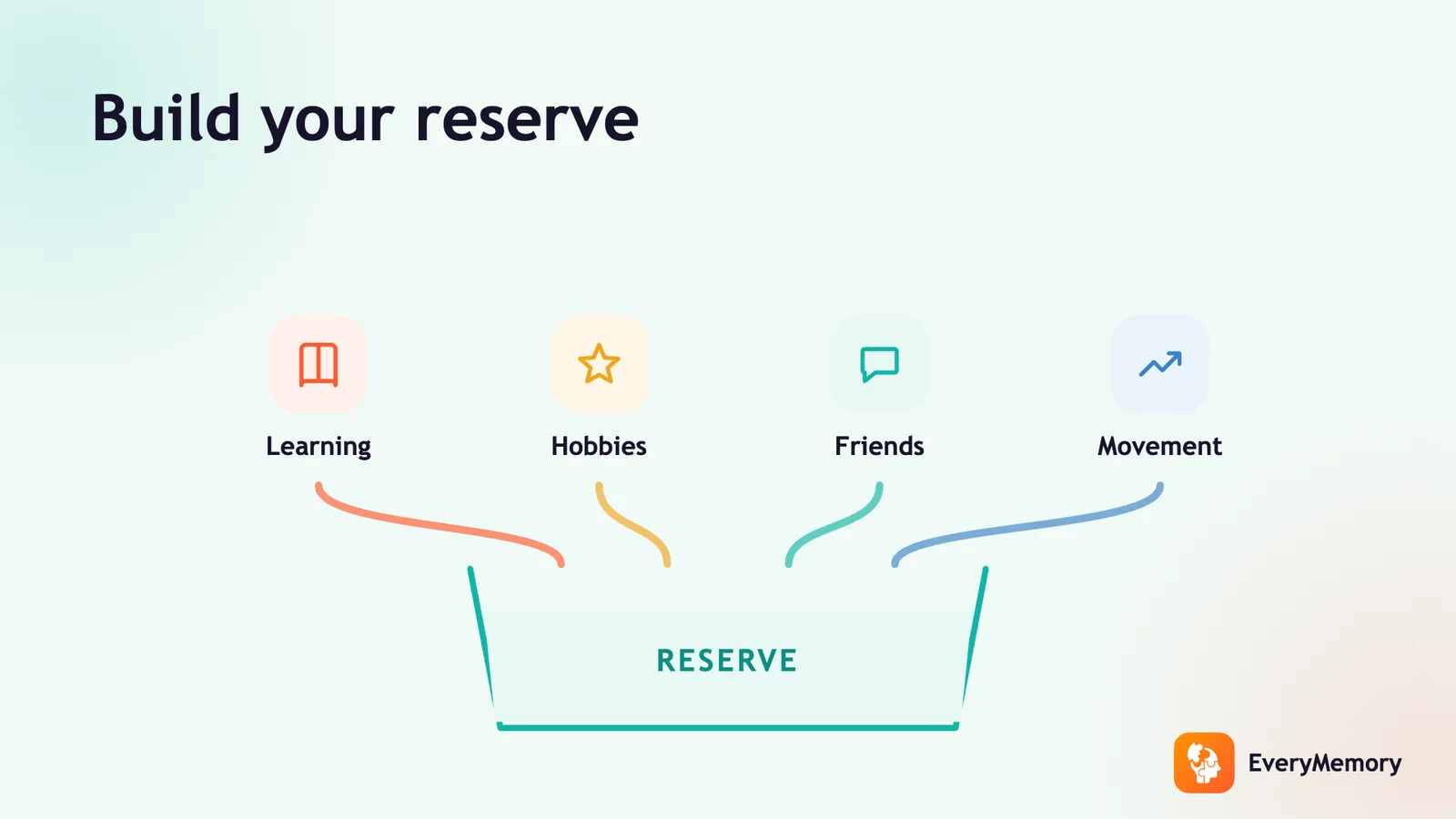
What Is Cognitive Reserve - and Can You Build It?
Cognitive reserve is the brain's built-up capacity to cope with the changes of aging - and a lifetime of learning, connection, and activity is how it grows.
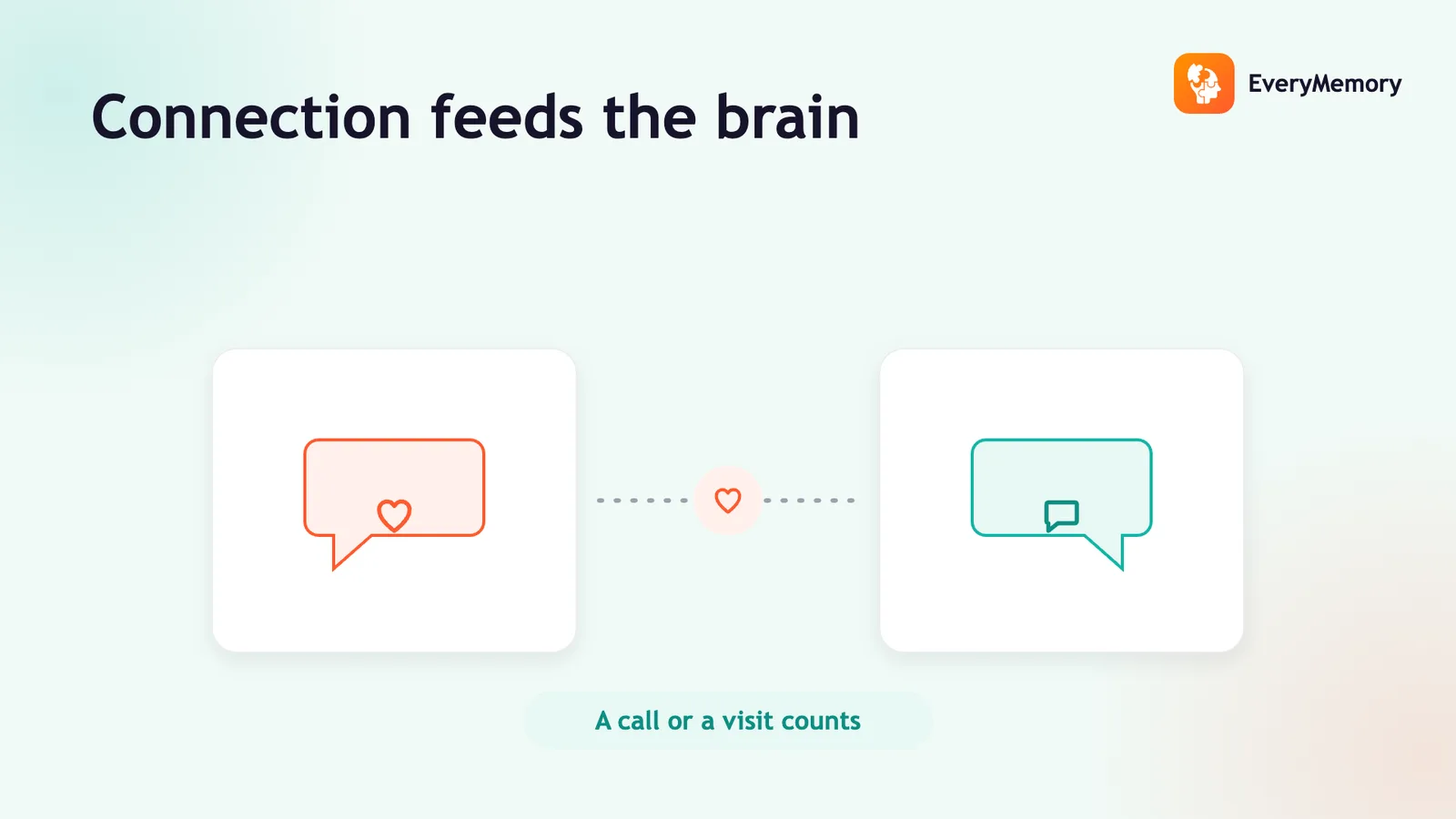
Loneliness and Memory: Why Connection Matters
Feeling socially isolated doesn't just affect your mood - research links it with less sharp memory and focus. Here's why human connection matters for the brain, and how to gently rebuild it.
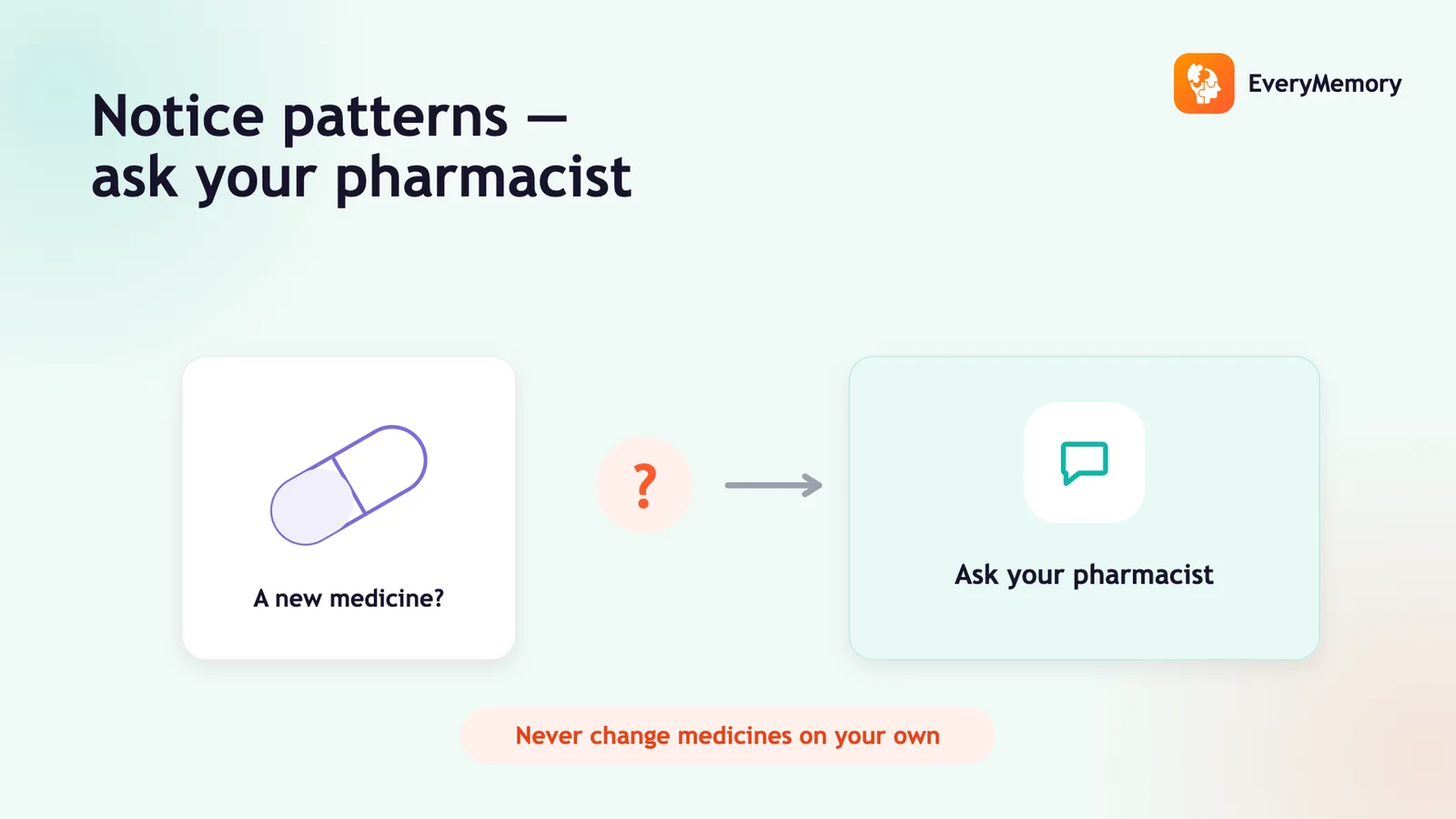
Medications and Memory: Ask Your Pharmacist
Some everyday medicines can sometimes affect focus or memory for some people - the empowering step is bringing a full medicine list to your pharmacist or doctor and asking.
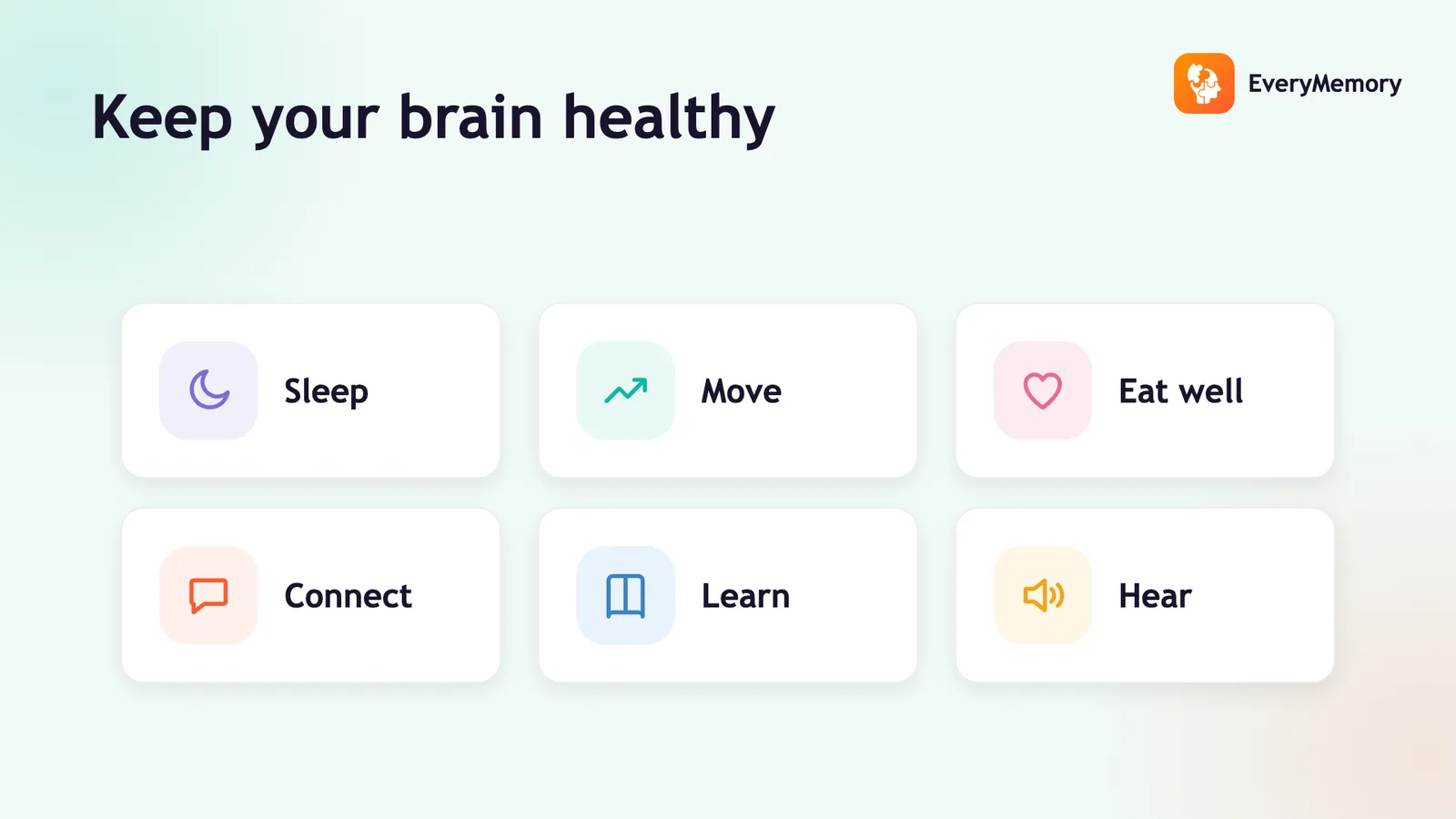
How to Keep Your Brain Healthy: A Complete Lifestyle Guide
Sleep, movement, diet, stress, social life, hearing - the research-backed habits most consistently linked with a sharper, more resilient brain as you age.
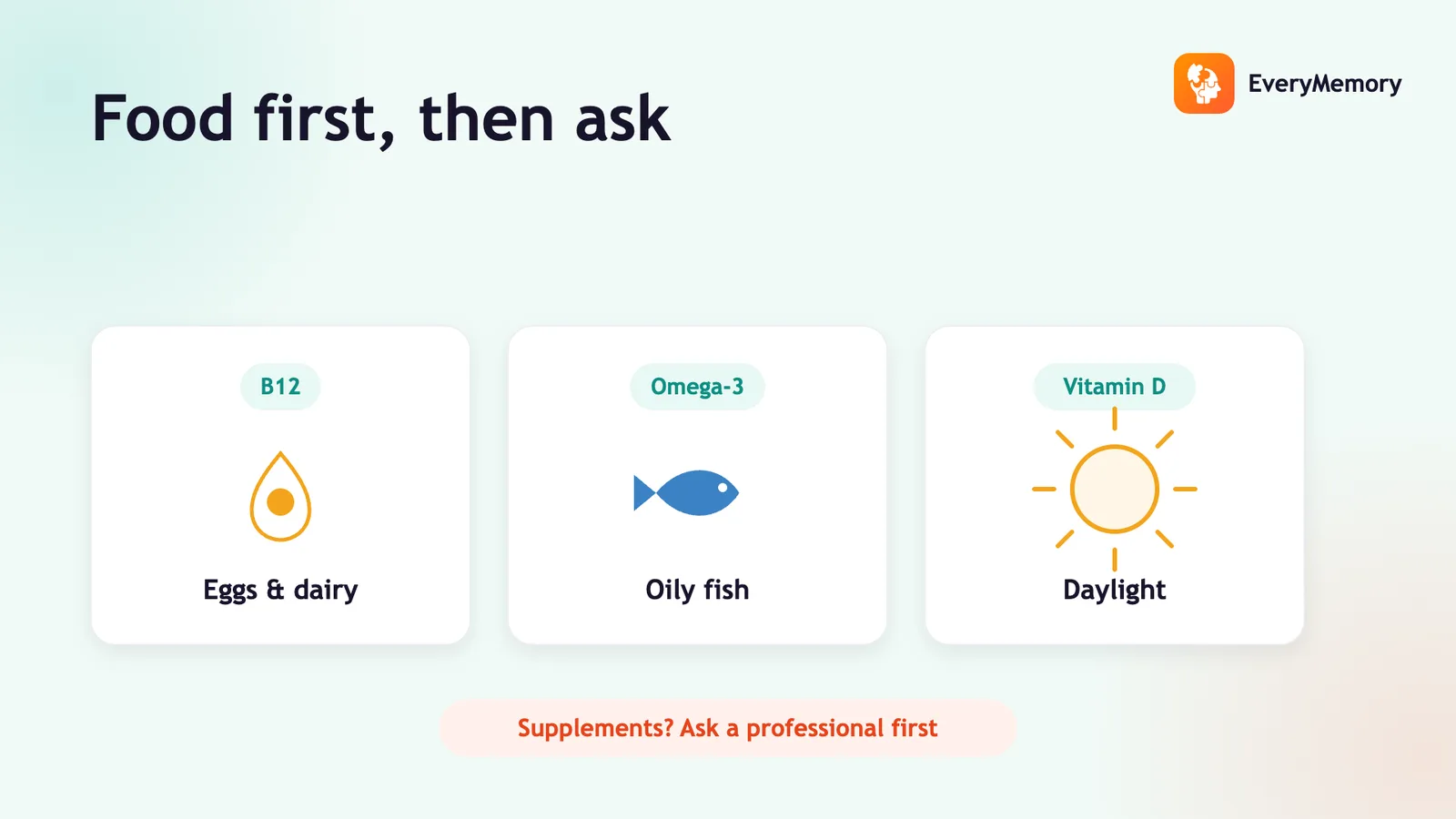
Vitamins and Memory: What the Evidence Shows
An honest, calm look at the nutrients most linked with brain health - B12, omega-3, vitamin D, and more - and why food comes first.
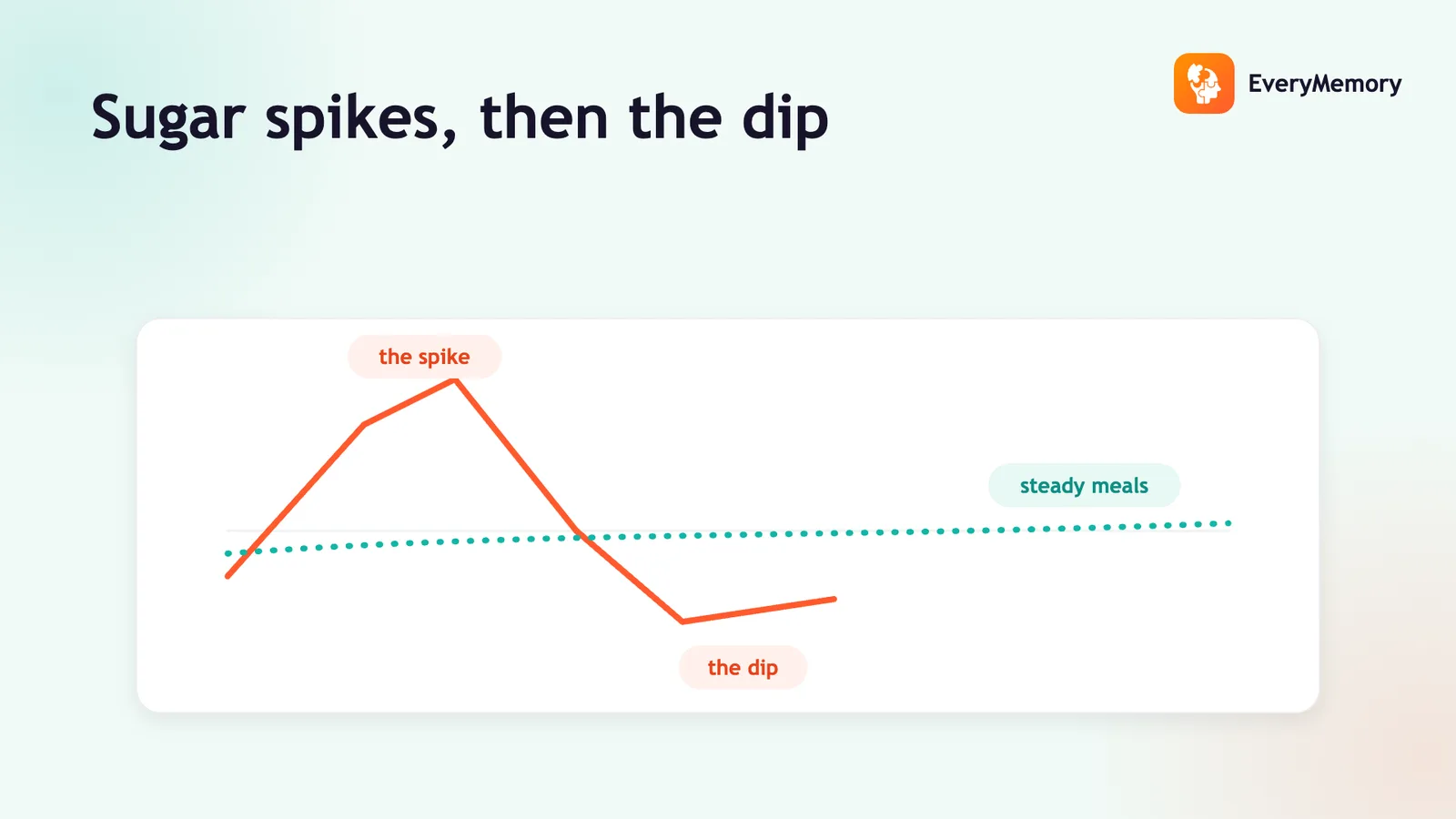
Sugar and Brain Fog: What's Actually True?
That foggy, sluggish feeling after a sweet meal isn't in your head - but the story of sugar, blood glucose, and focus is more nuanced than most people realise.
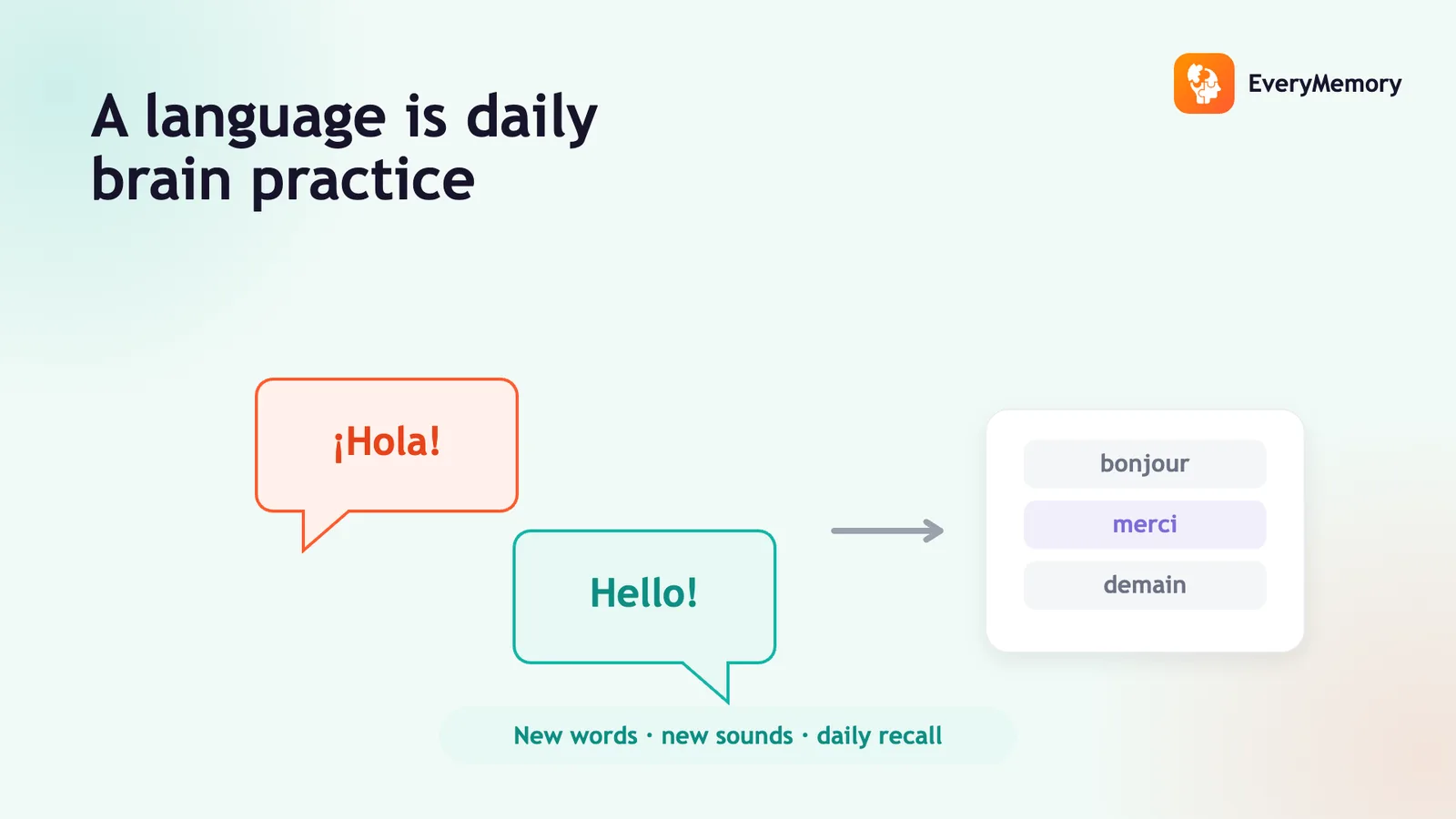
Learning a Language and Memory: What the Science Says
Picking up a new language as an adult does far more than teach you words - it exercises the very memory and attention systems that matter most as you age.
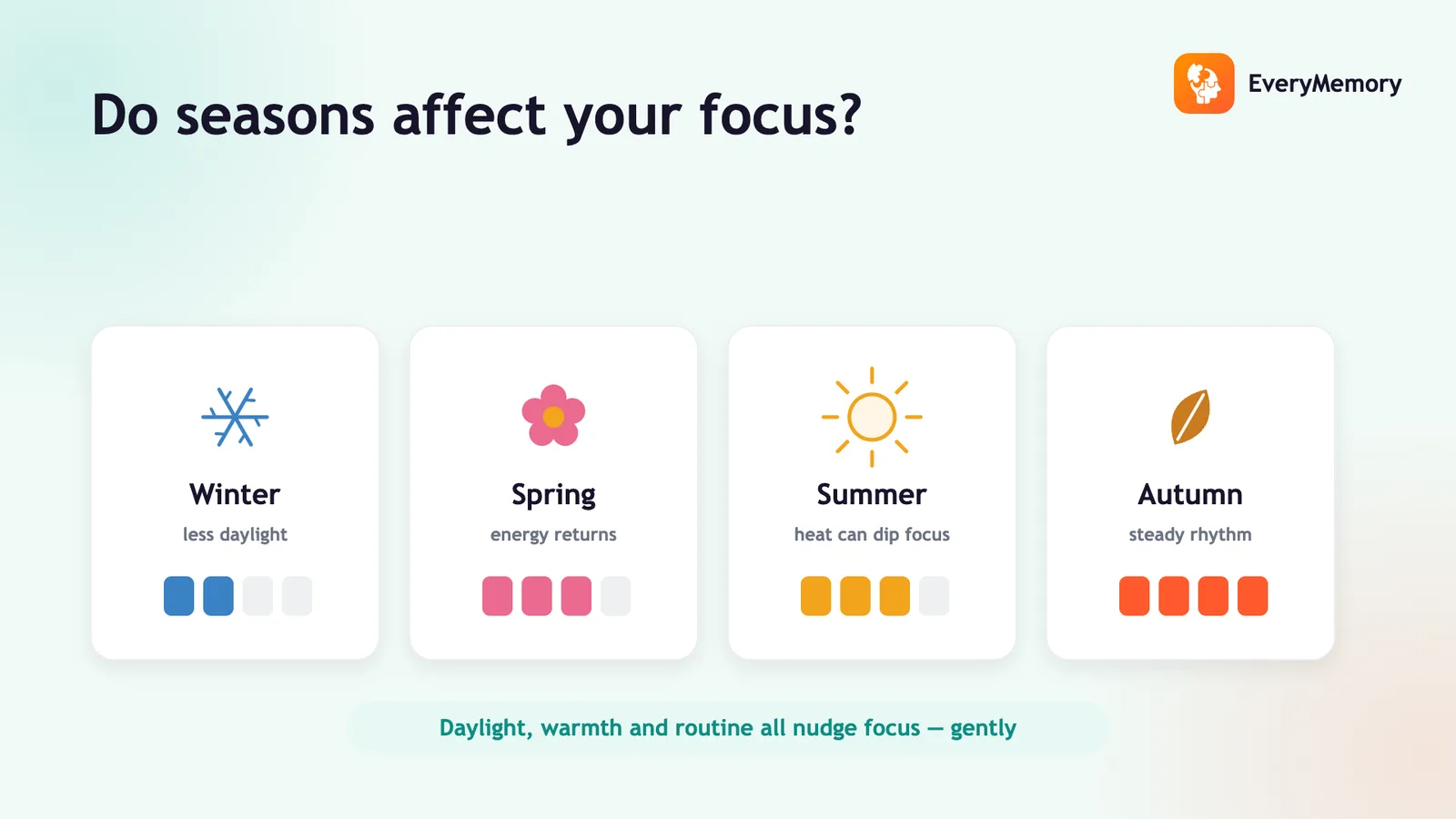
Do Seasons Affect Your Memory and Focus?
From winter sluggishness to summer heat, the changing seasons have a surprisingly real effect on how clearly we think - and gentle habits can help year-round.
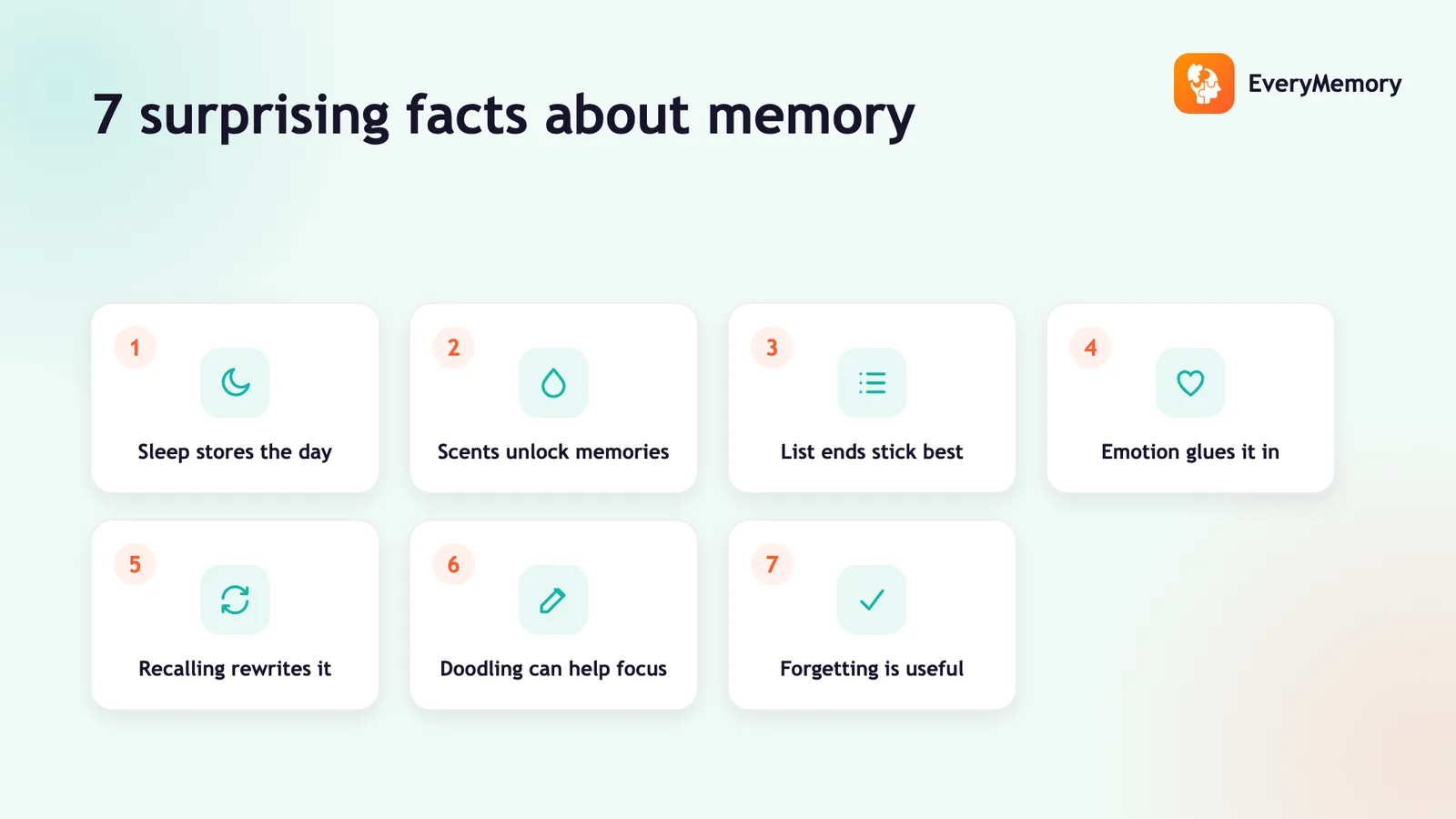
7 Surprising Facts About How Memory Works
Memory is not a recording - it is a creative act. These seven science-backed facts will change the way you think about remembering, forgetting, and your own life story.
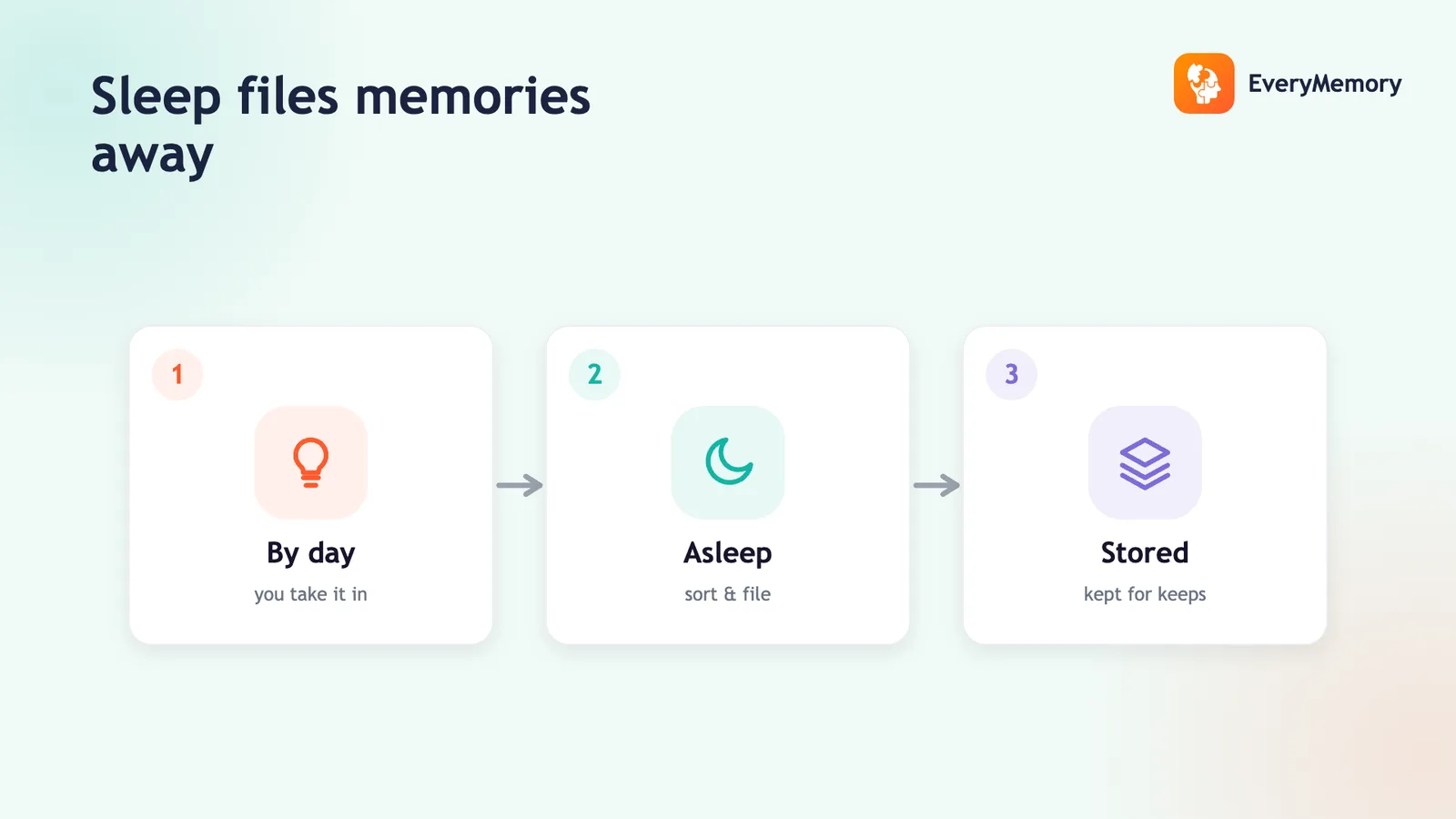
How Sleep Affects Your Memory
Sleep is when your brain files new memories away. Why too little undoes a day's learning, and the simple sleep habits that protect memory.
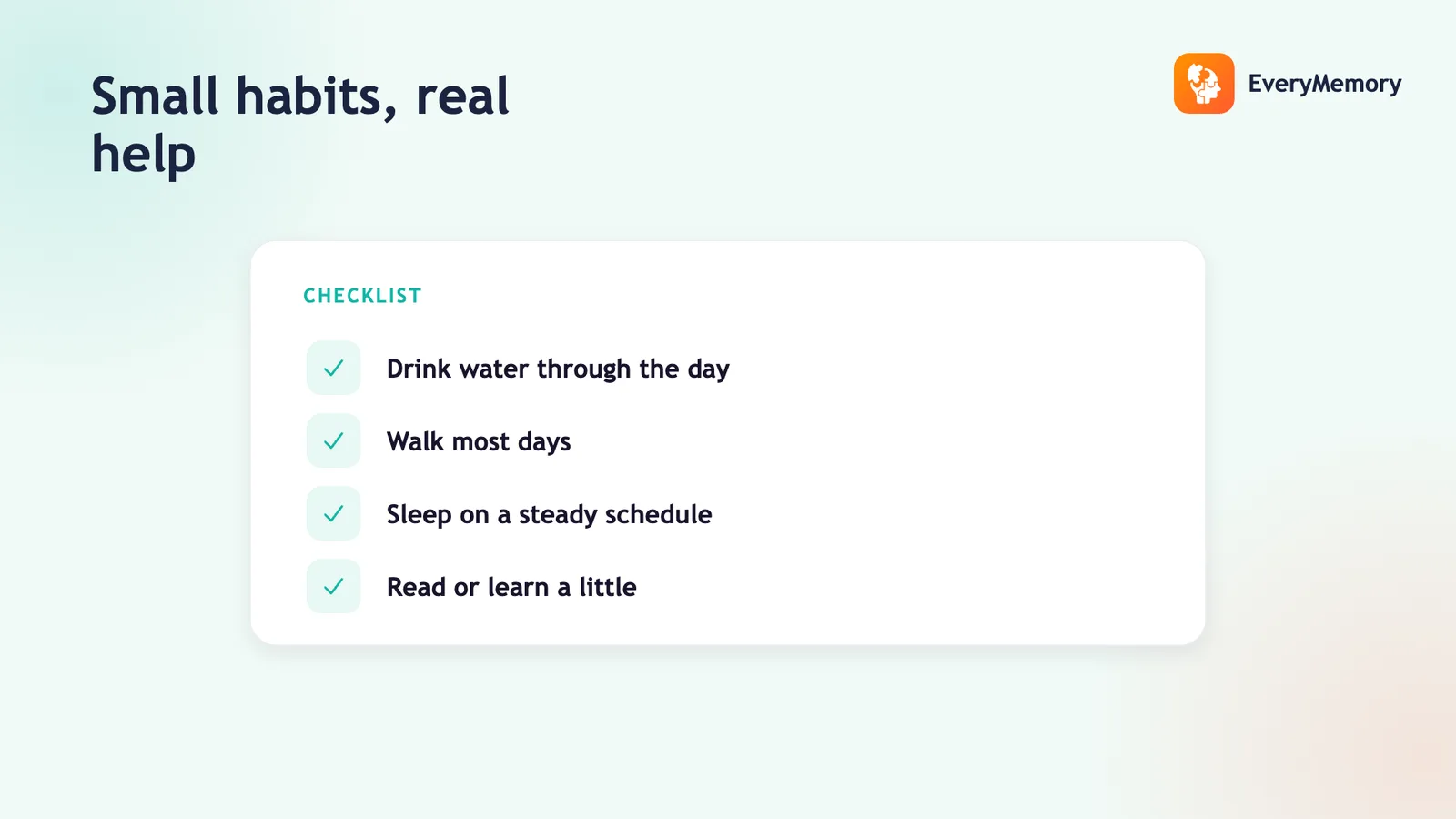
Memory Booster Habits That Actually Help
There's no magic memory booster - but a handful of everyday habits genuinely create the conditions memory needs. The ones that work, and what to be skeptical of.
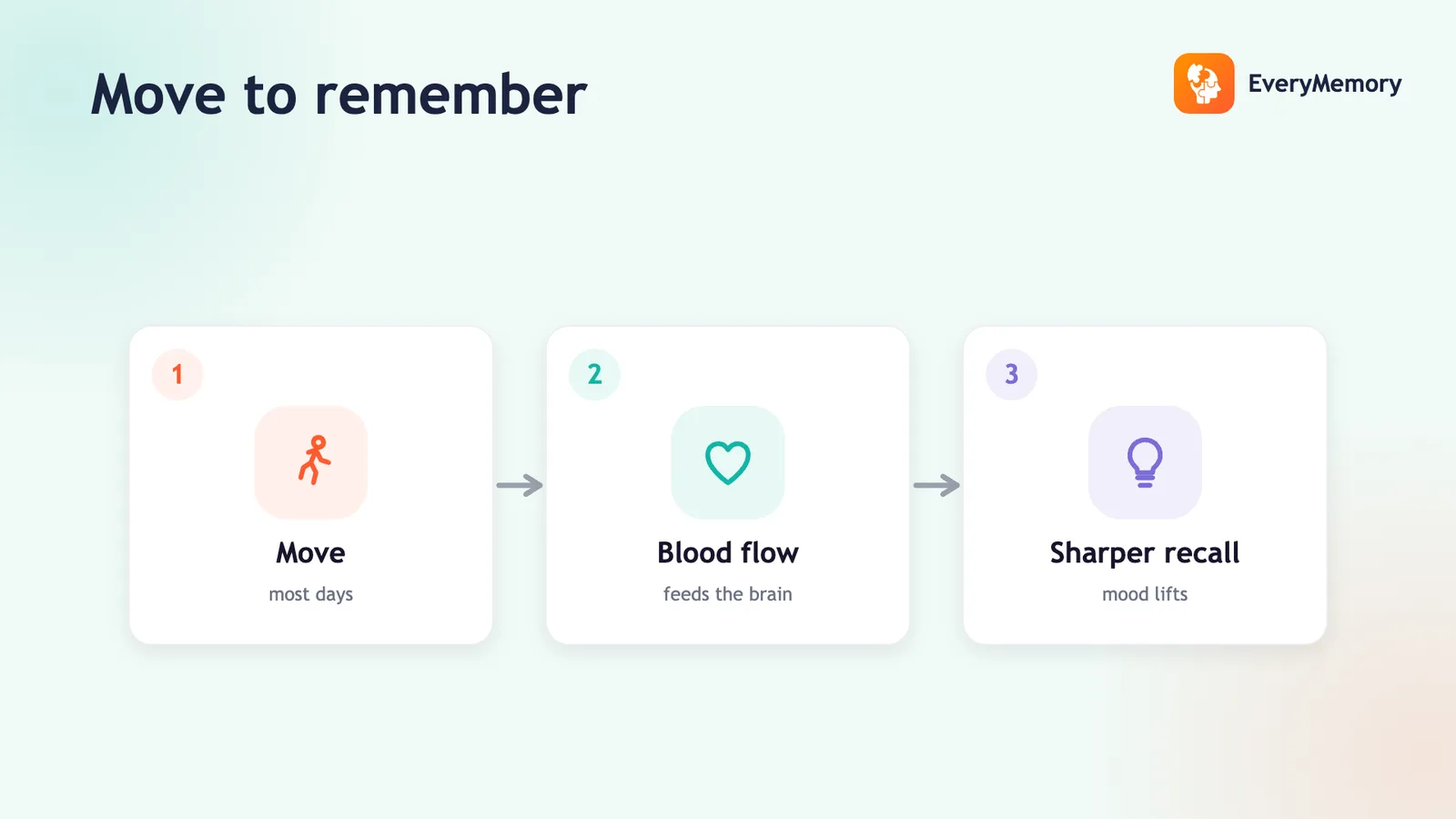
Does Exercise Improve Your Memory?
Physical activity is one of the most reliable everyday supports for memory - and you don't need intense workouts. How exercise helps, and how much is enough.
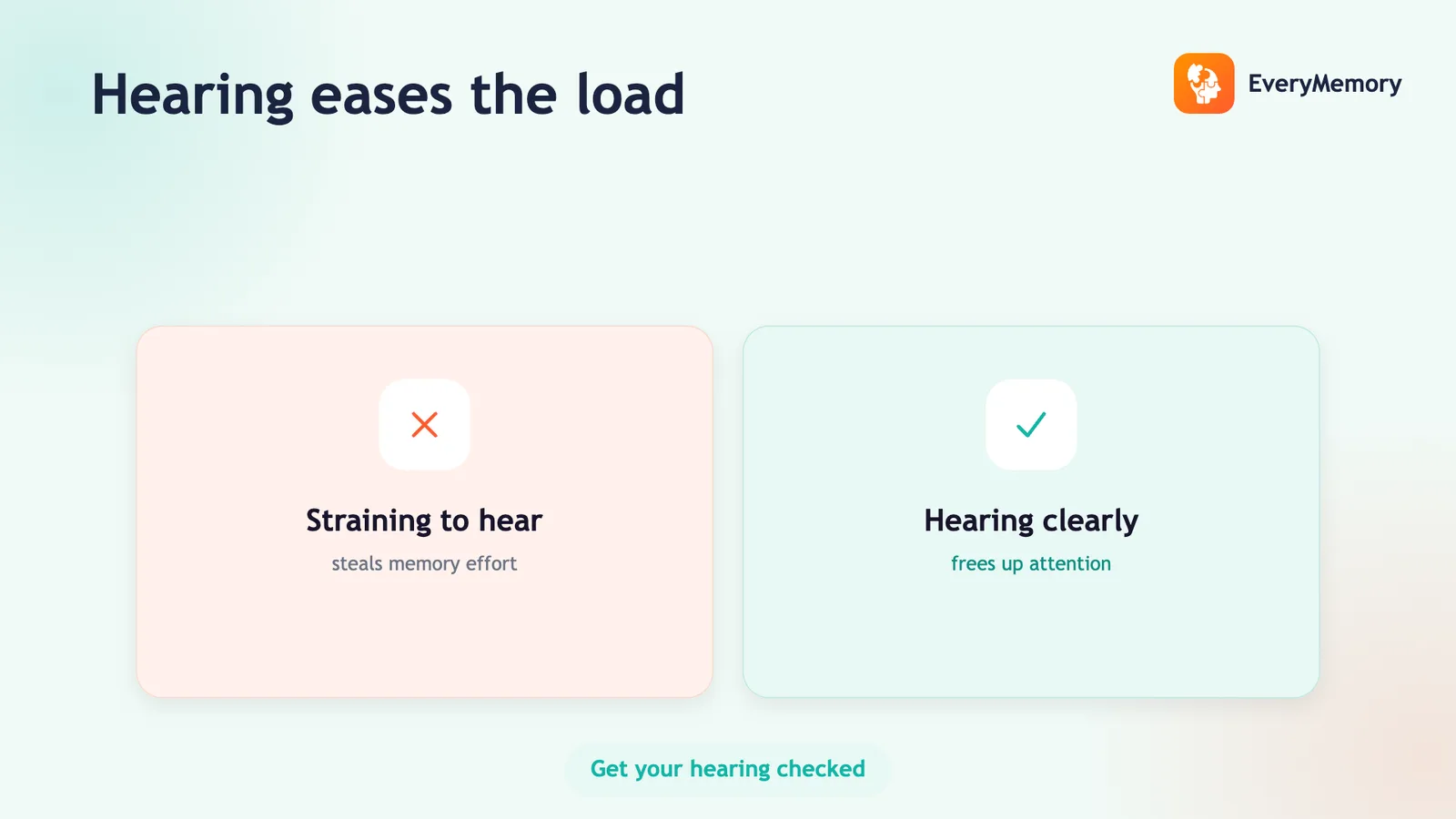
Hearing Loss and Memory: The Overlooked Link
Straining to hear quietly drains the attention memory depends on. Why untreated hearing loss is linked with memory difficulties - and why it's often addressable.
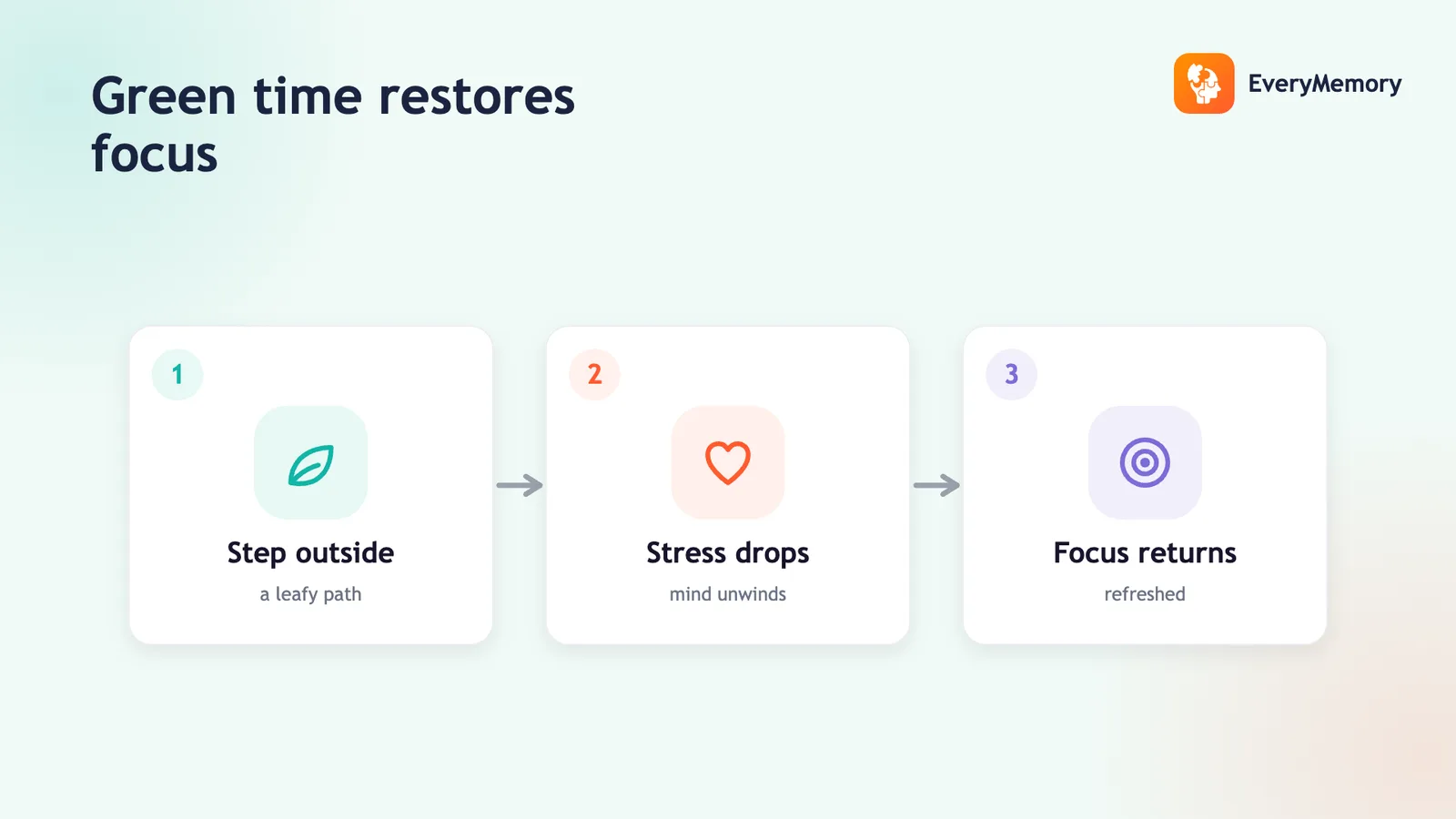
Does Spending Time in Nature Help Your Brain?
Time in green space can restore tired attention and lower stress - both of which support memory. A simple, pleasant brain habit, even in short doses.
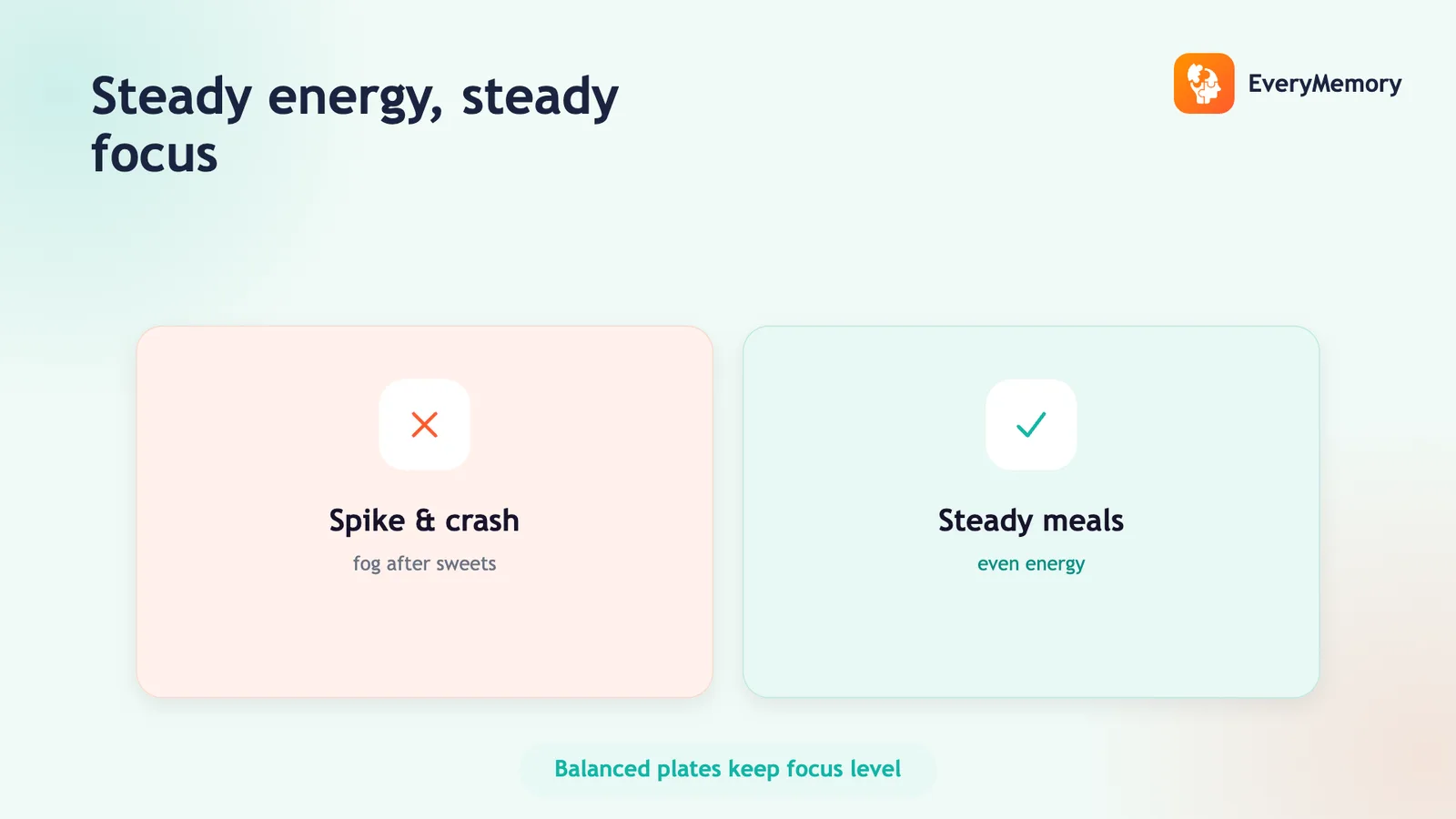
Does Sugar Affect Your Memory?
Sugar isn't a 'memory poison', but big blood-sugar swings can leave you foggy and unfocused. What actually matters is steady energy and overall diet.
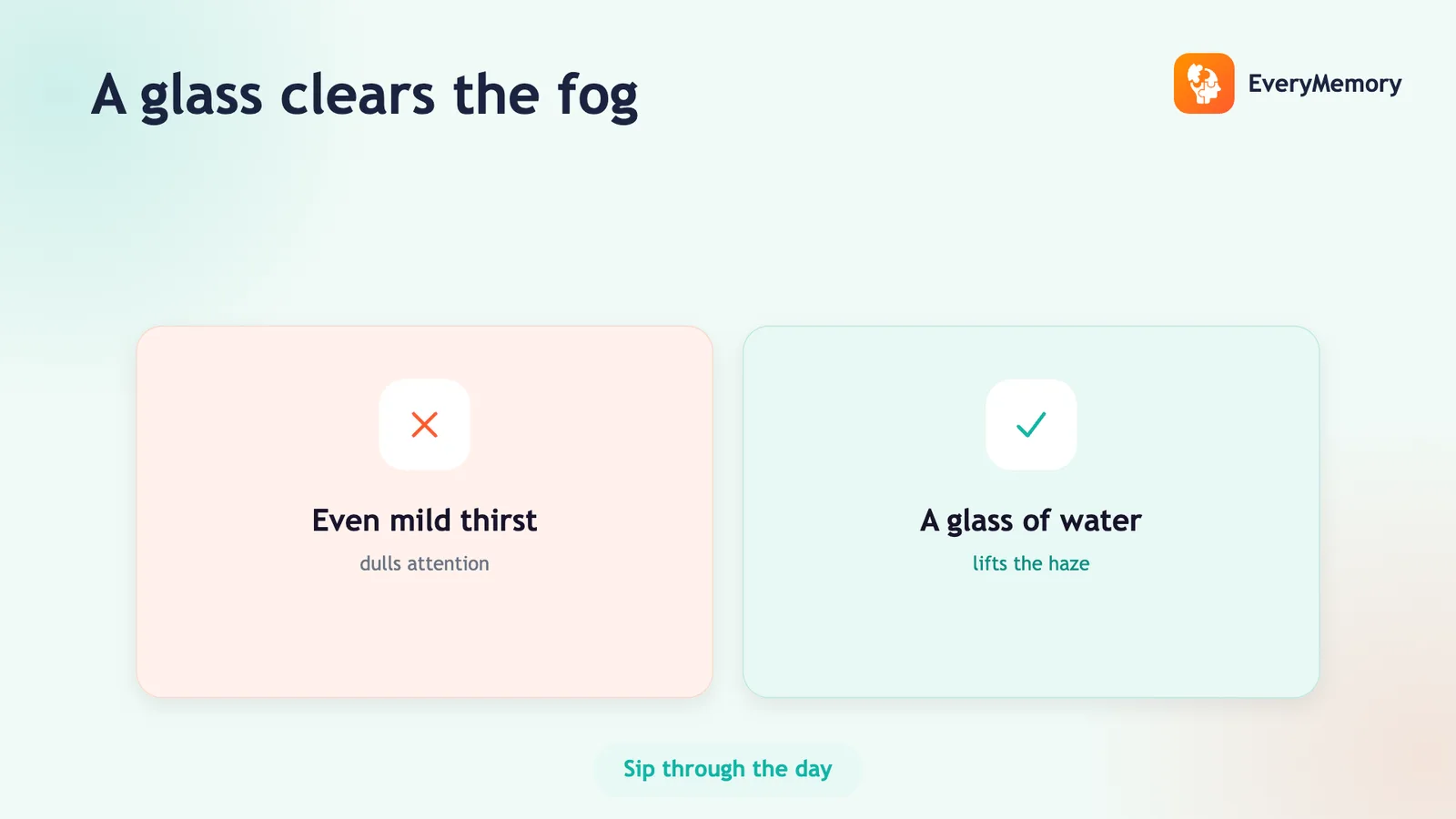
Can Dehydration Affect Your Memory?
Even mild dehydration can leave you foggy and reduce focus and short-term memory - and it's quickly reversible. A simple thing to rule out first.
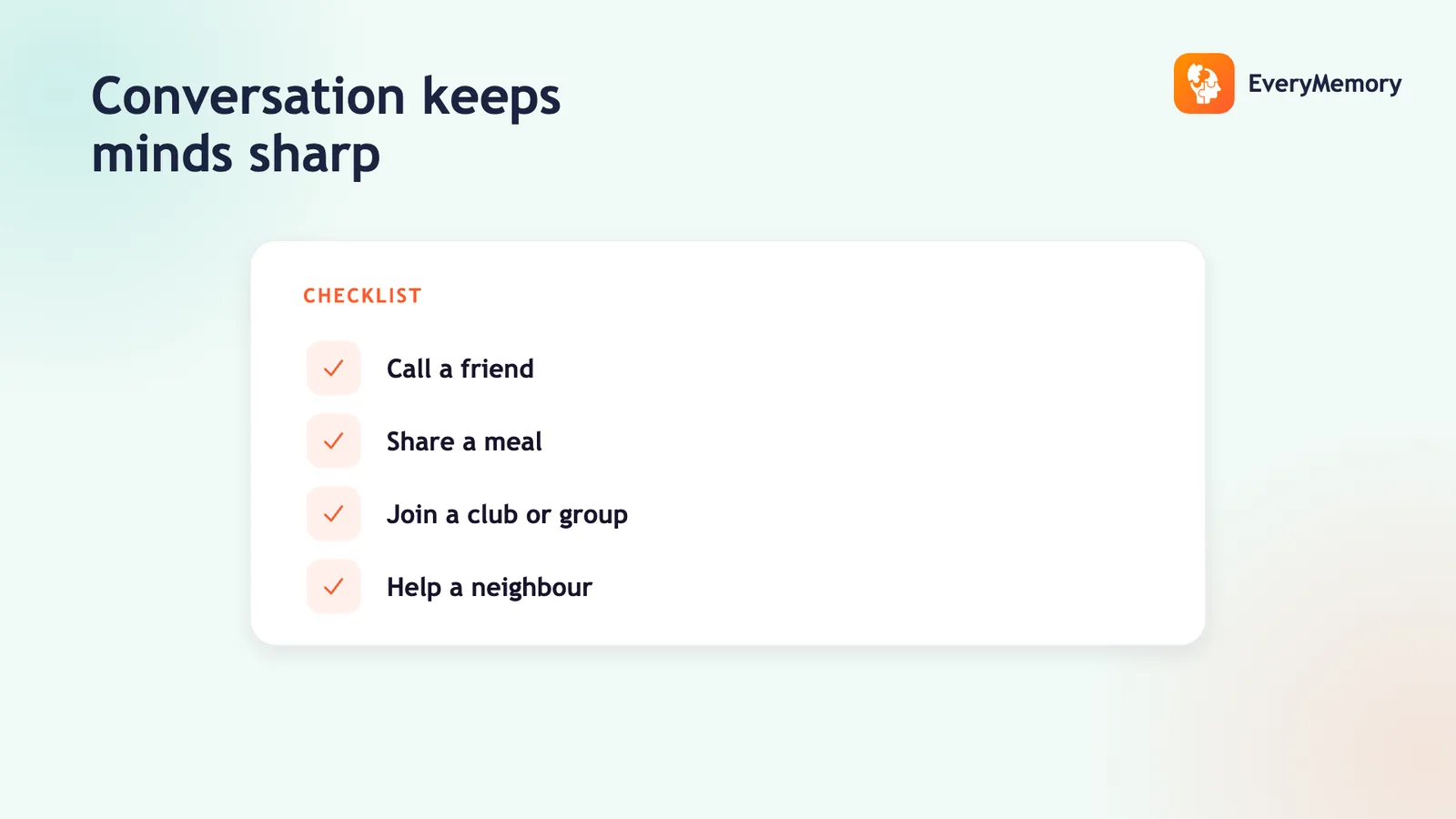
Social Connection and Brain Health
Staying socially connected is an underrated support for the brain - conversation exercises memory and attention, and connection lifts mood and lowers stress.
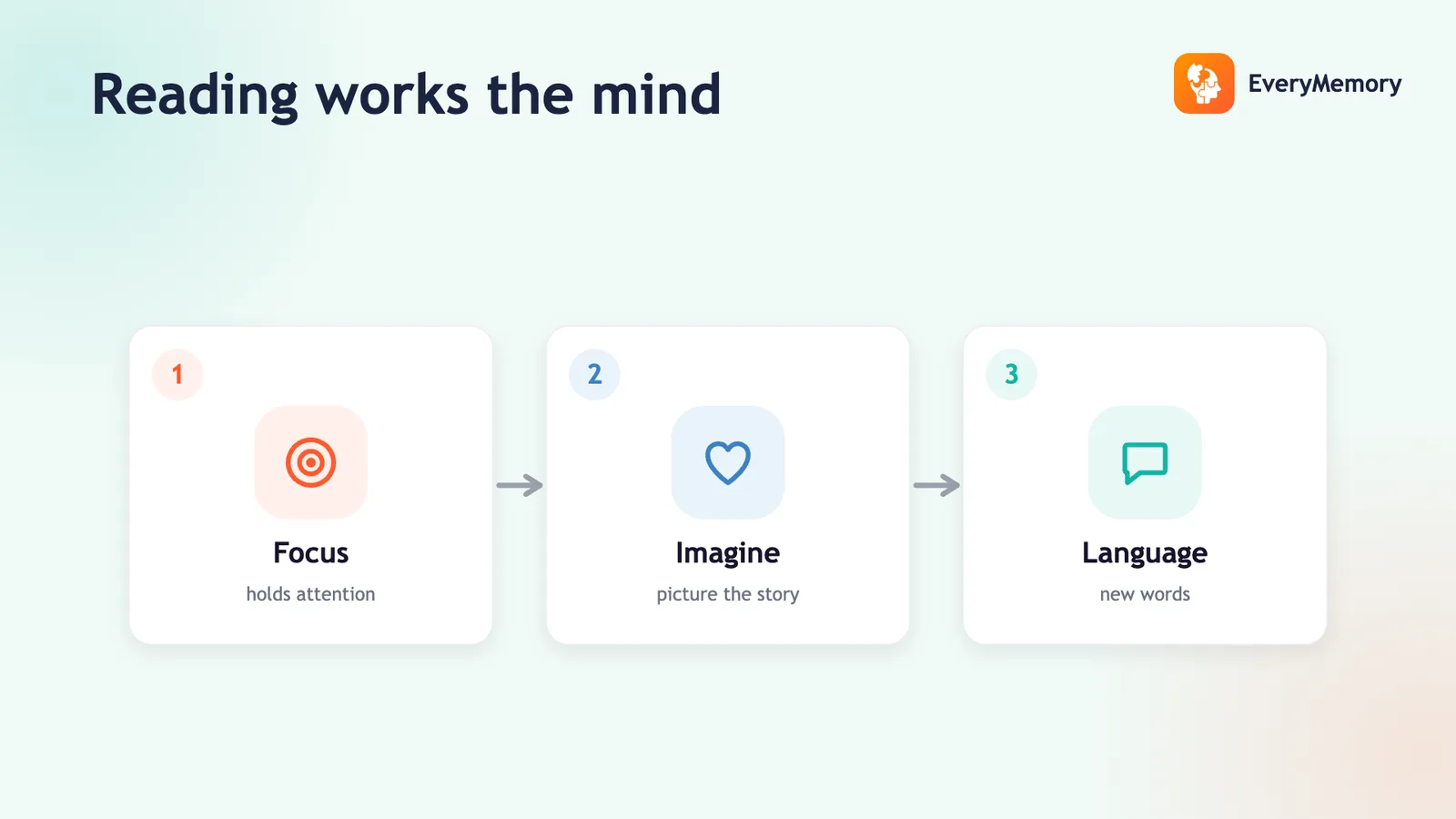
Does Reading Keep Your Mind Sharp?
Reading exercises attention, memory, language, and imagination - and the habit is linked with staying mentally sharp. Why engaged reading does more than skimming.
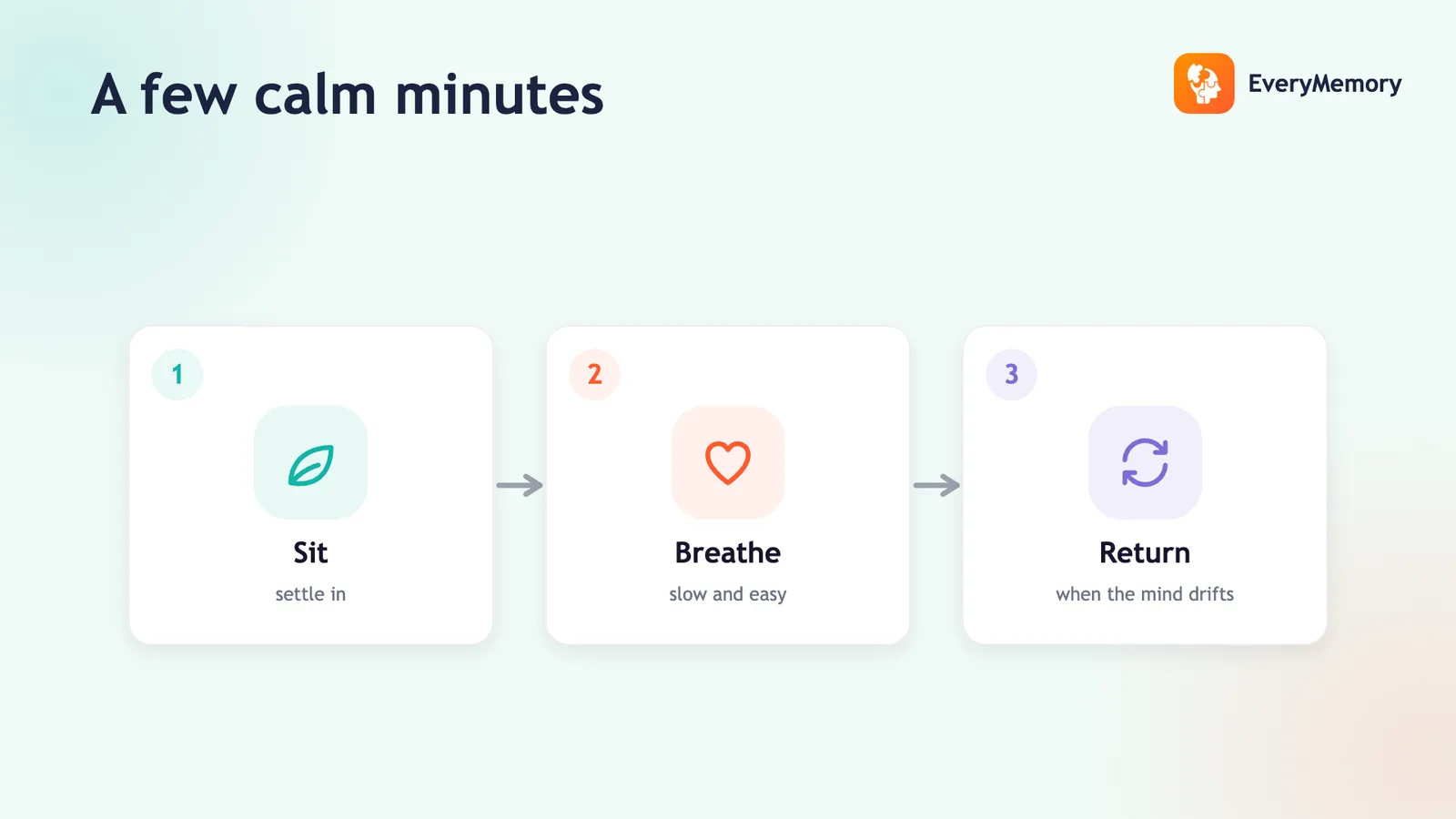
Does Meditation Help Memory and Focus?
Meditation trains attention and lowers stress - and since both strongly affect memory, a few minutes most days can indirectly help you focus and recall better.

Types of Memory Explained: Sensory, Short-Term, and Long-Term
Memory isn't one thing. A plain guide to the main types - sensory, short-term, working, and long-term - and how information moves between them.

Working Memory vs Short-Term Memory: The Difference
Short-term memory holds; working memory holds and works. The simple distinction, with examples, and why the terms get used interchangeably.
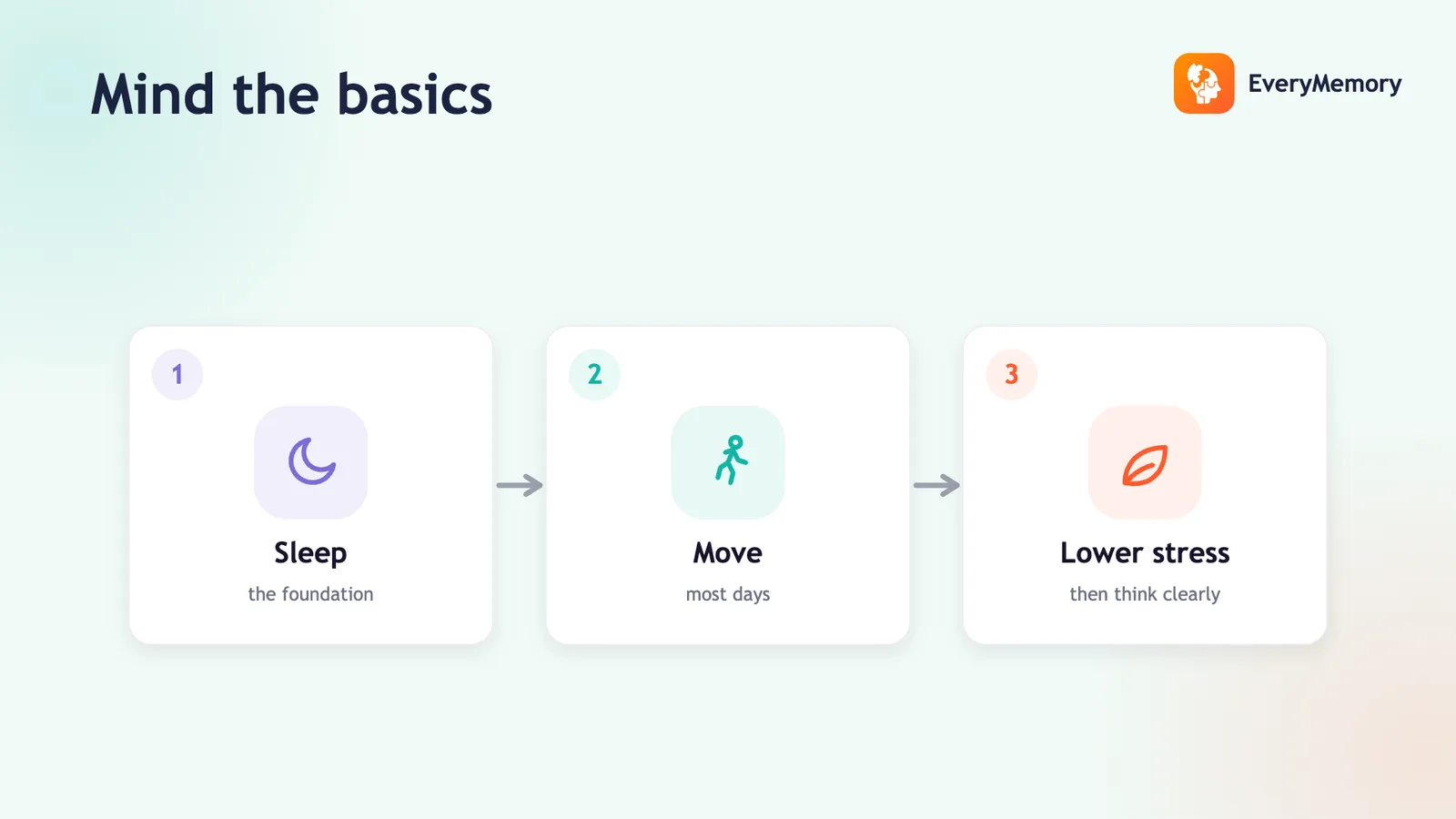
How to Improve Your Mental Performance
Mental performance is set by the basics - sleep, movement, stress - and sharpened by training attention and working memory. Protect the foundations, skip the pills.
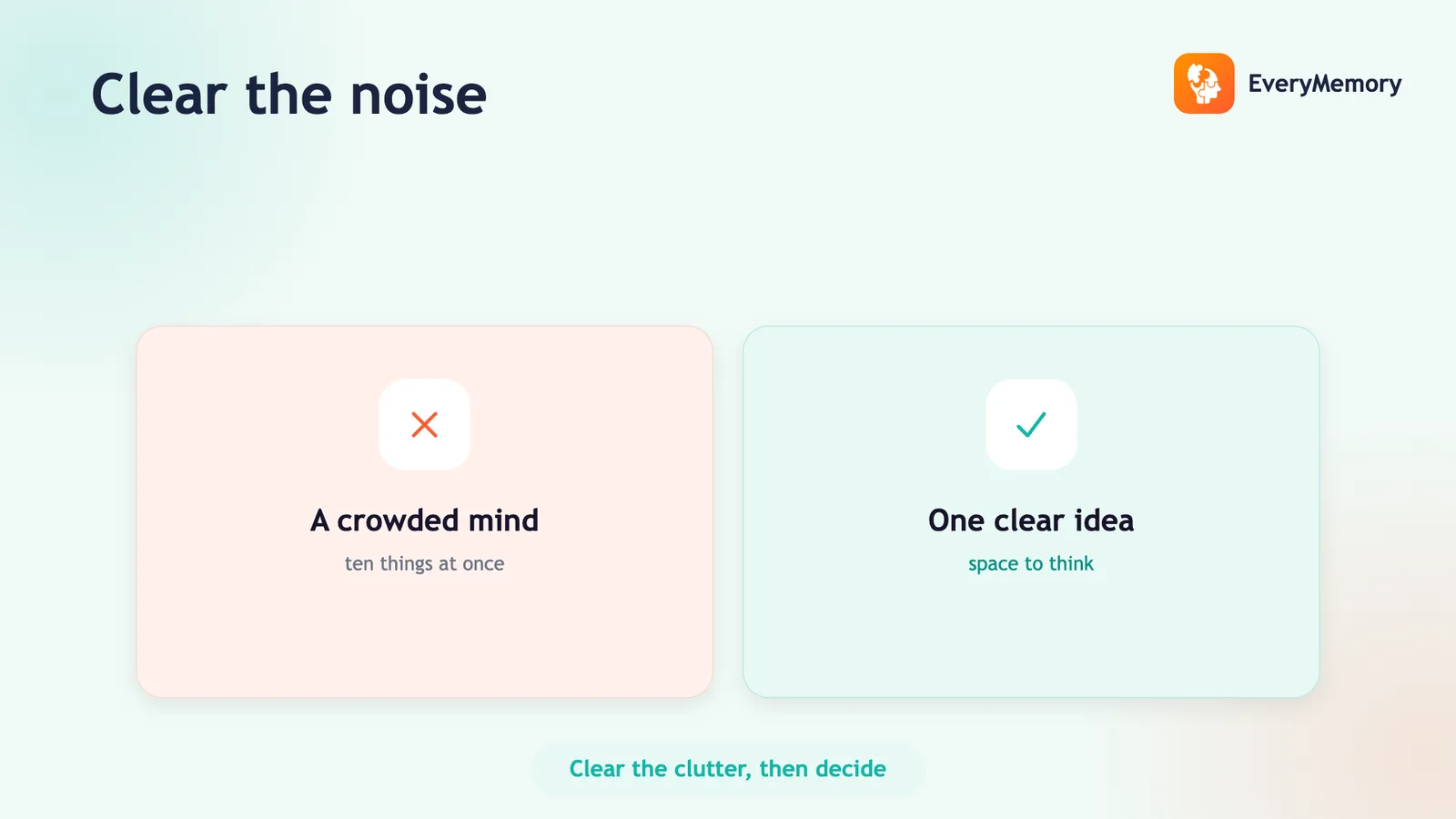
How to Think More Clearly
Clear thinking is less about intelligence and more about conditions. Cut the noise, offload working memory, take one thing at a time, and slow down on decisions.

Brain Training Apps Compared: How to Judge Them
A criteria-led way to compare brain training apps - adaptive difficulty, honest tracking, evidence-honest claims and price - instead of trusting marketing.
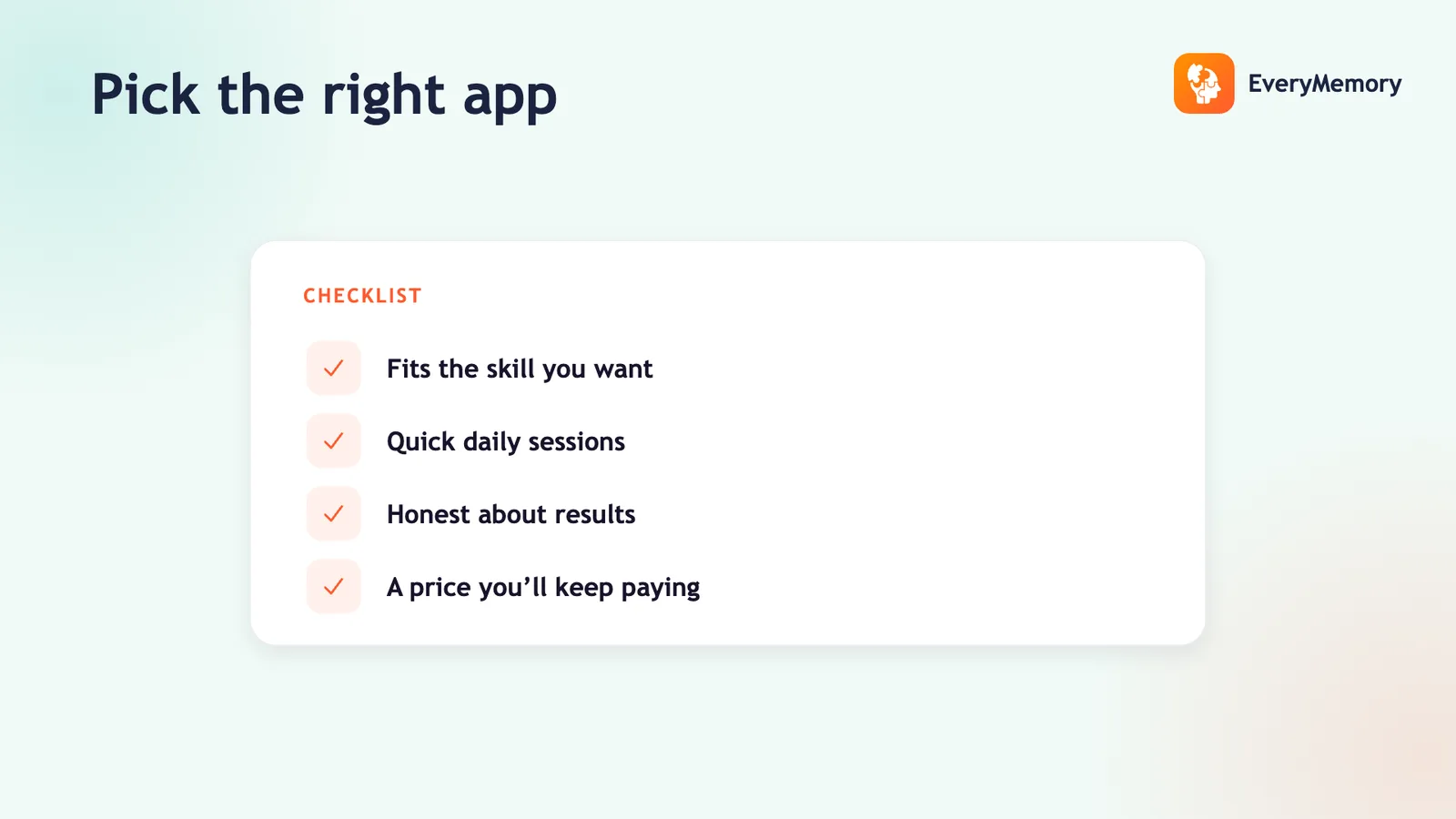
How to Choose a Brain Training App
A step-by-step way to choose a brain training app: define your goal, test whether it adapts, check the tracking is honest, and try it free before paying.

Are Brain Training Apps Worth It?
Brain training apps are worth it for a narrow, honest reason - you get better at what you practise - but not for the broad promises the marketing often makes.
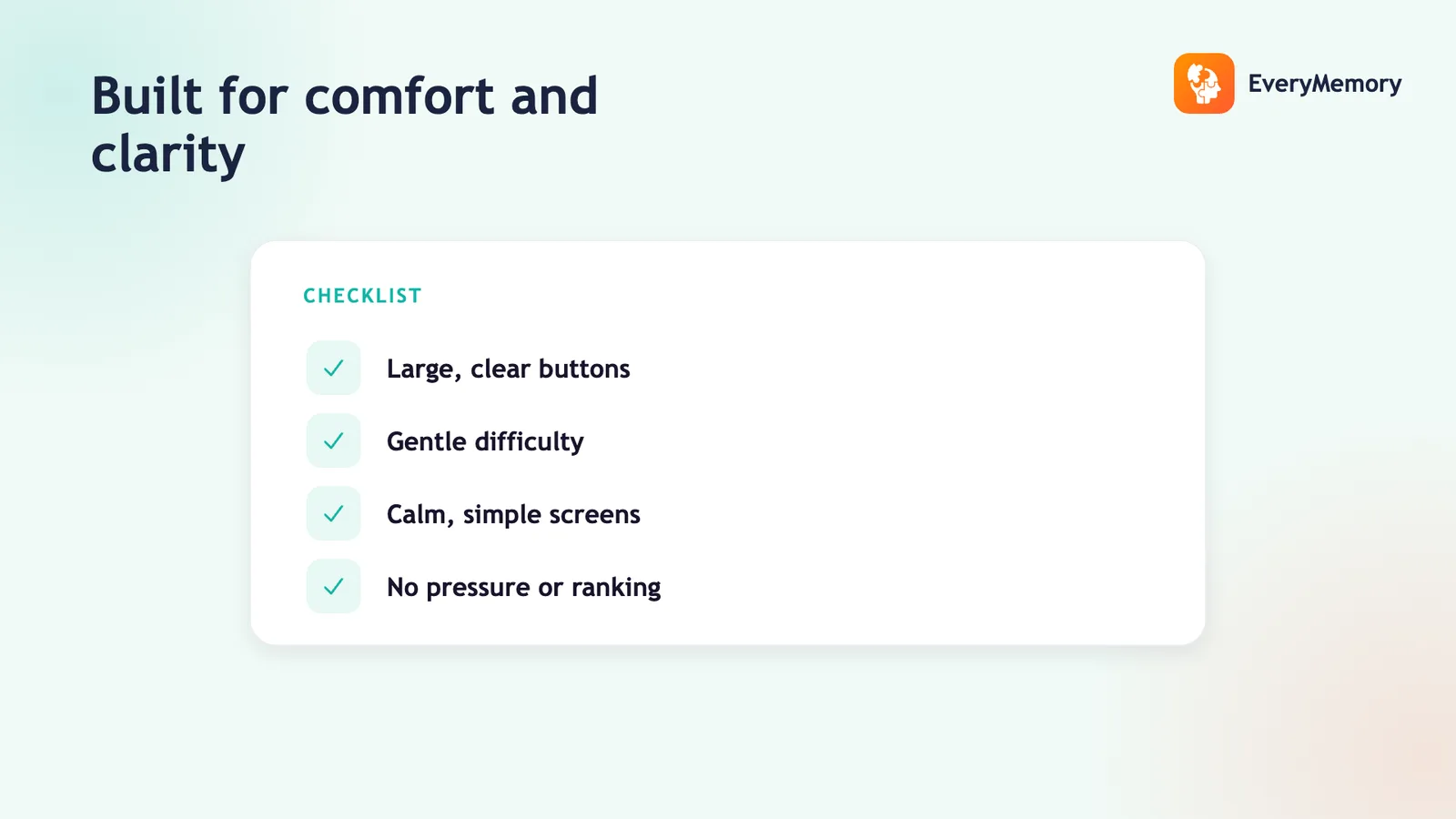
Brain Training Apps for Seniors: What to Look For
What to look for in a brain training app for seniors - large clear controls, gentle adaptive difficulty, honest non-medical claims, and no fear-based marketing.
Brain Apps for Students: What to Look For
What to look for in a brain app as a student - working-memory and focus training, adaptive difficulty, honest claims, and a free tier that fits a tight budget.
Paid vs Free Brain Training Apps
Paid vs free brain training apps: free covers the core training for most people, while paid mainly adds variety, tracking, and convenience - here's how to decide.
What Makes a Good Brain Training App
A good brain training app adapts difficulty to you, tracks your own baseline, makes honest non-medical claims, and is free to try - here's the full standard.
Screen Time and Memory
Screen time rarely damages memory directly, but the way we use screens - fragmented attention, shallow encoding, and lost sleep - quietly weakens how well things get remembered.
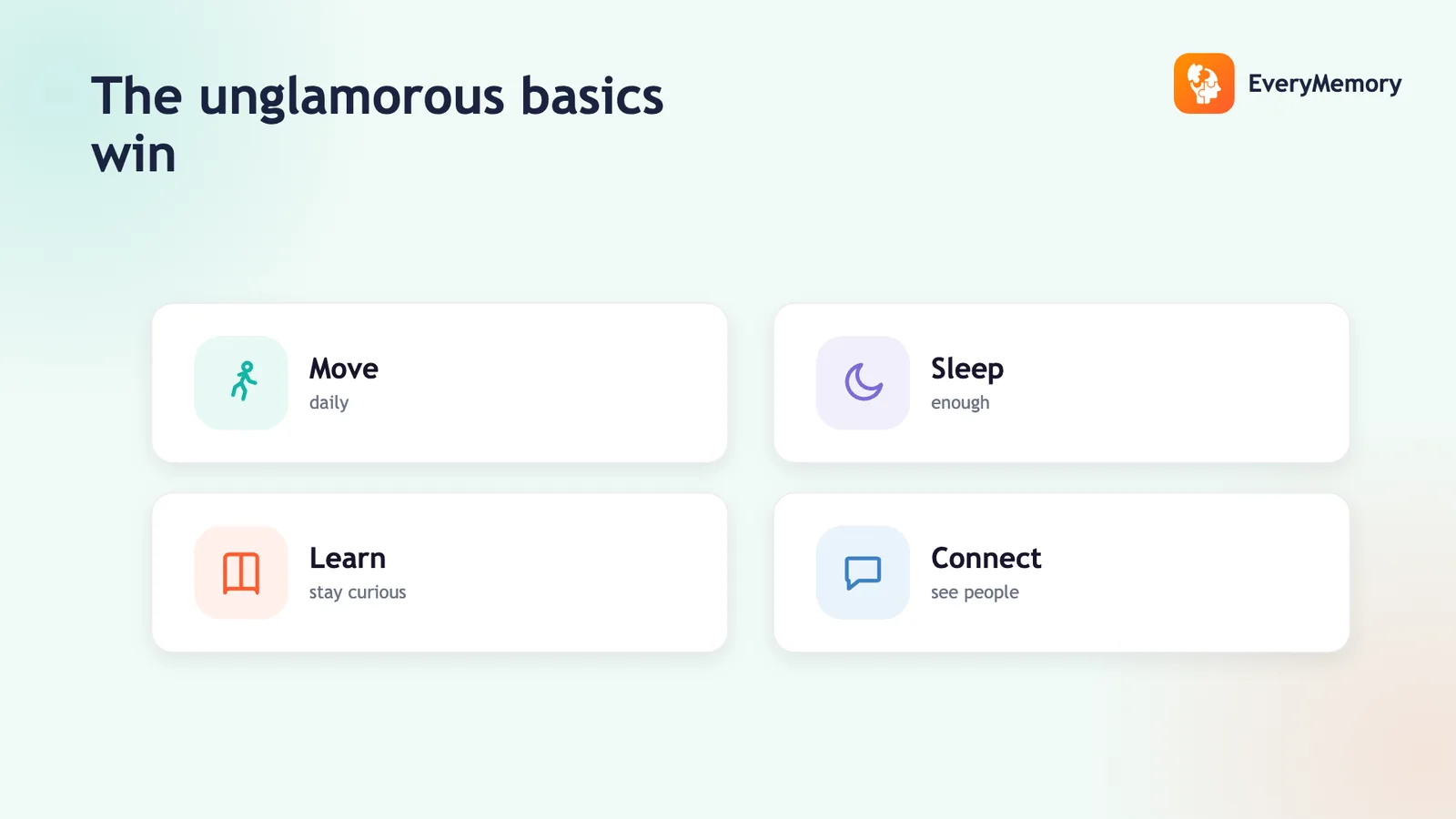
How to Keep Your Brain Young
Keeping your brain feeling young is mostly the unglamorous basics done consistently - movement, sleep, learning, and social contact - not supplements or one clever trick.
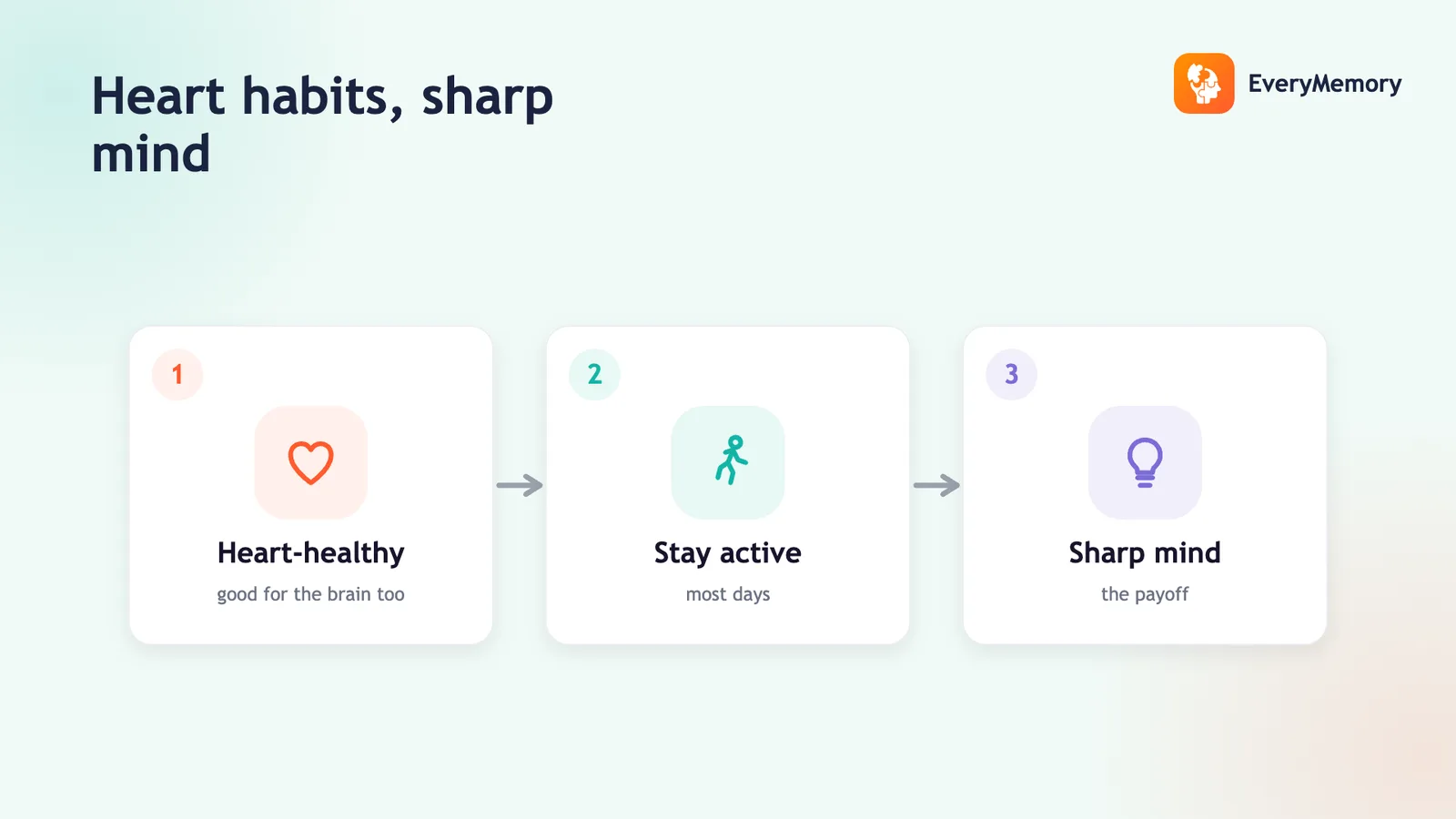
Brain Health After 50
After 50, some changes in speed and word-finding are a normal part of aging - and the same lifestyle habits that protect your heart support a sharp, engaged mind.
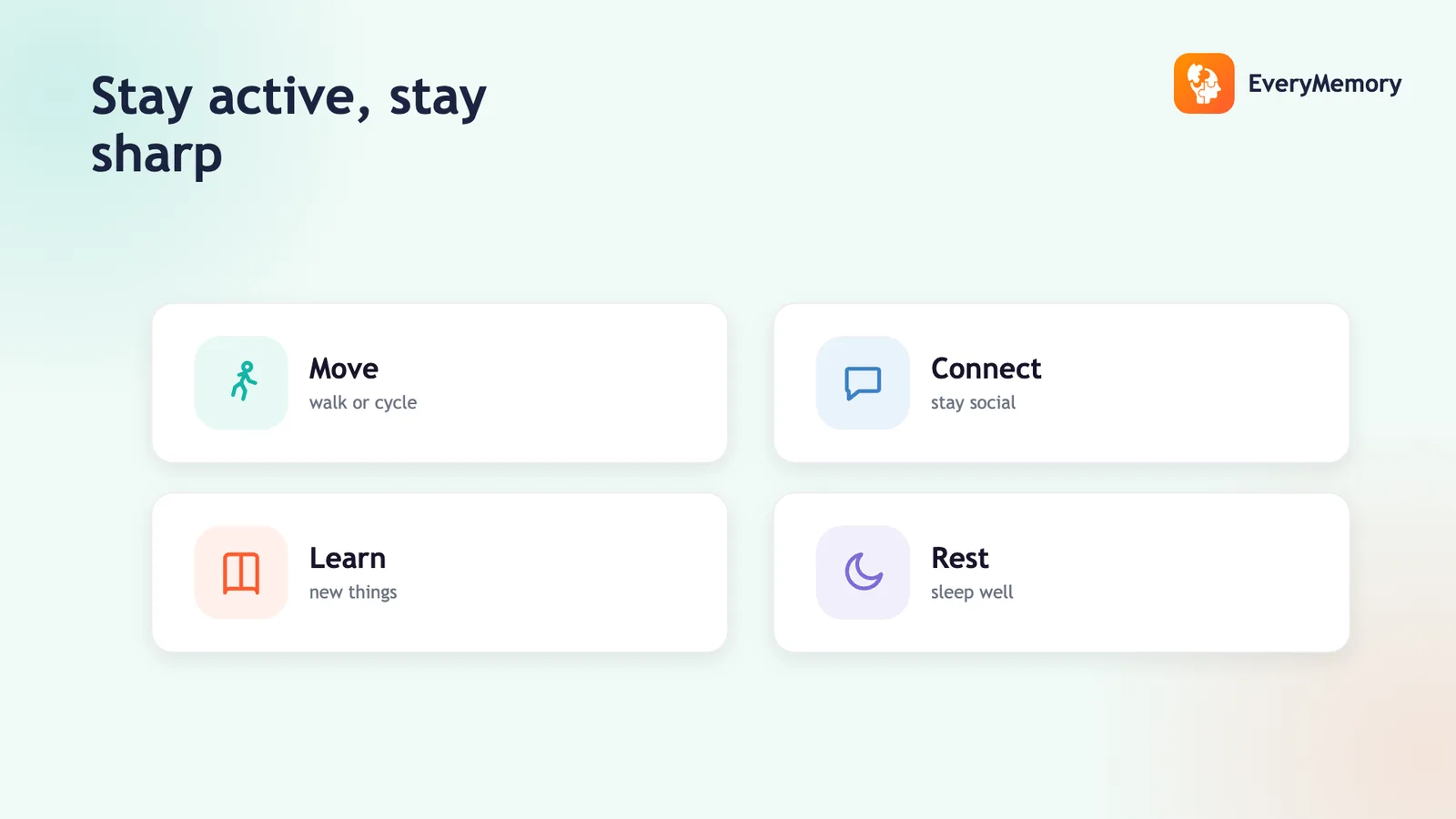
Brain Health After 60
After 60, slower recall and more tip-of-the-tongue moments are common and usually normal - and staying active, social, and mentally engaged supports a sharp mind.
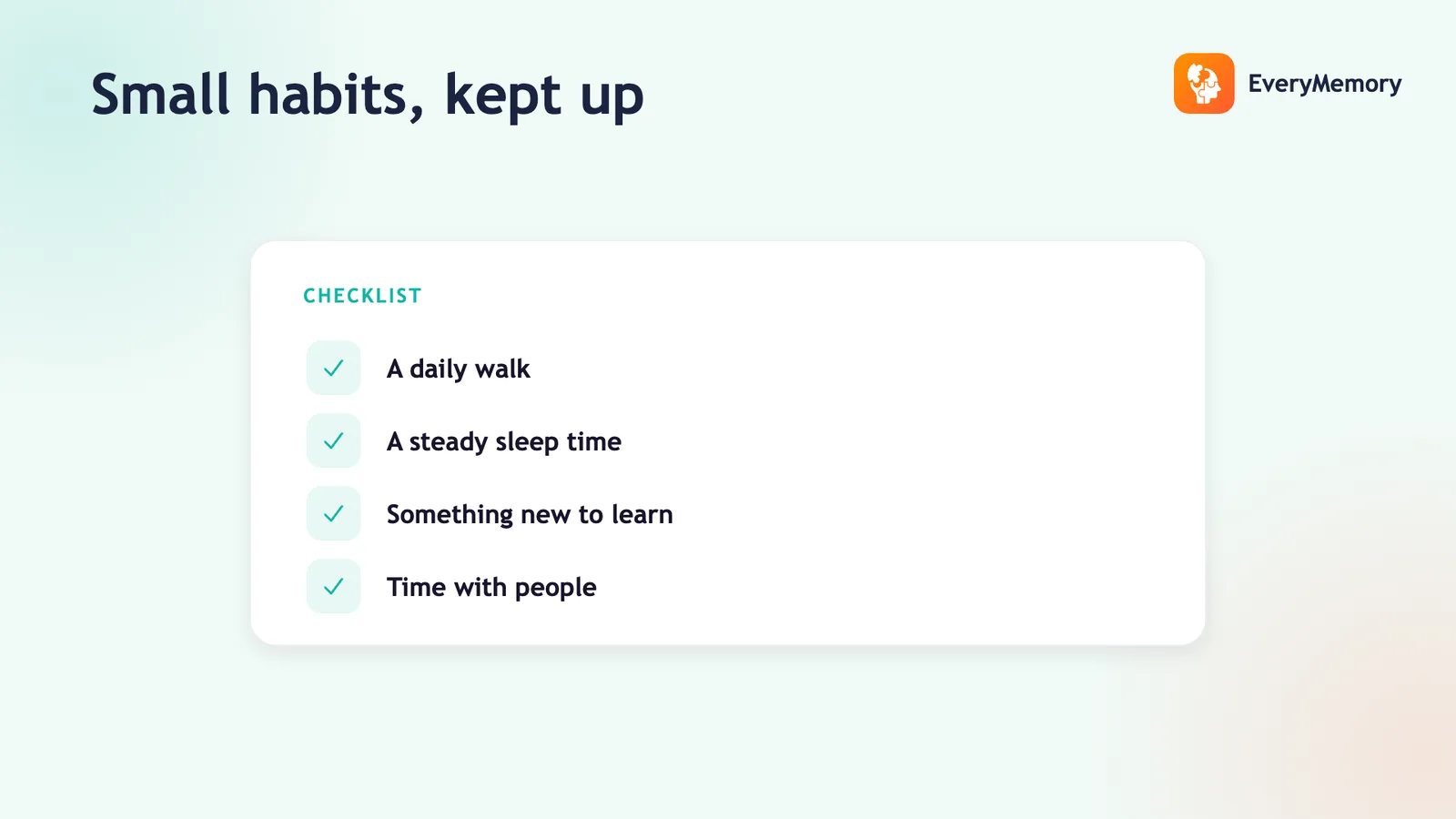
Habits for a Healthy Brain
A healthy brain comes from a handful of ordinary habits kept up consistently - movement, sleep, learning, connection, and stress management - not from any single product or hack.
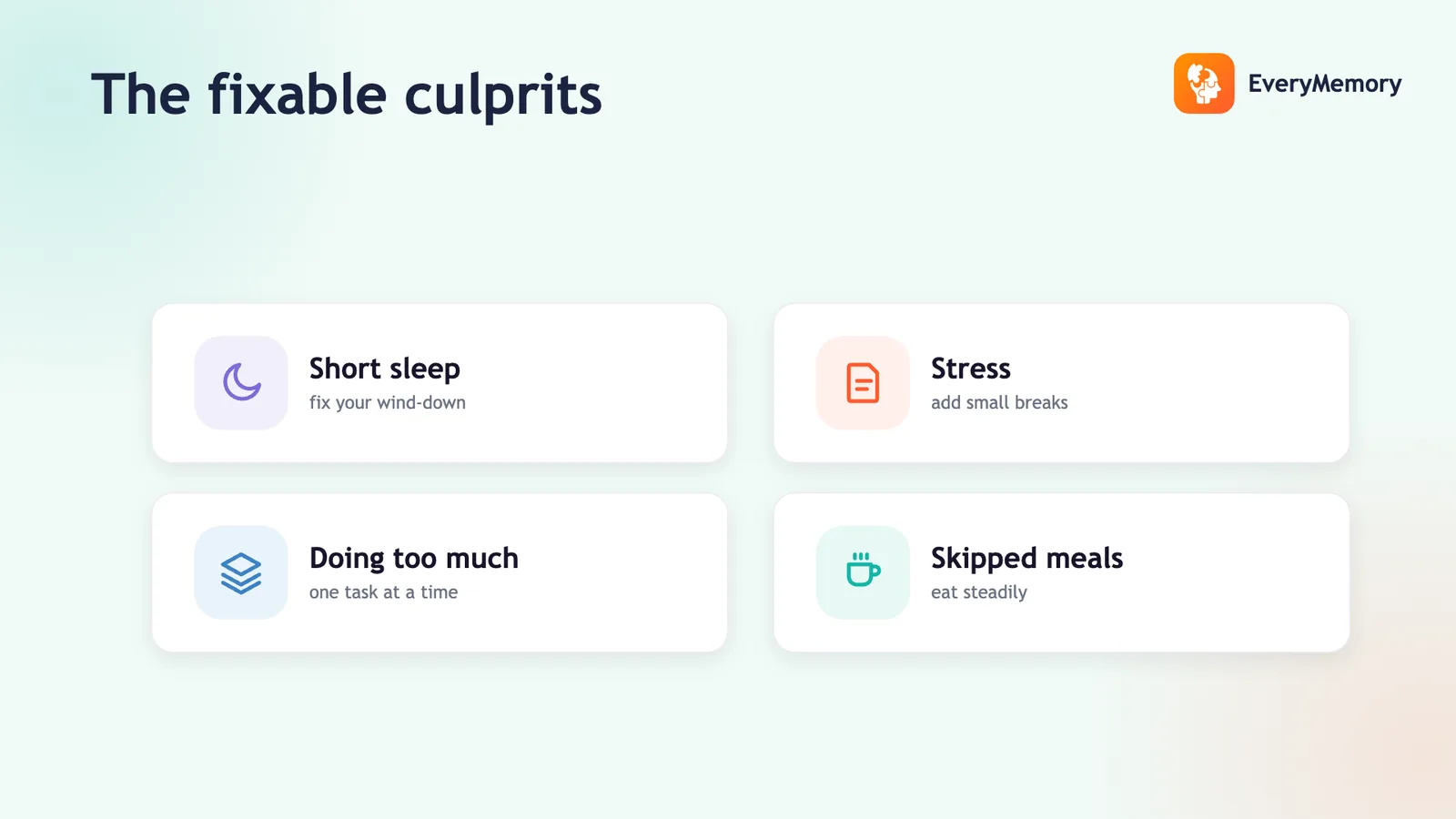
What Harms Your Memory? Common Culprits
Most everyday memory lapses trace back to a few fixable culprits - poor sleep, chronic stress, split attention, and skipped meals - far more often than to anything serious.
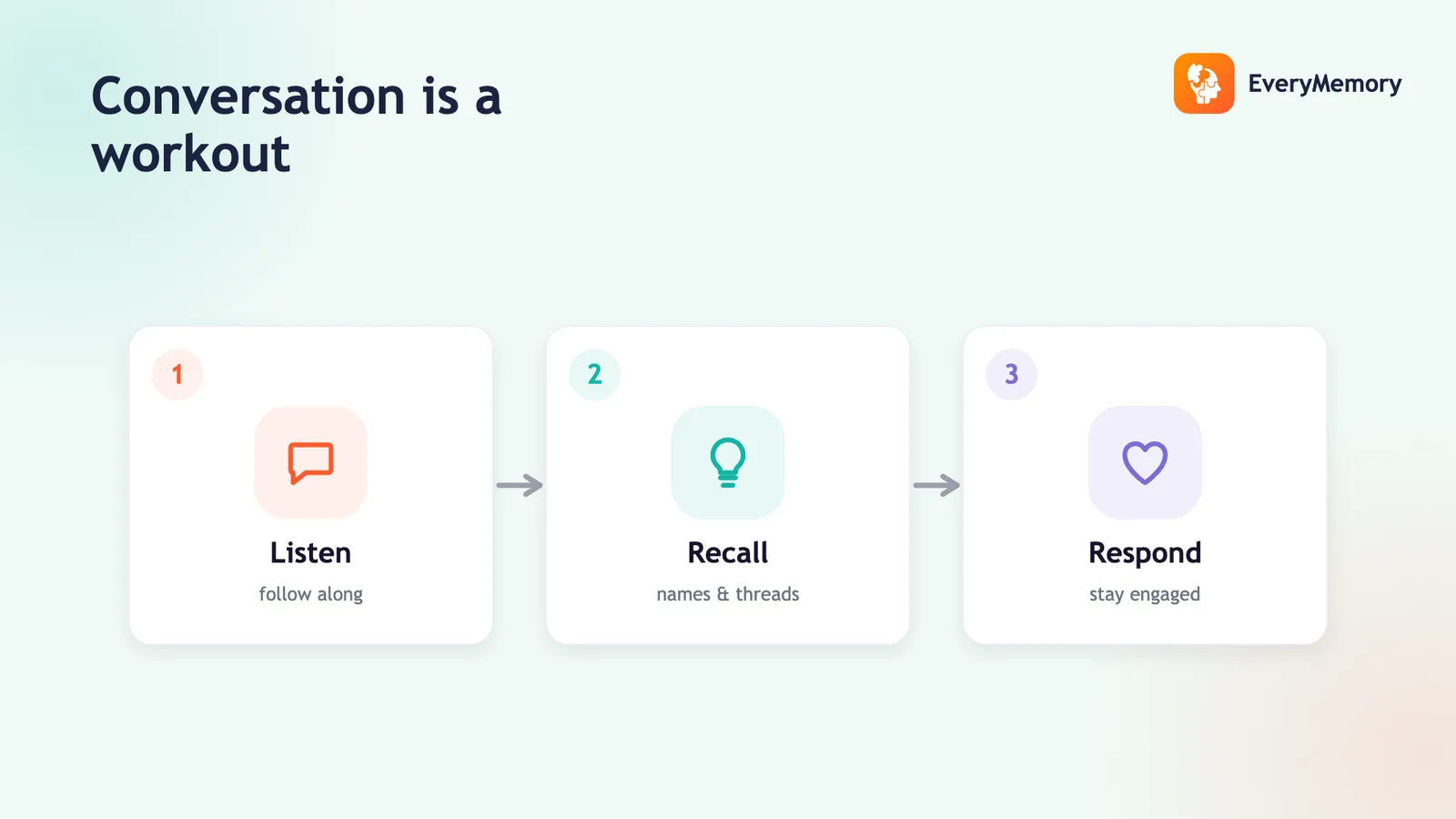
Social Connection and Memory
Conversation is one of the most demanding mental workouts there is, and regular social contact is consistently linked with sharper thinking and better mood.

Mental Stimulation and Memory
Mental stimulation supports memory when it's genuinely novel and challenging - learning new things stretches the brain in ways that repeating familiar puzzles can't.
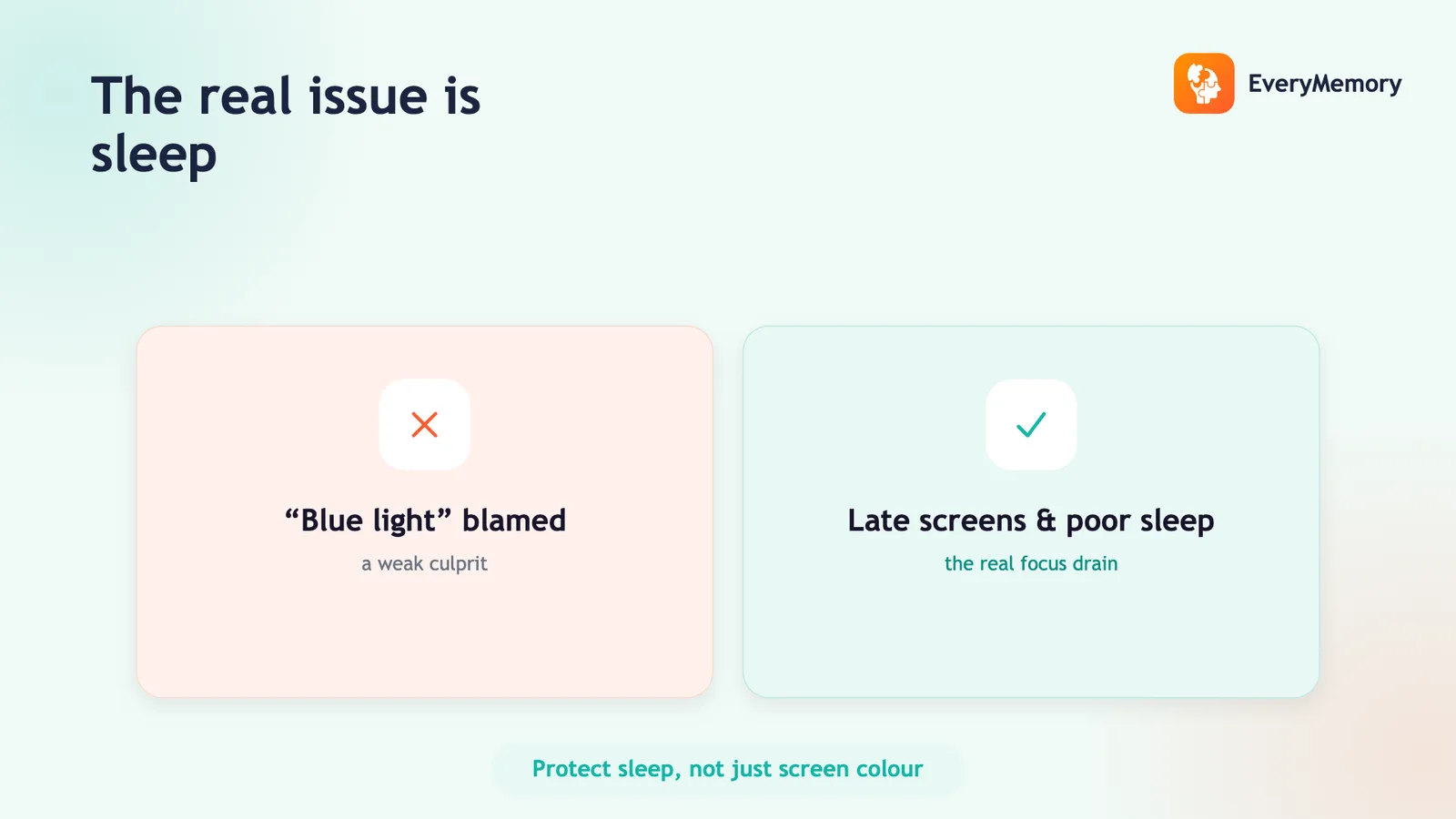
Blue Light and Focus: What's Actually True
The evidence that blue light directly harms your brain or focus is weak - the real problems with evening screens are disrupted sleep and fragmented attention, not the wavelength.
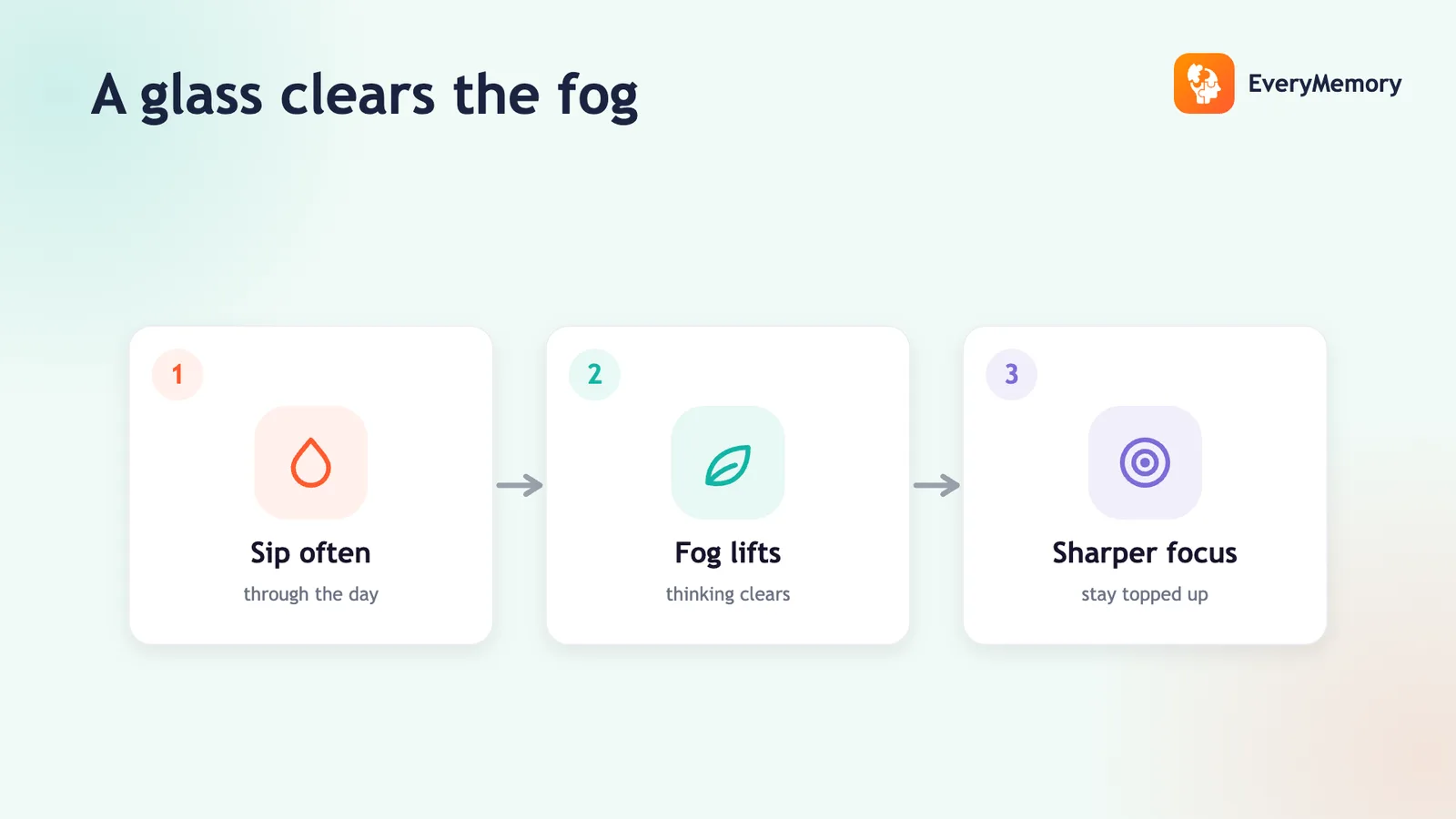
Hydration and Brain Function
Even mild dehydration is linked with poorer concentration and a slower, foggier feeling - staying hydrated is a small, real lever on day-to-day focus and memory.
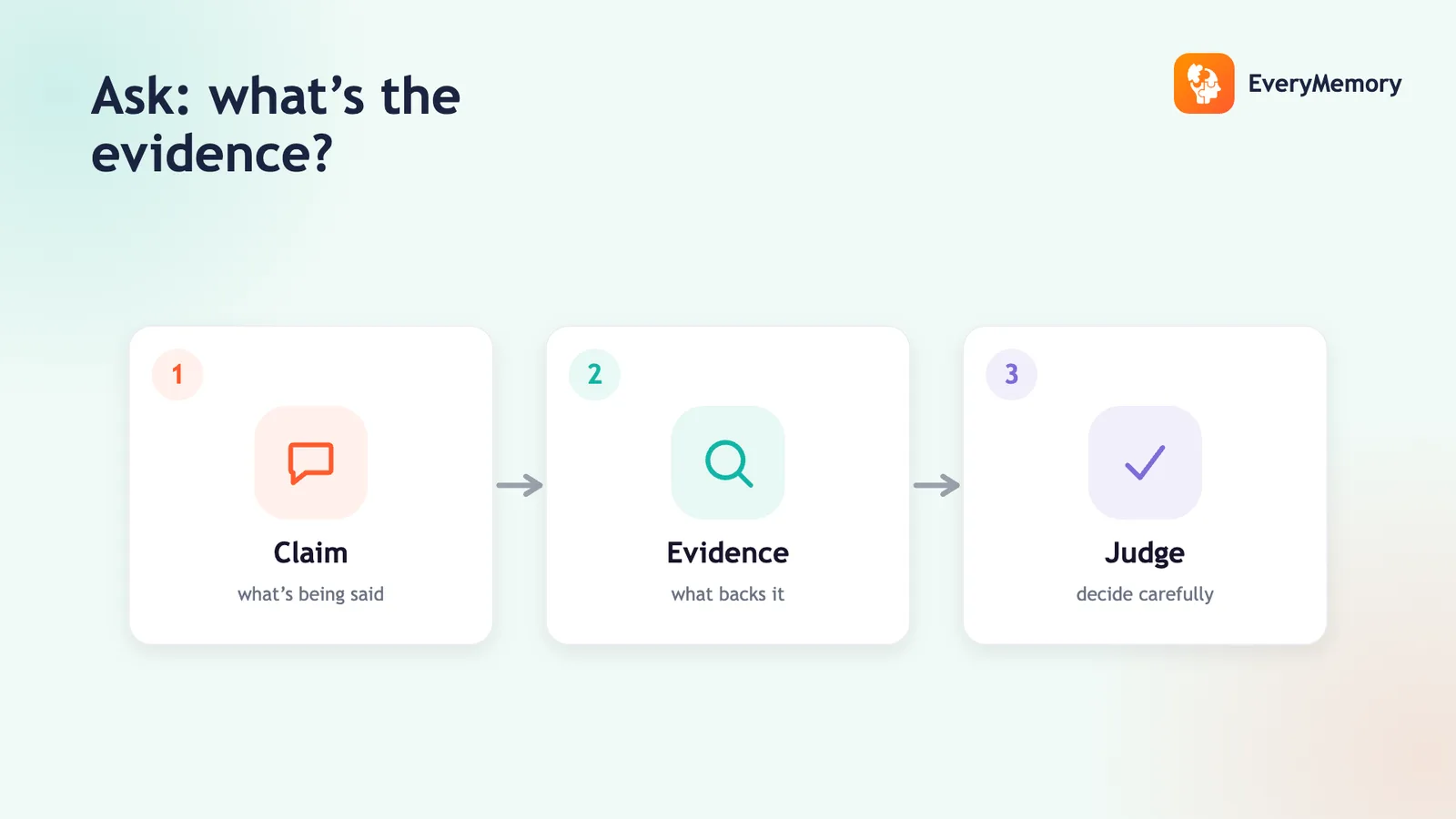
How to Improve Critical Thinking
Critical thinking is a set of habits - asking what the evidence is, separating claims from facts, and checking your own assumptions - that you can deliberately practise.

How to Improve Your Problem-Solving Skills
Good problem-solving is a repeatable process - define the problem, break it down, generate options, test them - not a flash of inspiration you wait around for.

How to Be Smarter (Practically)
You can't reliably raise your IQ, but you can become noticeably more effective by sharpening specific skills - knowledge, focus, reasoning habits, and clear thinking.

How to Improve Logical Reasoning
Logical reasoning improves when you learn the difference between valid and true, recognise common patterns, and slow down to check each step before drawing a conclusion.
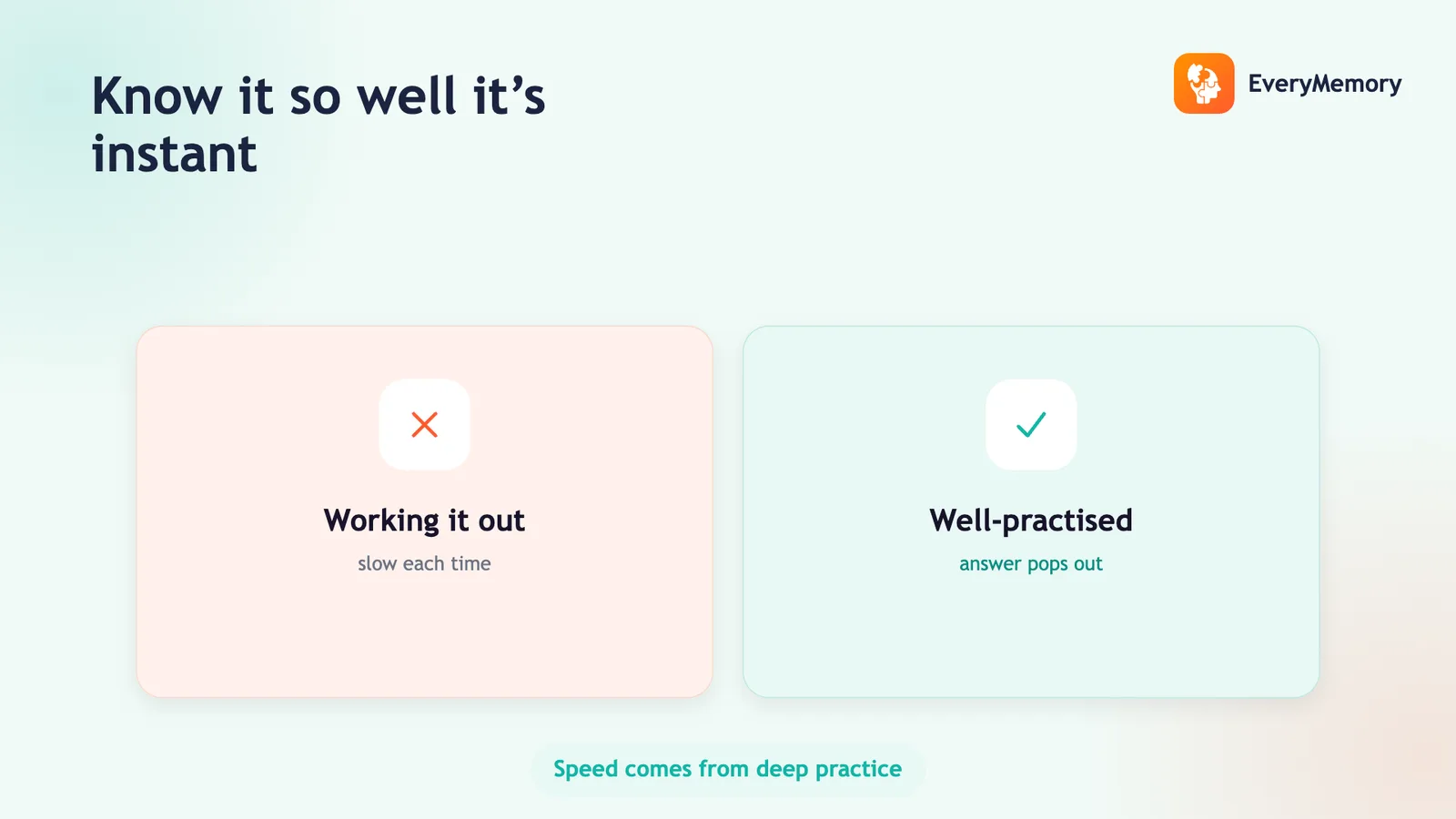
How to Think Faster
Thinking faster comes mostly from knowing your subject so well that answers feel instant - not from raw processing speed you can dial up at will.
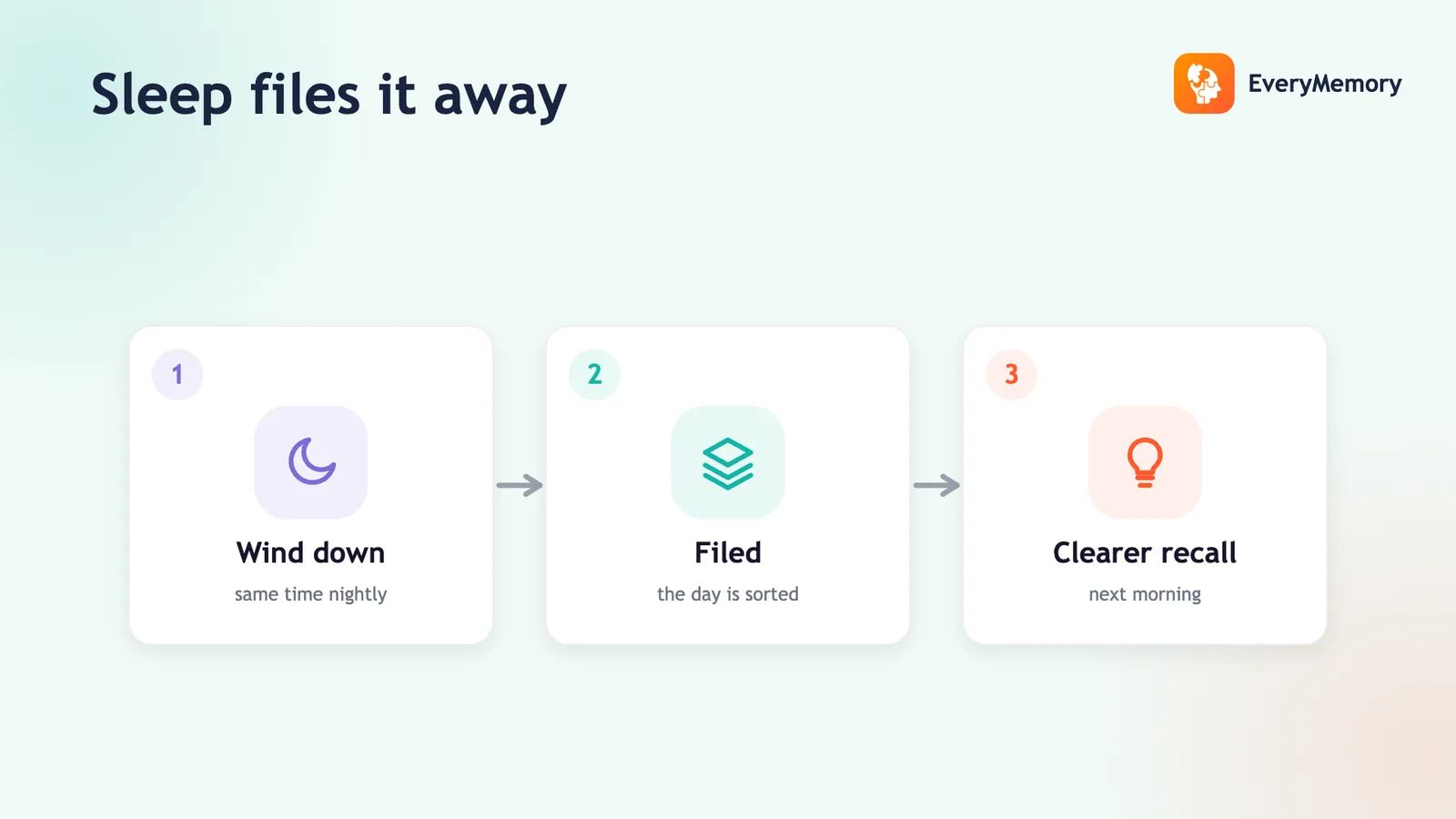
How to Sleep Better for Memory
Sleep is when the brain files away what you learned, so a few steady habits around bedtime can do more for everyday recall than any single trick.
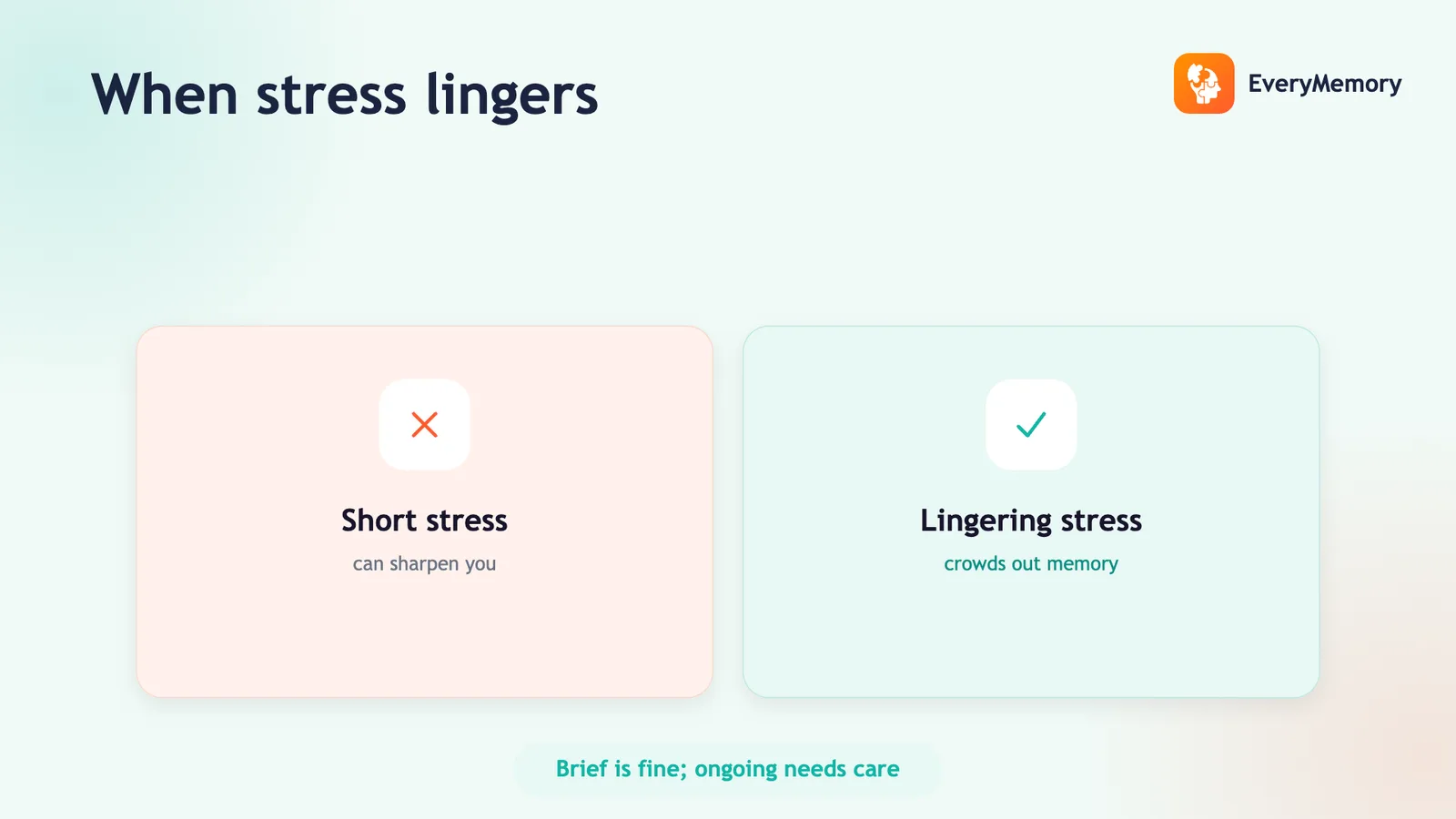
Stress and the Brain
Short bursts of stress can sharpen you, but when it lingers it crowds out the attention memory depends on - here's the honest link and what genuinely helps.
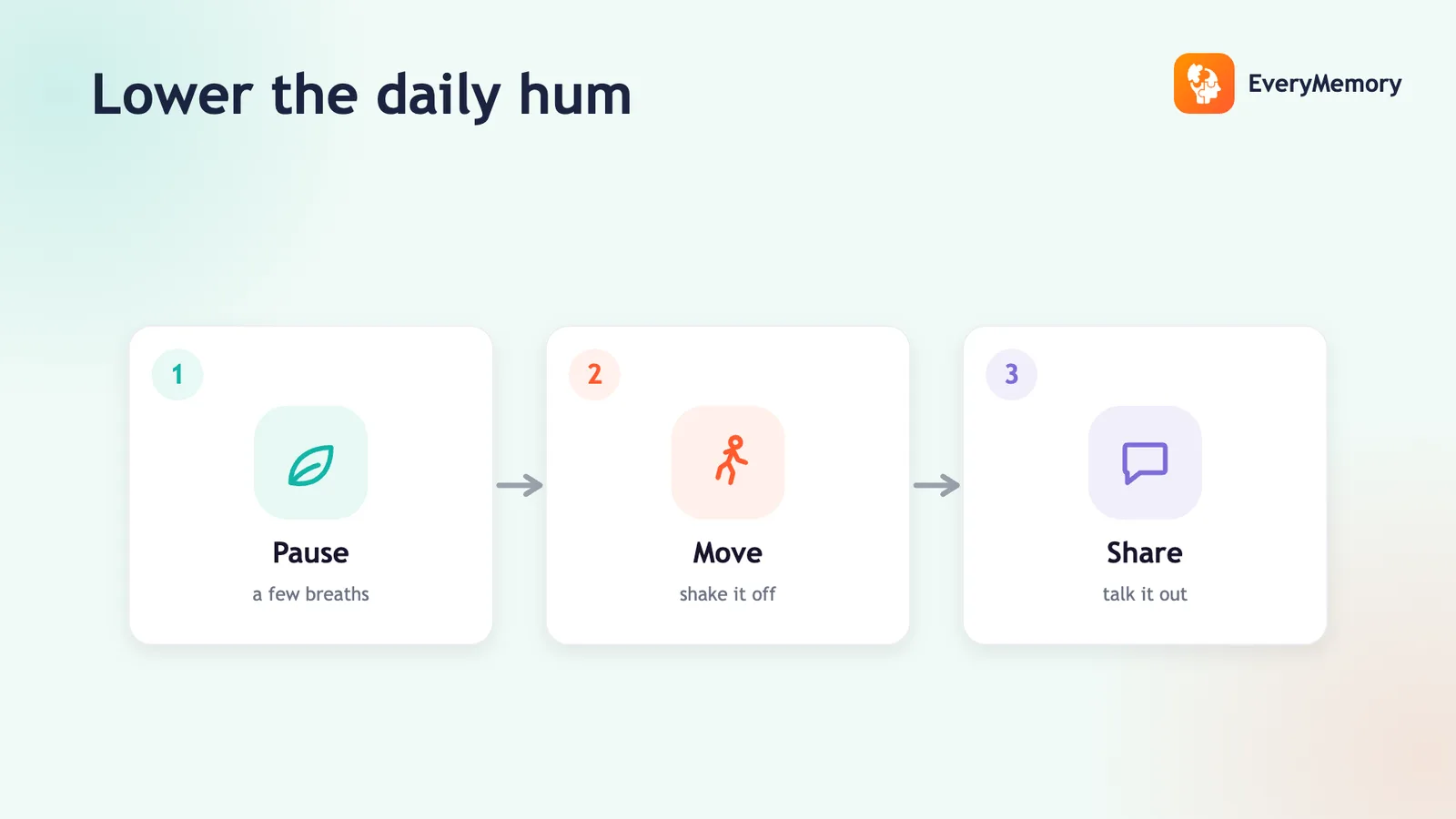
How to Reduce Stress
You can't delete stress, but you can lower the daily hum that crowds out focus - these are simple, everyday techniques that give attention and memory more room.
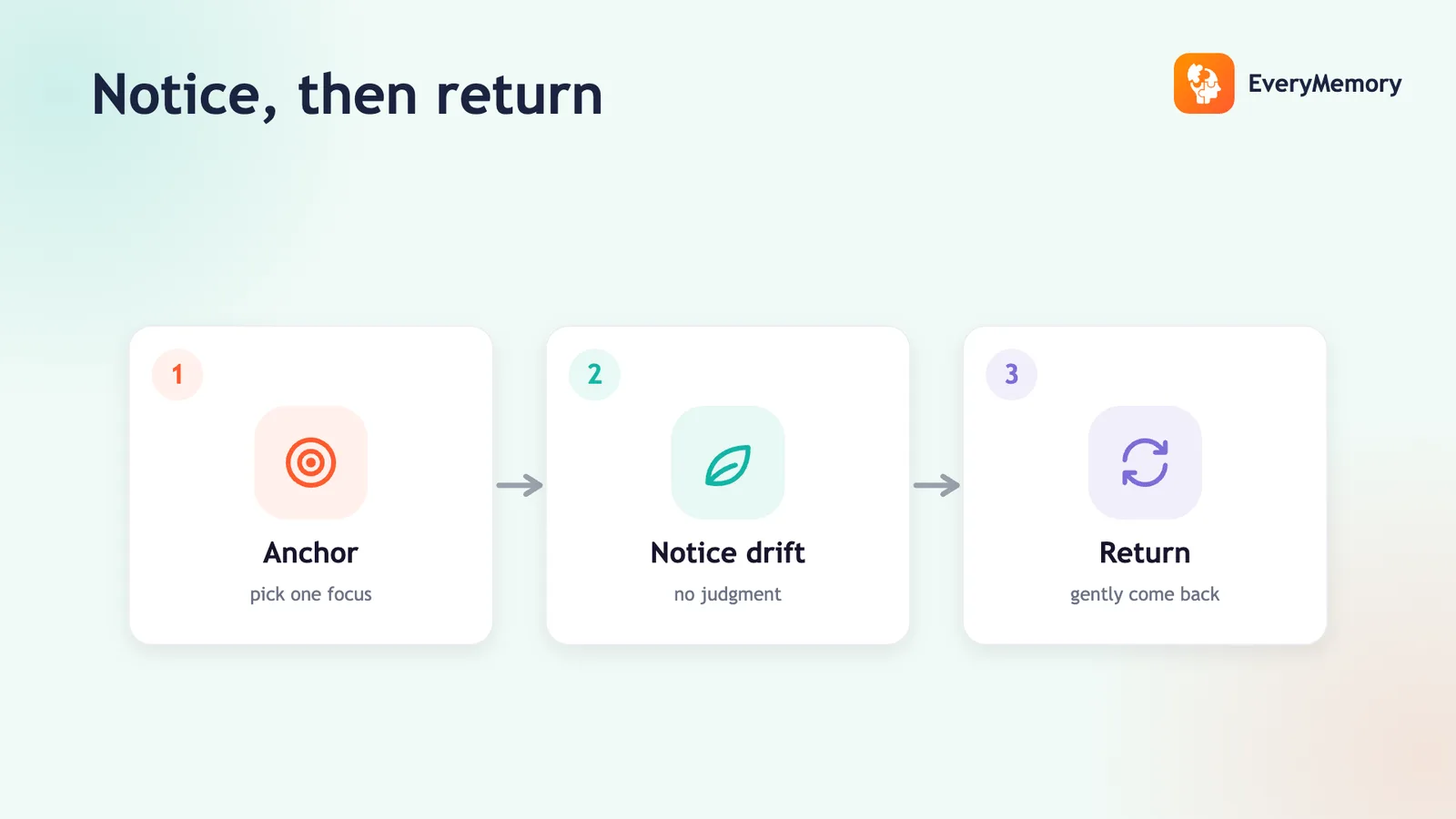
Mindfulness for Focus
Mindfulness is really attention practice - noticing when your mind wanders and steering it back - and that one simple move is the foundation of clear, steady focus.
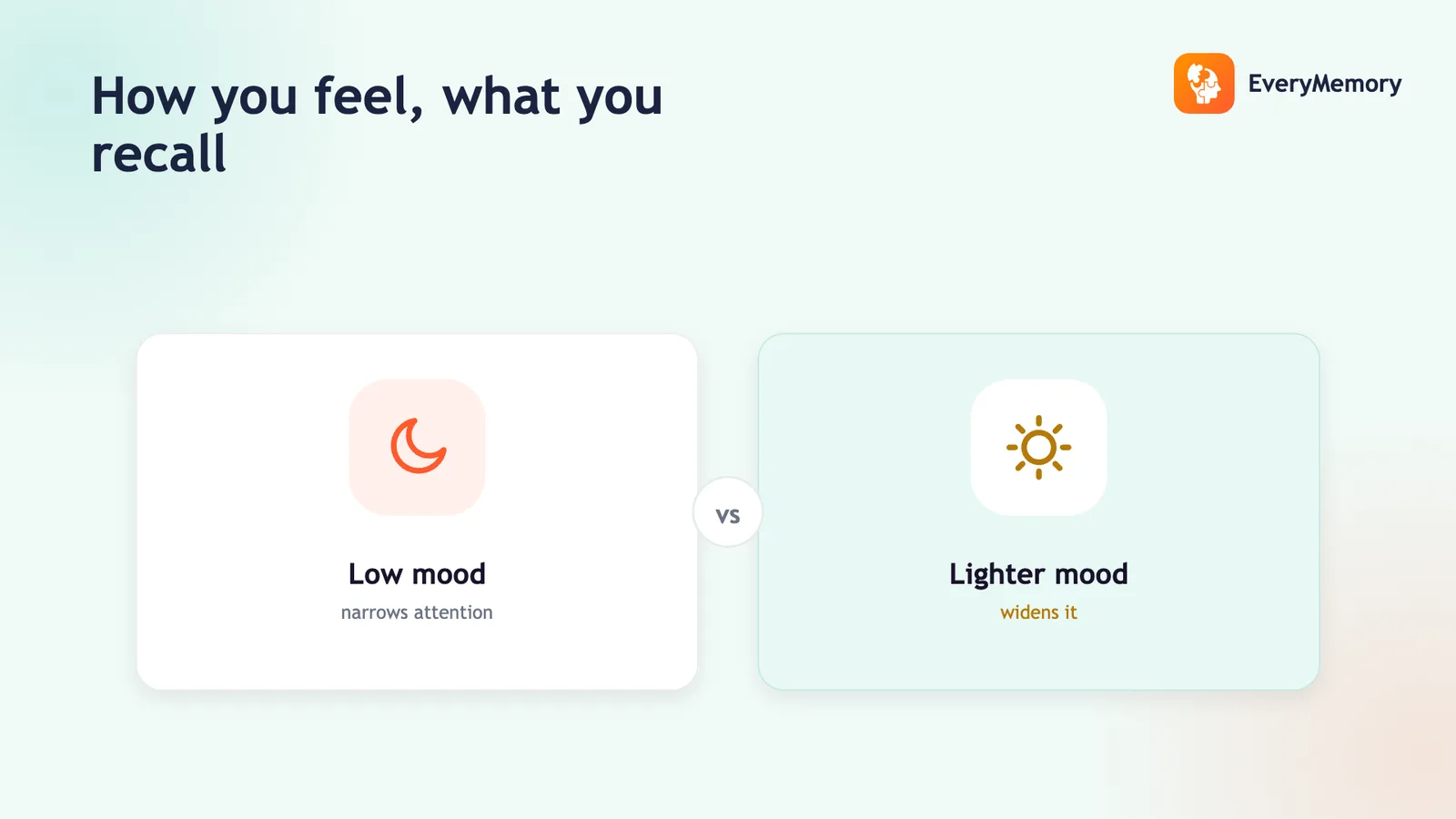
Mood and Memory
How you feel quietly shapes what you notice and recall - low mood narrows attention while a lighter mood widens it, and that has real effects on everyday memory.
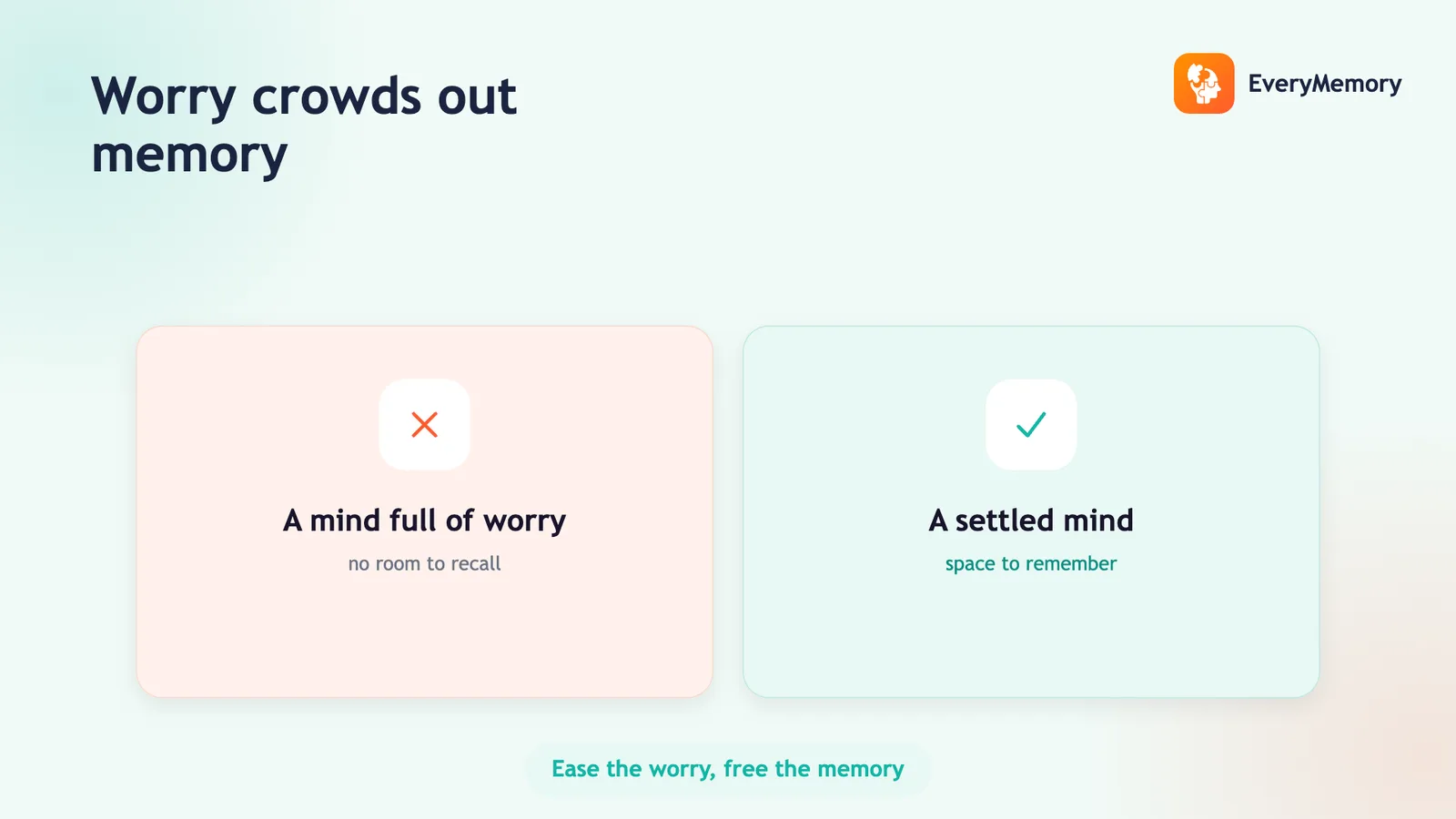
Worry and Forgetfulness
A mind stuck in a worry loop has little attention left for remembering - which is why anxious stretches so often come with everyday forgetfulness that eases when the worry does.
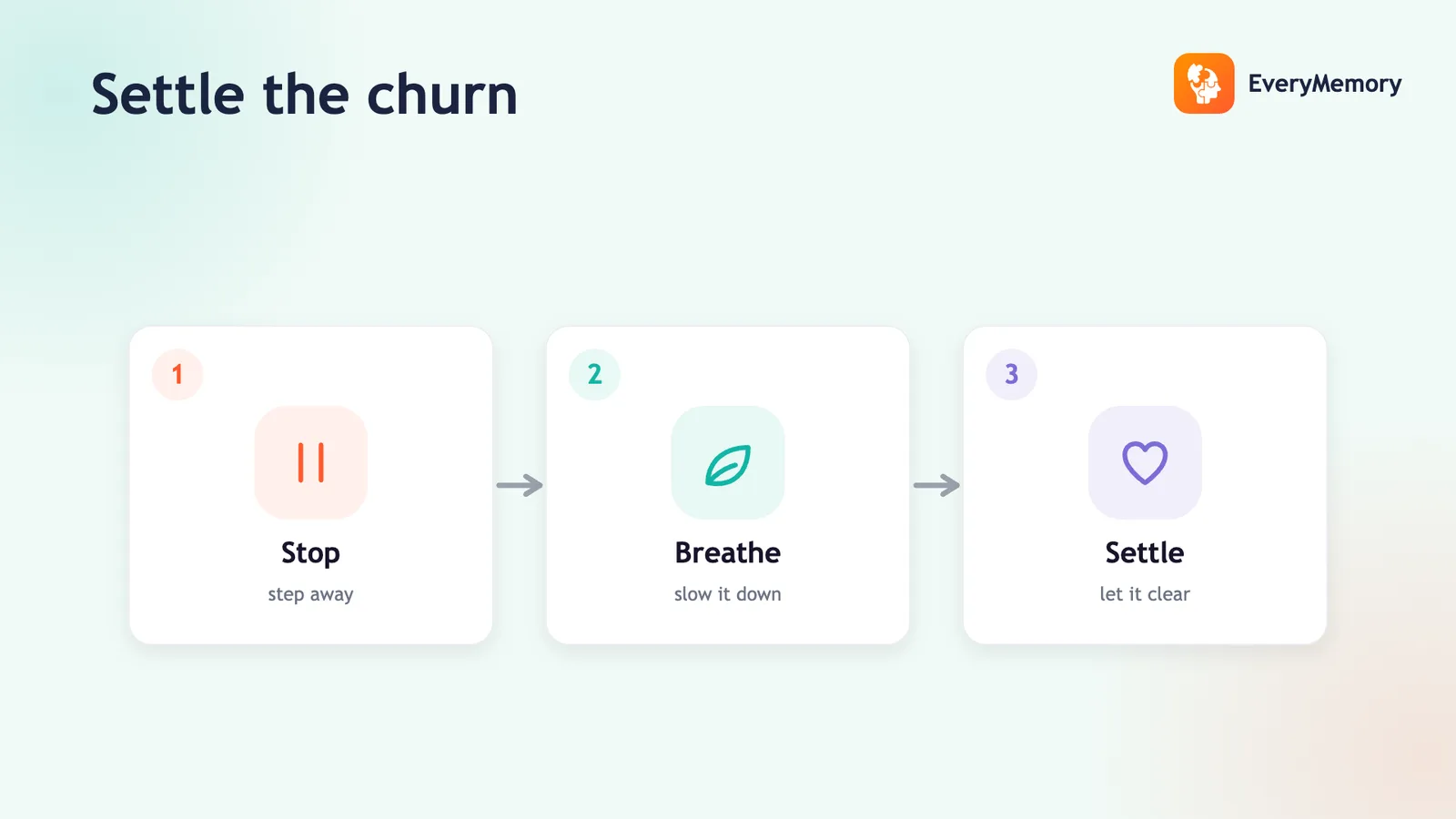
How to Relax Your Mind
A relaxed mind isn't an empty one - it's a mind that's stopped racing - and a few simple practices can settle the churn that crowds out focus and memory.
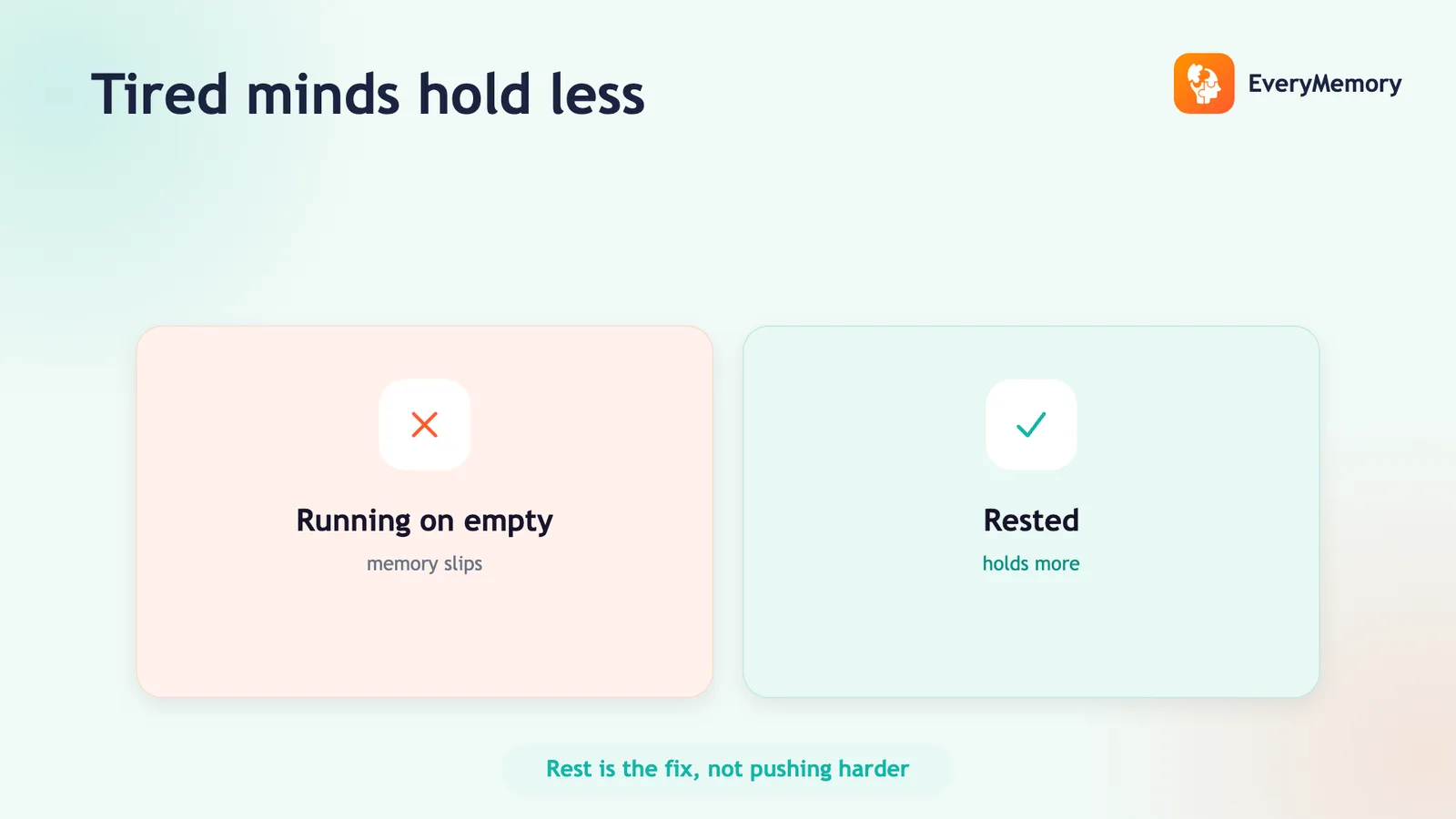
Mental Fatigue and Memory
When your mind is worn out, encoding falters and everything feels harder to hold - mental fatigue is a real drain on memory, and the fix is usually rest, not effort.
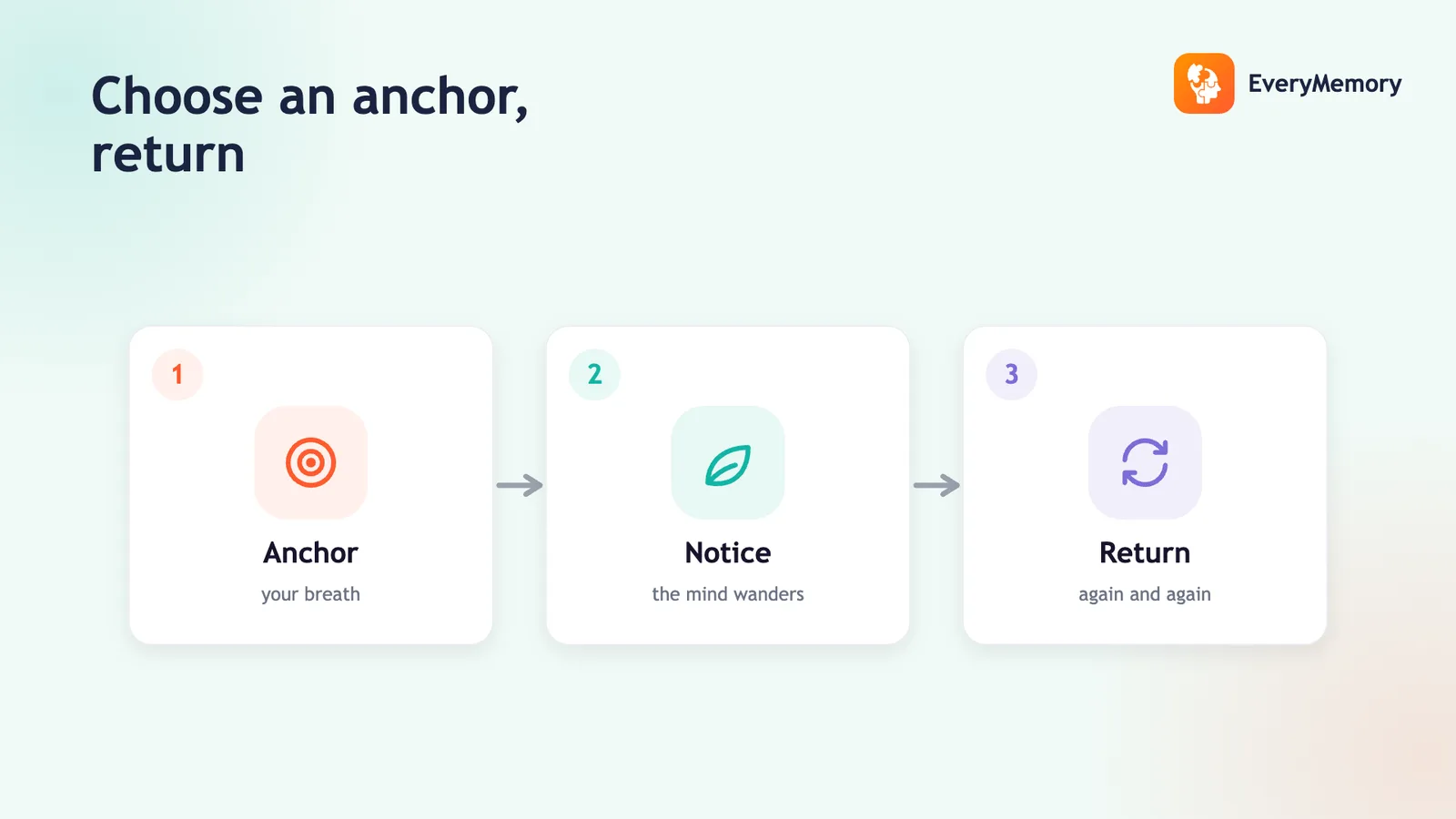
How Meditation Helps Focus
Meditation is focus practice with the noise removed - you choose an anchor, your mind drifts, you return - and that repeated return is what trains steadier attention.
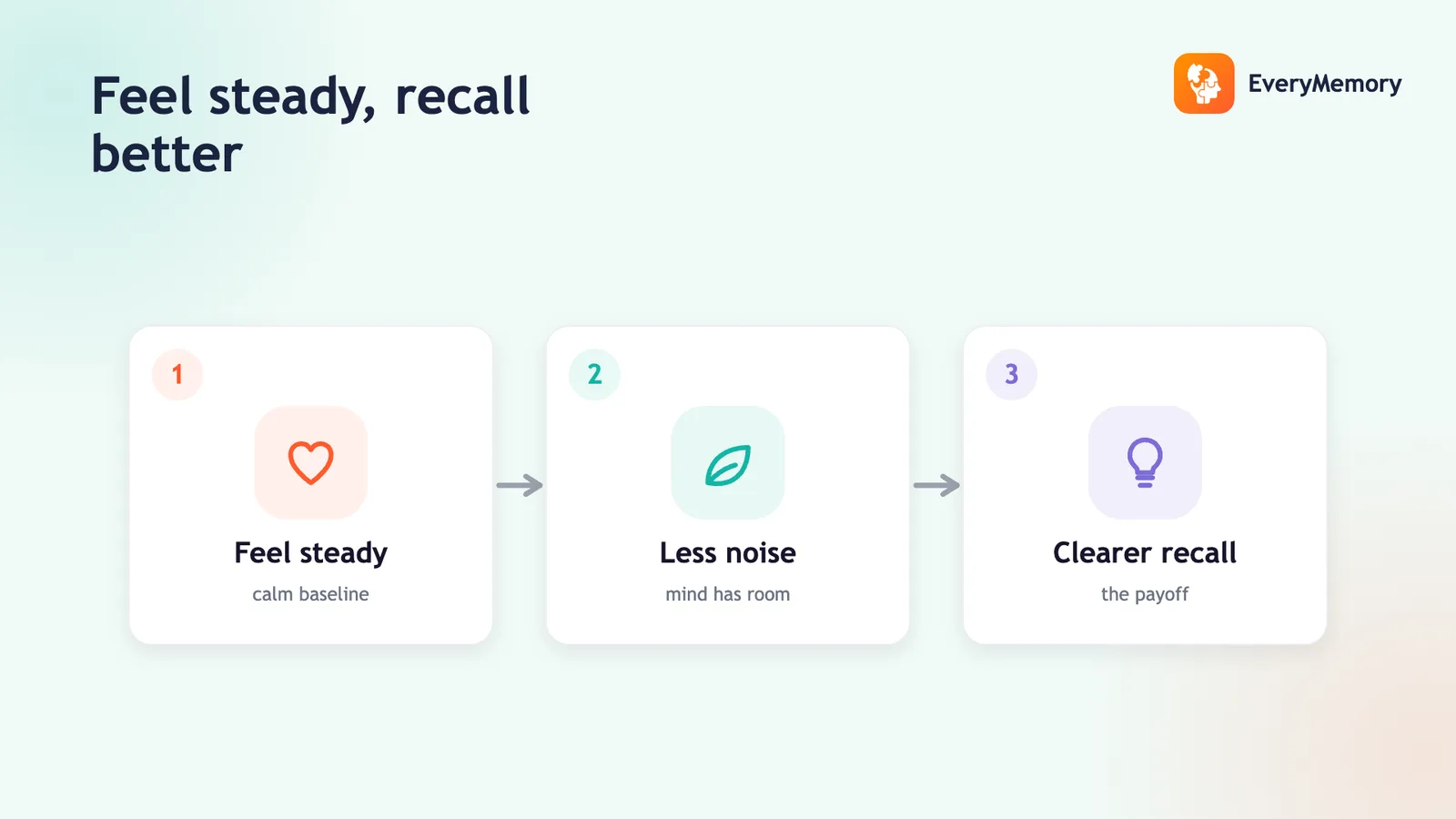
Emotional Wellbeing and Memory
How you feel and how well you remember are quietly linked - steady emotional wellbeing gives attention room to work, and looking after it supports everyday memory.
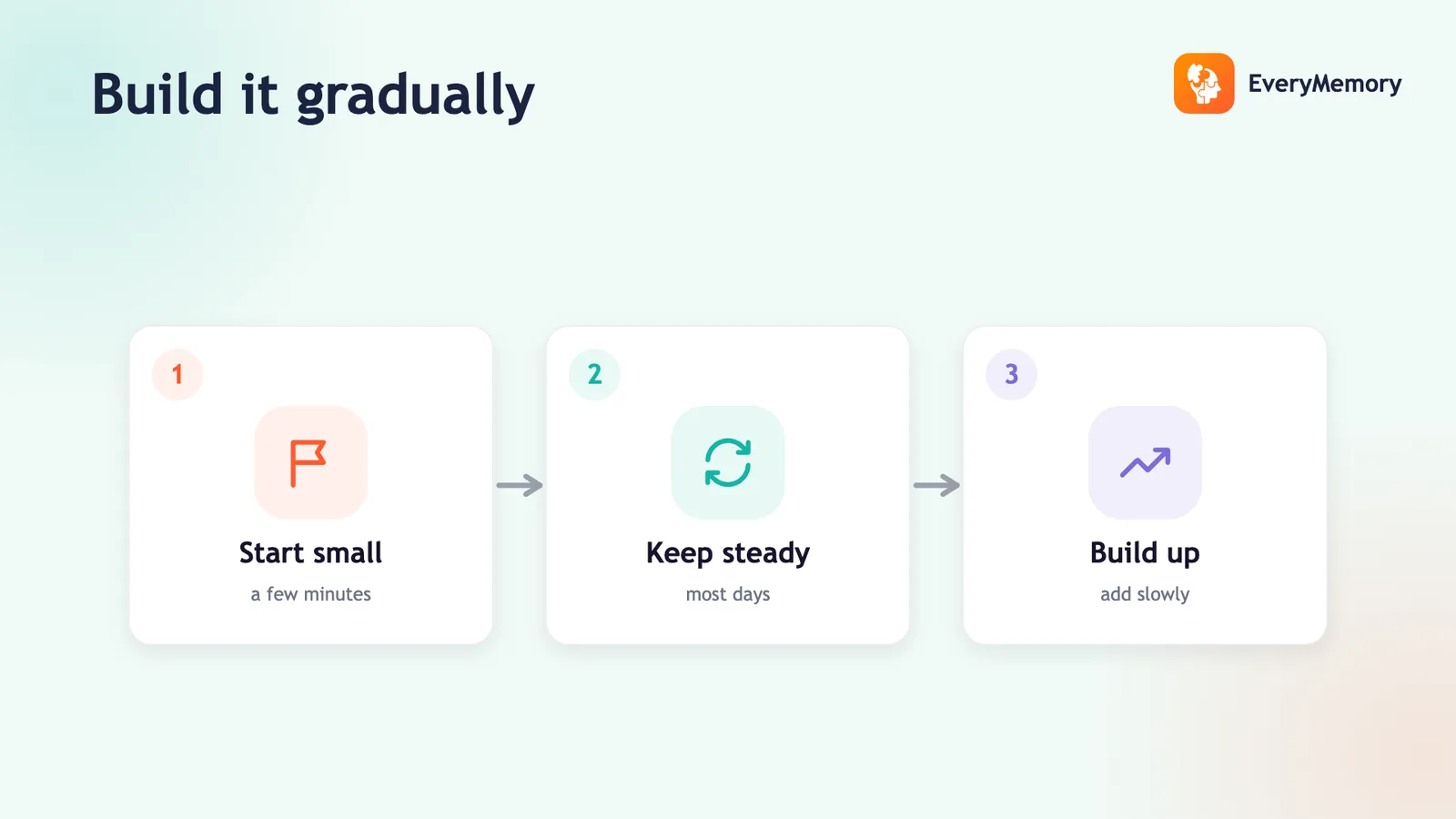
Mental Fitness: What It Is and How to Build It
Mental fitness is a mix of trainable skills like attention and working memory plus the everyday habits that keep them well supplied - and you build it the way you build any fitness, gradually.
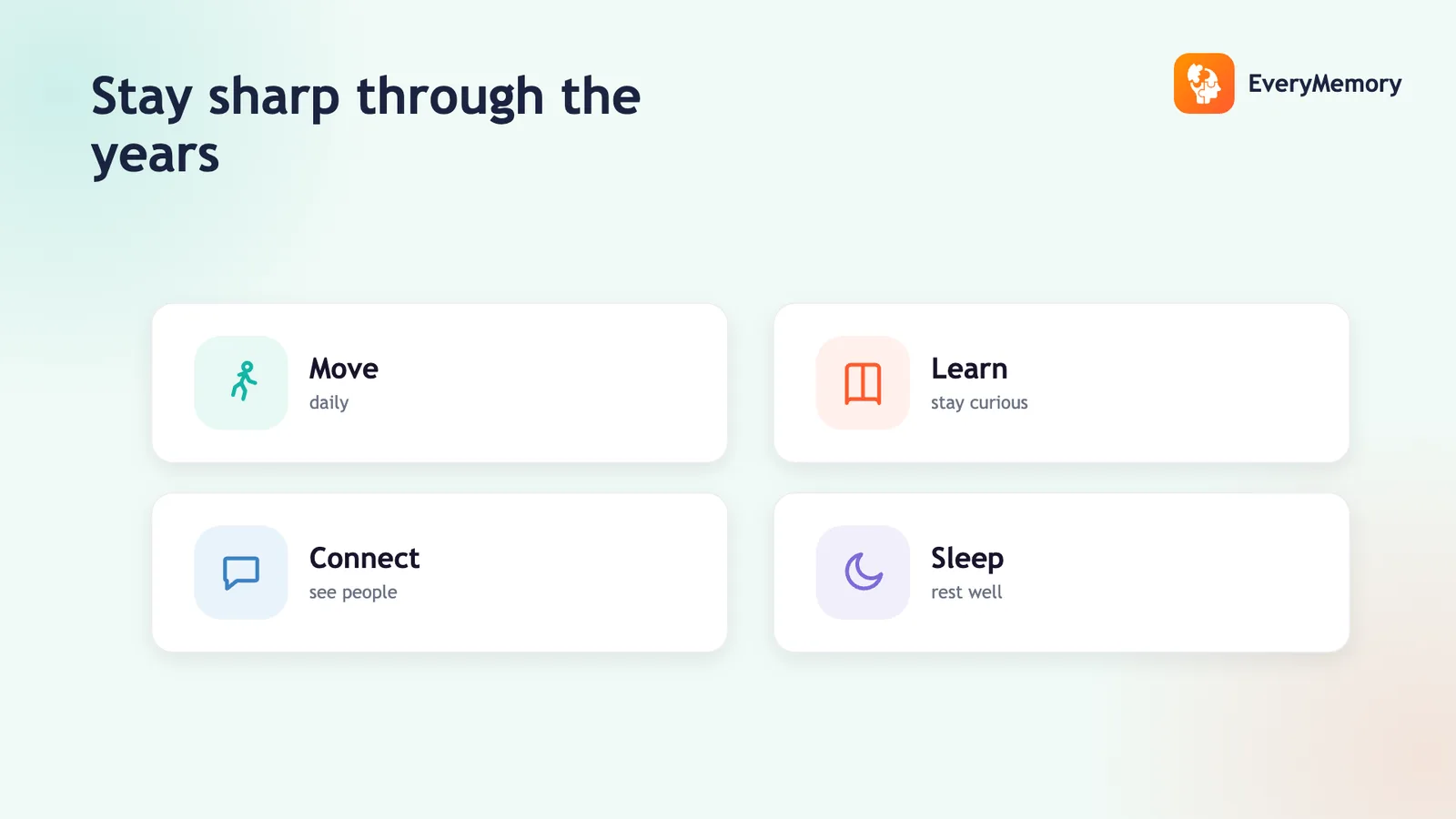
How to Keep Your Mind Sharp as You Age
Some changes in thinking are a normal part of getting older, and a handful of steady habits - movement, learning, connection, sleep - help you stay sharp through them.
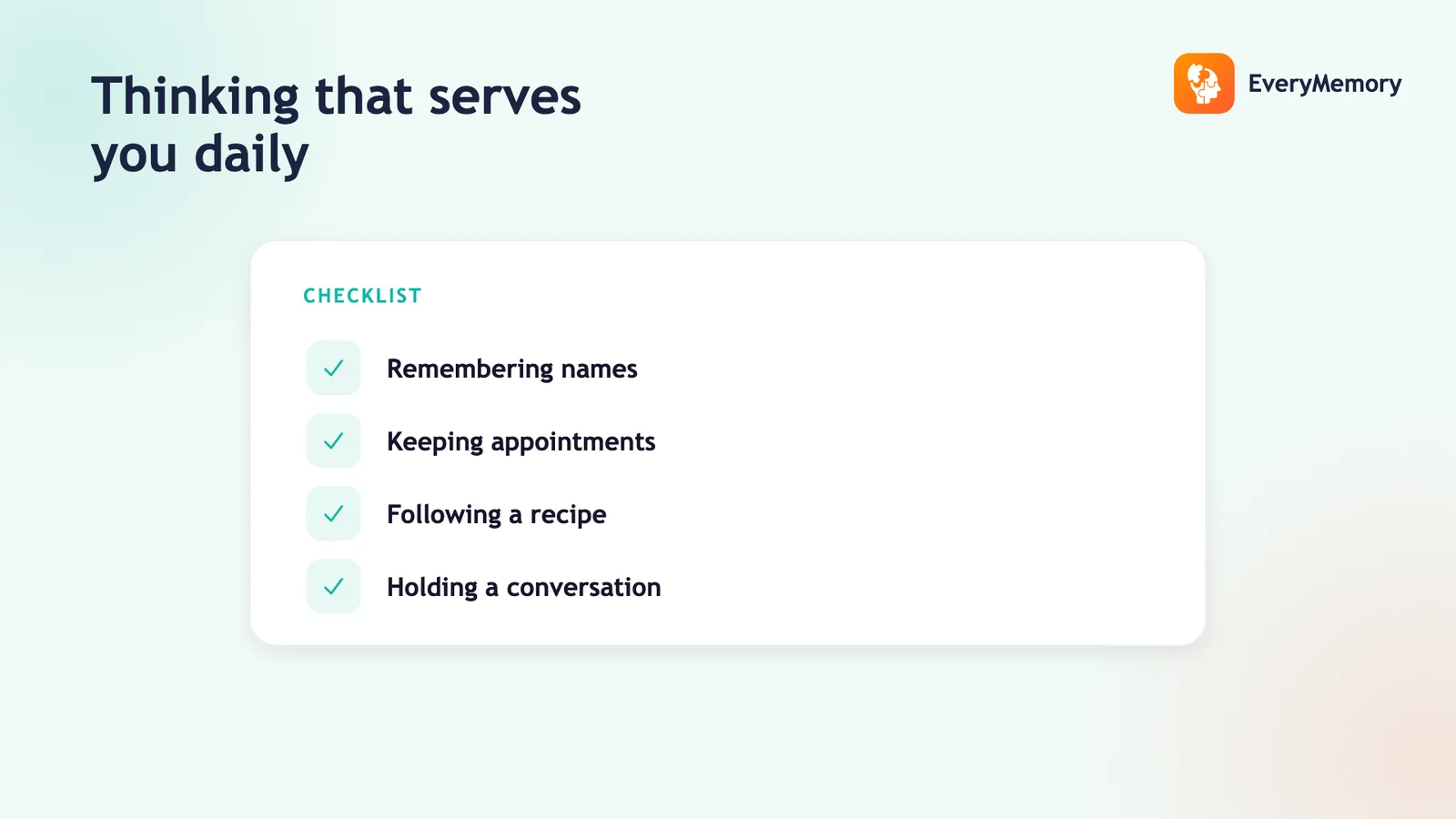
Cognitive Health: A Practical, Non-Medical Guide
Cognitive health, in everyday terms, is how well your thinking and memory serve you day to day - and it rests on the same ordinary habits that support the rest of you.
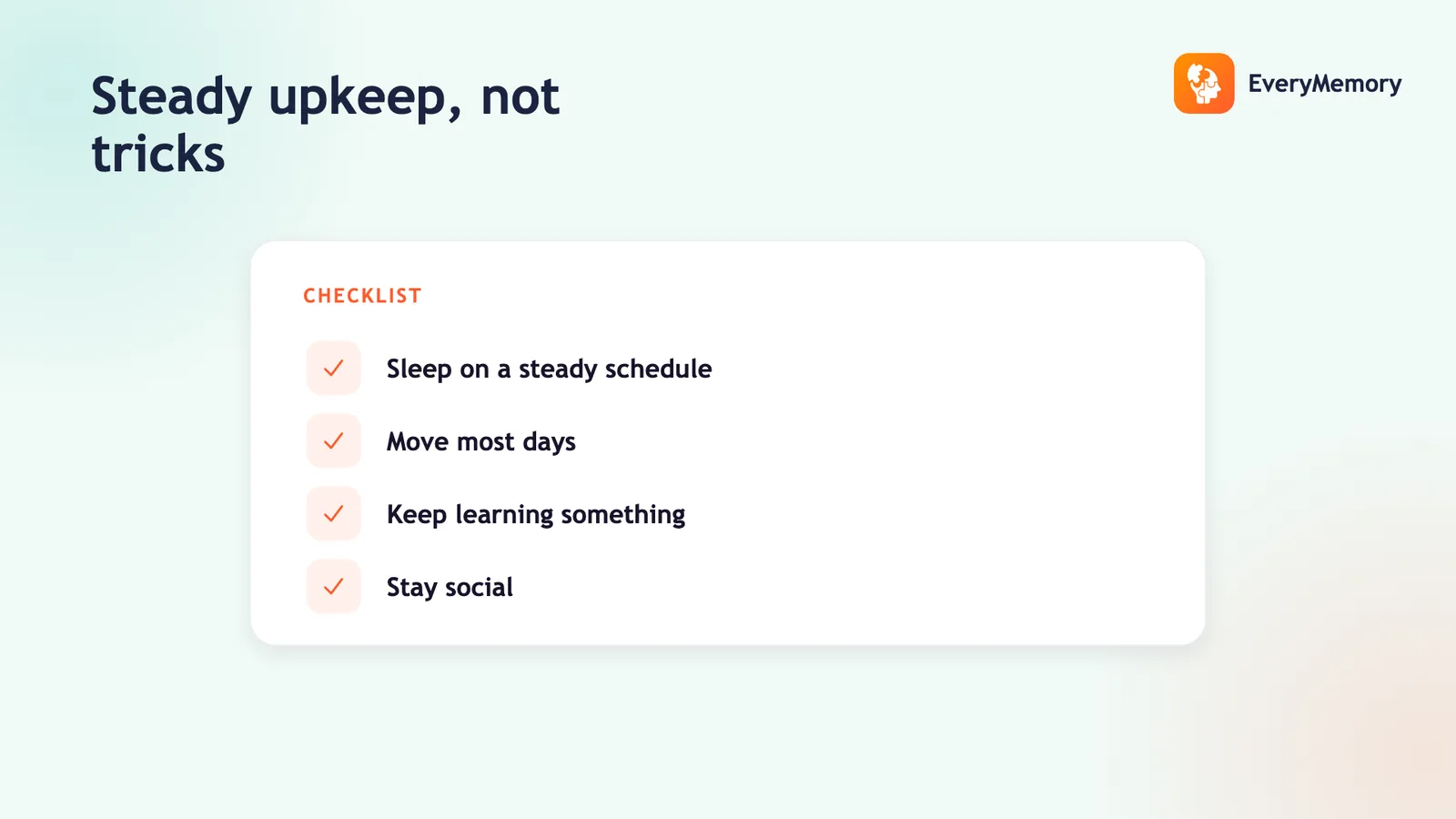
How to Stay Mentally Sharp
Staying mentally sharp is less about any single trick and more about steady upkeep - protecting attention, keeping your skills in use, and looking after the body your mind runs on.
A Simple Mental Fitness Routine
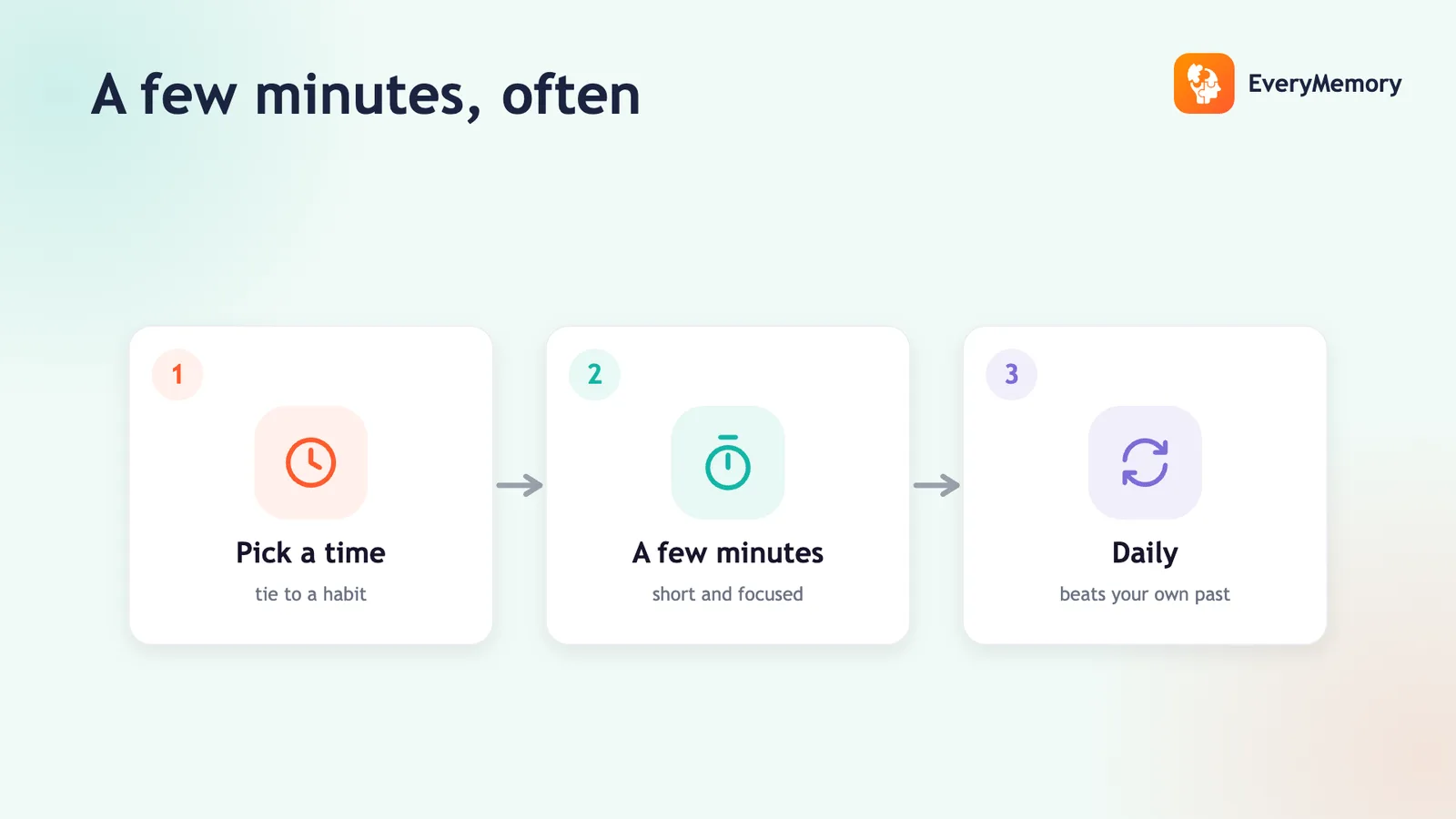
A good mental fitness routine is small enough to keep - a few minutes of skill practice wrapped in the everyday basics - and built to track against your own past, not anyone else's.
Brain Fitness vs Physical Fitness
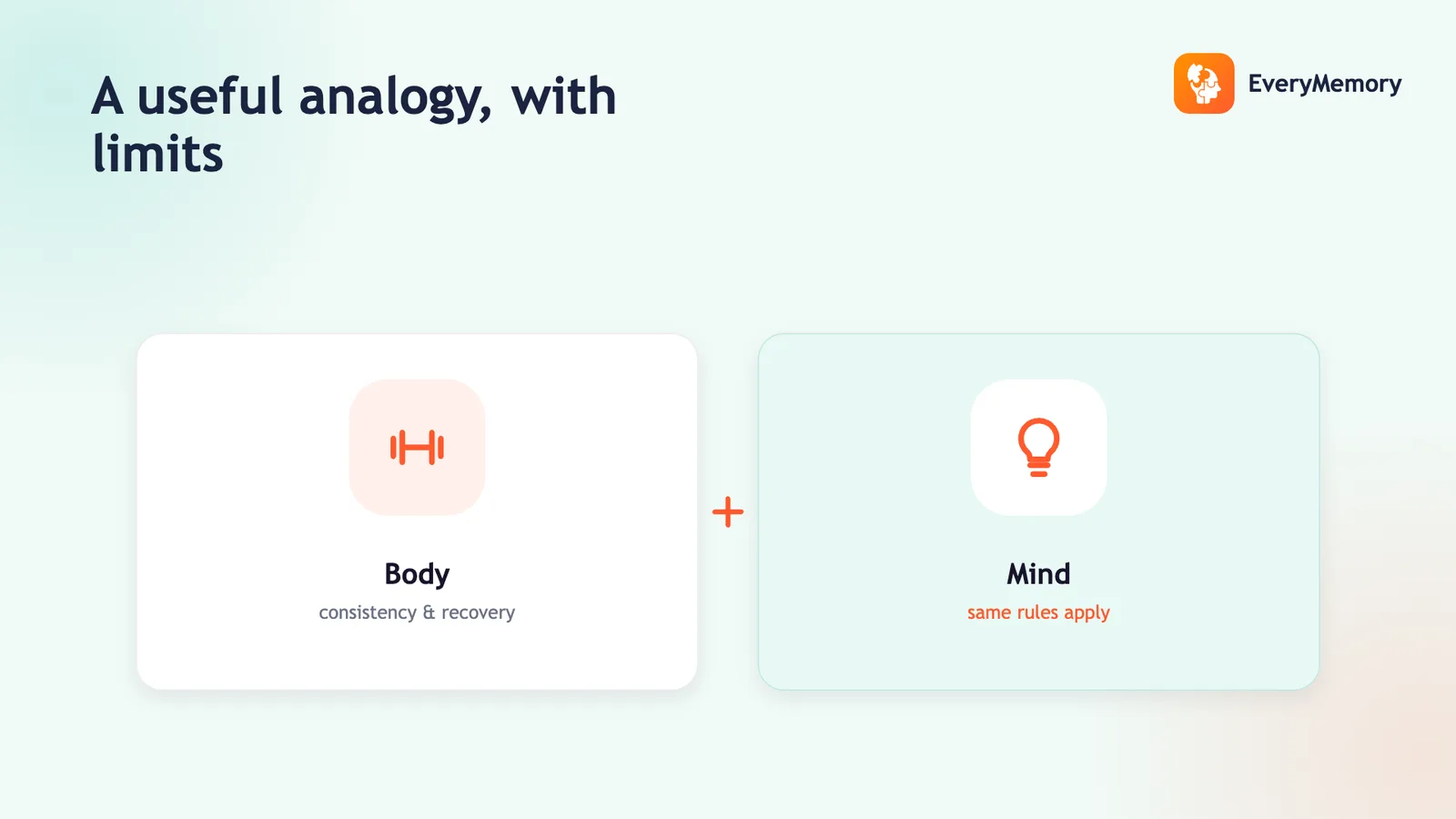
The fitness analogy is genuinely useful - consistency, progressive challenge, and recovery all carry over - but it has honest limits, the biggest being that training a skill mostly trains that skill.

The Left-Brain vs Right-Brain Myth
The idea that you're a logical "left-brained" or creative "right-brained" person is a myth - real brains use both sides together for almost everything you do.
Do Learning Styles Exist?
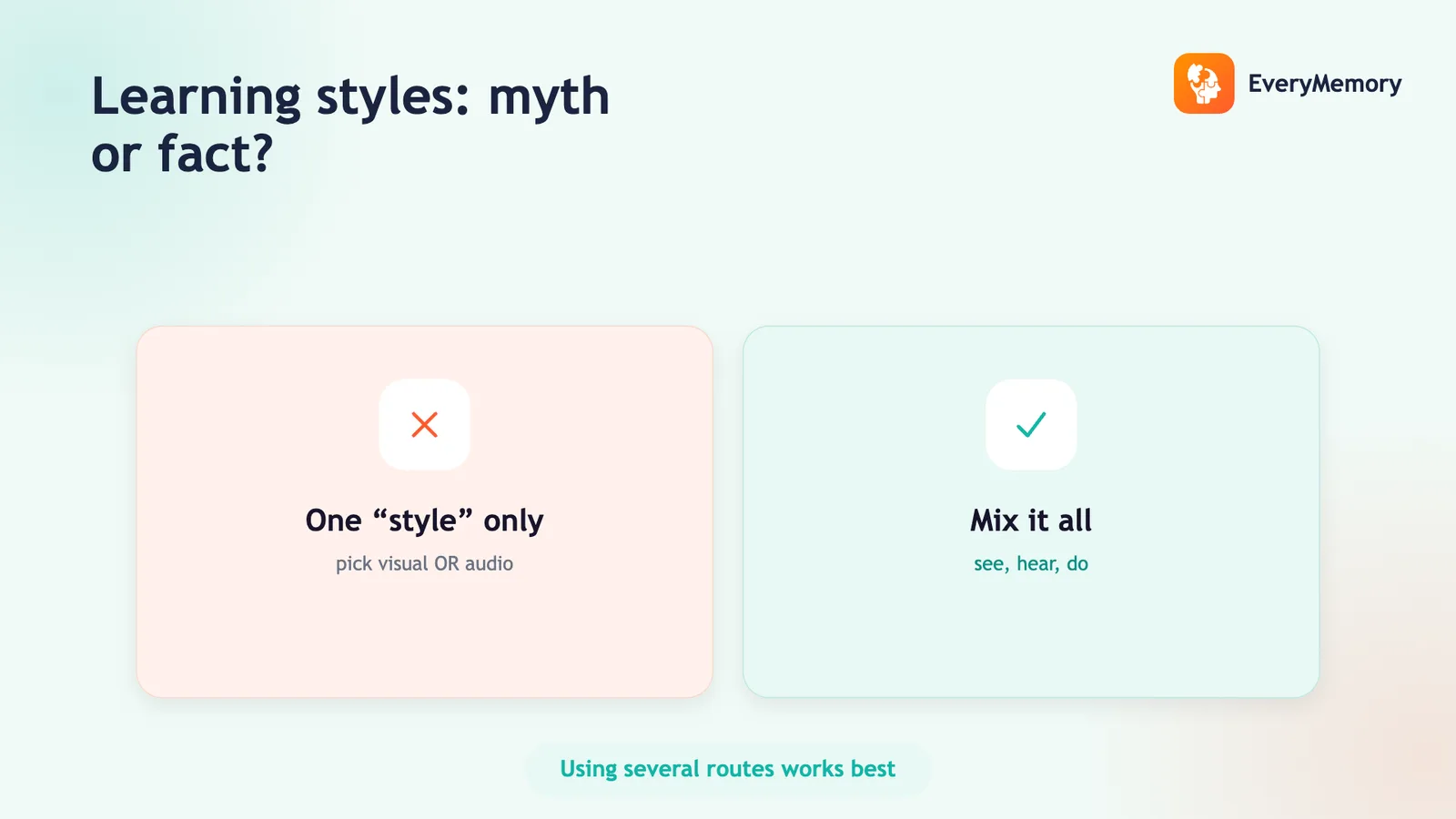
The idea that you're a "visual" or "auditory" learner is popular but unsupported - matching teaching to a style doesn't improve learning. Here's what actually works.

Does Dual N-Back Raise Your IQ?
Dual n-back is a famous working-memory drill, but the claim that it raises your IQ or fluid intelligence is contested and weak. Here's the honest state of the debate.

Can You Increase Your IQ?
You can sharpen specific skills and learn a great deal, but reliably raising your general IQ in adulthood isn't well established. Here's the honest, hedged picture.

Do IQ Tests Measure Intelligence?
IQ tests capture a real, useful slice of cognitive ability - but they don't measure all of intelligence, and they're shaped by education, language, and culture.
Is Sudoku Good for Your Brain?
Sudoku is a genuinely good logic workout that sharpens your working memory and deduction - but mostly it makes you better at sudoku. Here's an honest read on what it actually trains.
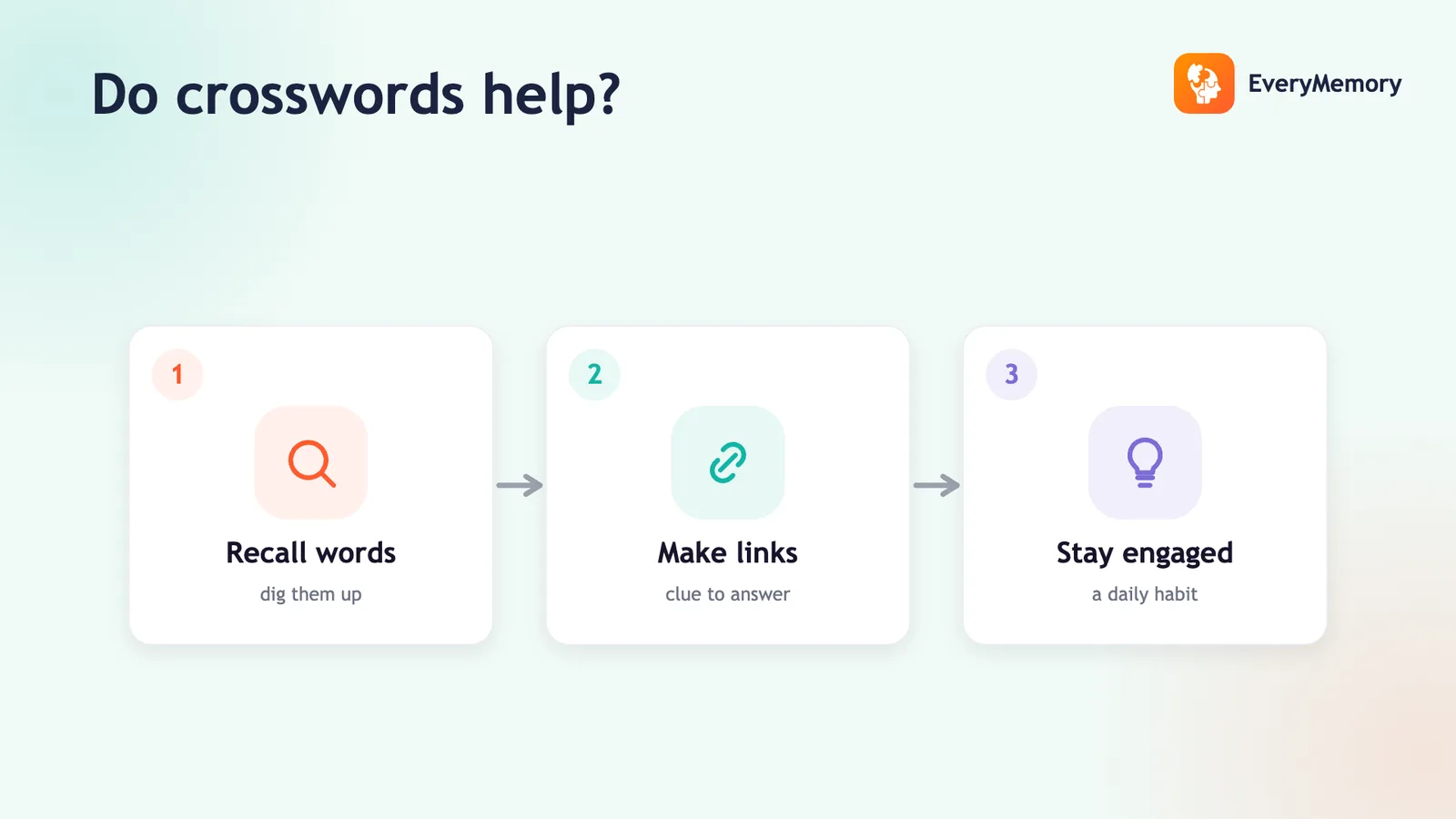
Are Crosswords Good for Your Brain?
Crosswords are a rich workout for vocabulary and verbal recall, and they're genuinely absorbing. But like all puzzles, the benefit is mostly crossword-specific - here's the honest read.
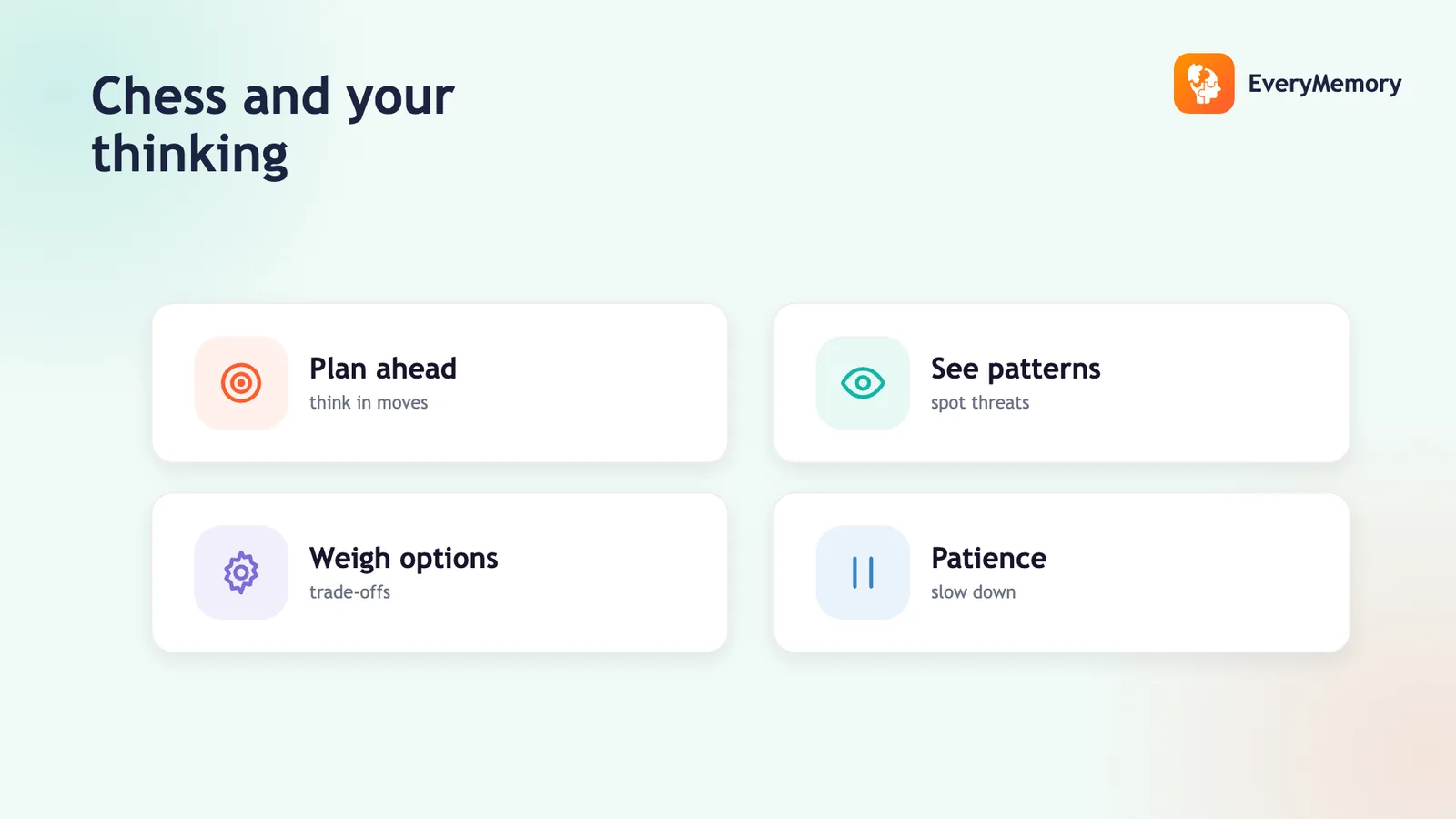
Chess and the Brain
Chess is a deep workout in planning and pattern recognition, and it's wonderfully absorbing. But the famous "chess makes you smarter" claim is shakier than it sounds - here's the honest version.
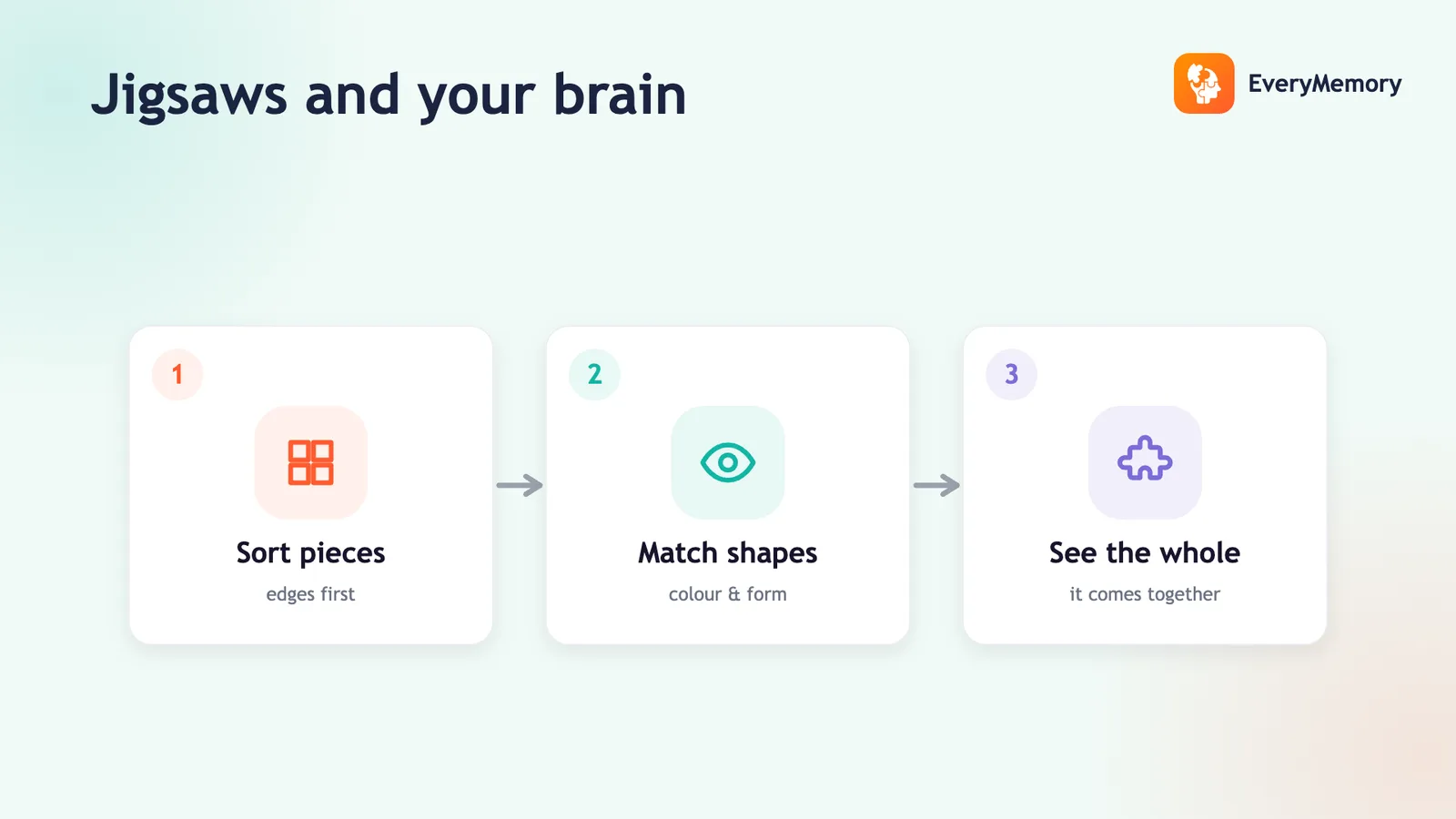
Jigsaw Puzzles and the Brain
Jigsaw puzzles are a calming, hands-on workout for visual-spatial thinking. They're genuinely good engagement - here's an honest look at what they train and what they don't.

Riddles for Adults (With Answers)
A set of genuinely tricky riddles for adults, with answers - plus an honest note on what riddles actually train: lateral thinking and reframing, more than memory.

Brain Teasers With Answers
A set of brain teasers with answers and full explanations - the kind that catch you out - plus an honest note on what they train and what they don't.
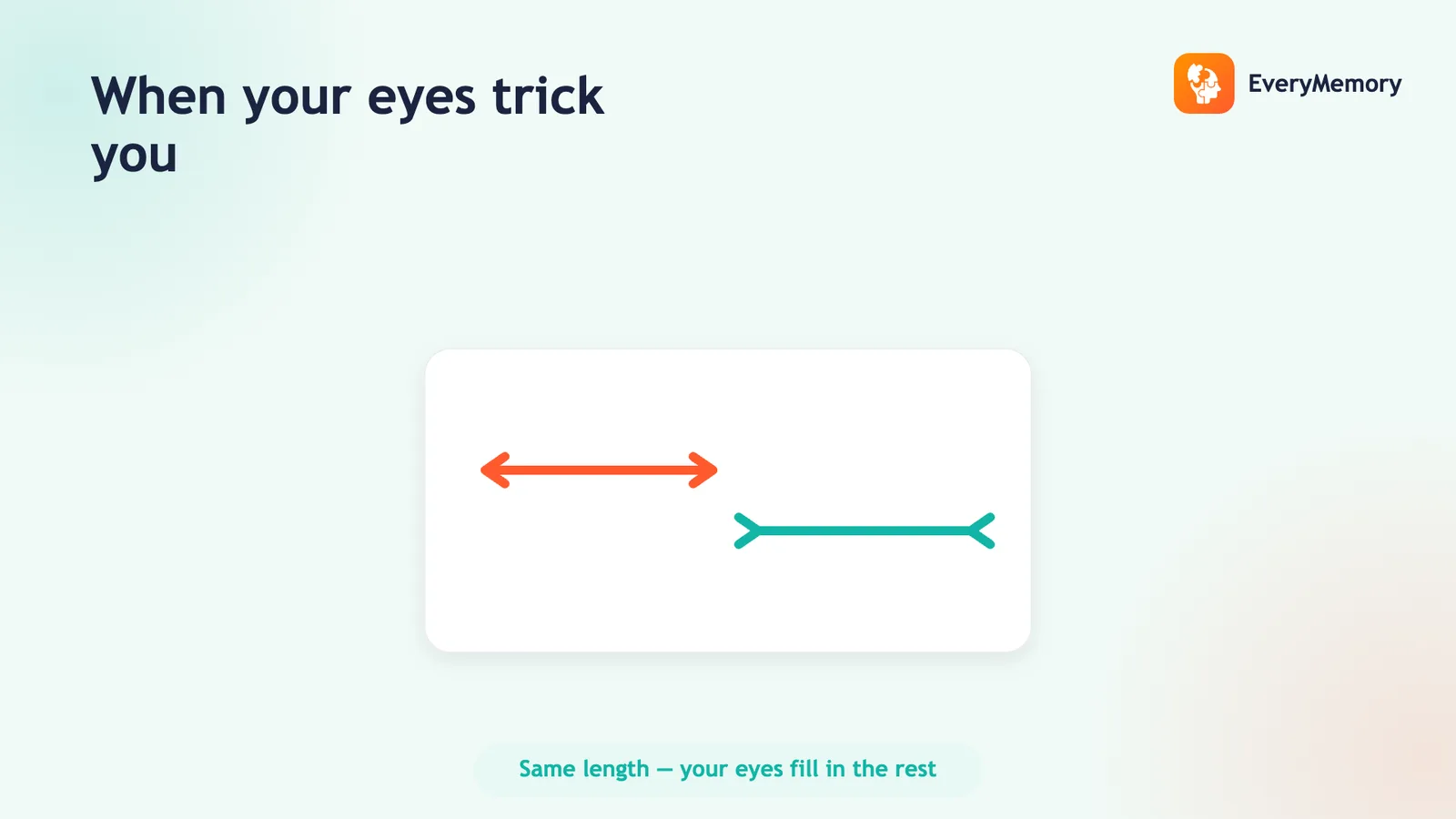
Optical Illusions and Attention
Optical illusions are less a brain workout than a window into how attention and perception work. Here's what they actually reveal - and why they don't "train" your brain.

Logic Puzzles for Adults
A worked logic puzzle with its full solution, plus an honest look at what deductive puzzles train - structured reasoning and elimination - and where the benefit stops.
Spot the Difference and Attention
Spot-the-difference is a genuine visual-attention task - it trains how carefully you scan and compare. Here's what it really exercises, honestly, and where the limit is.

Word Search and Memory
Word search is relaxing and great for visual scanning - but it's much lighter on memory than people assume. Here's the honest read on what it actually trains.

What Is IQ?
IQ is a standardized score for how well you handle certain reasoning tasks, scaled so the average is 100. It's a real but partial measure - here's what it captures and what it leaves out.

What Is the Average IQ?
The average IQ is 100 by definition, with about two-thirds of people scoring between 85 and 115. Here's what those ranges mean - and why the number is less dramatic than it sounds.

Fluid vs Crystallized Intelligence
Fluid intelligence is solving novel problems on the fly; crystallized intelligence is your accumulated knowledge. One peaks early, the other grows for decades - and that changes how you should think about getting smarter.
Types of Intelligence
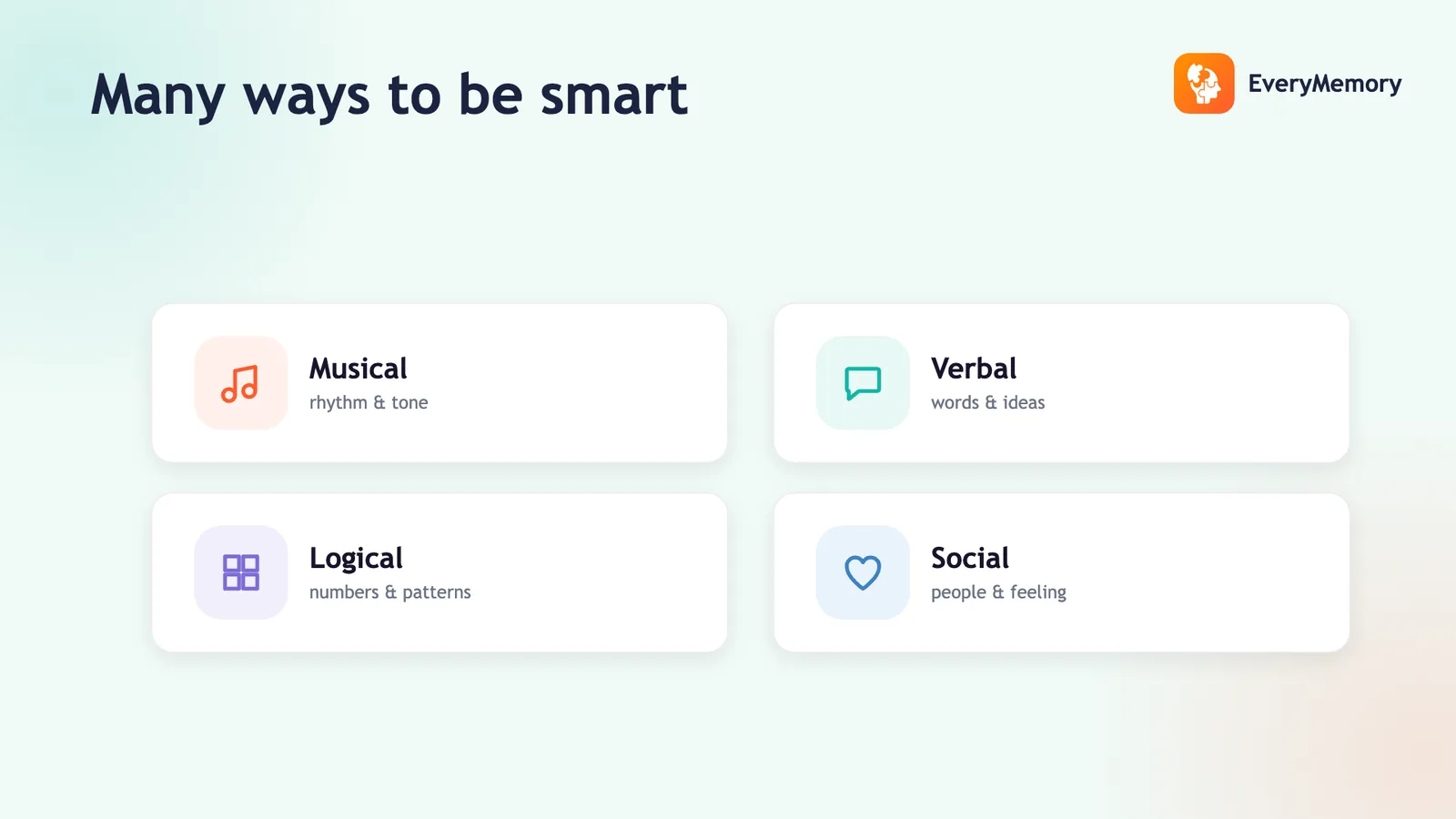
Are there really nine types of intelligence? The popular 'multiple intelligences' framework is appealing but debated. Here's an honest tour of how psychologists actually carve up the mind.
Free IQ Tests: An Honest Guide
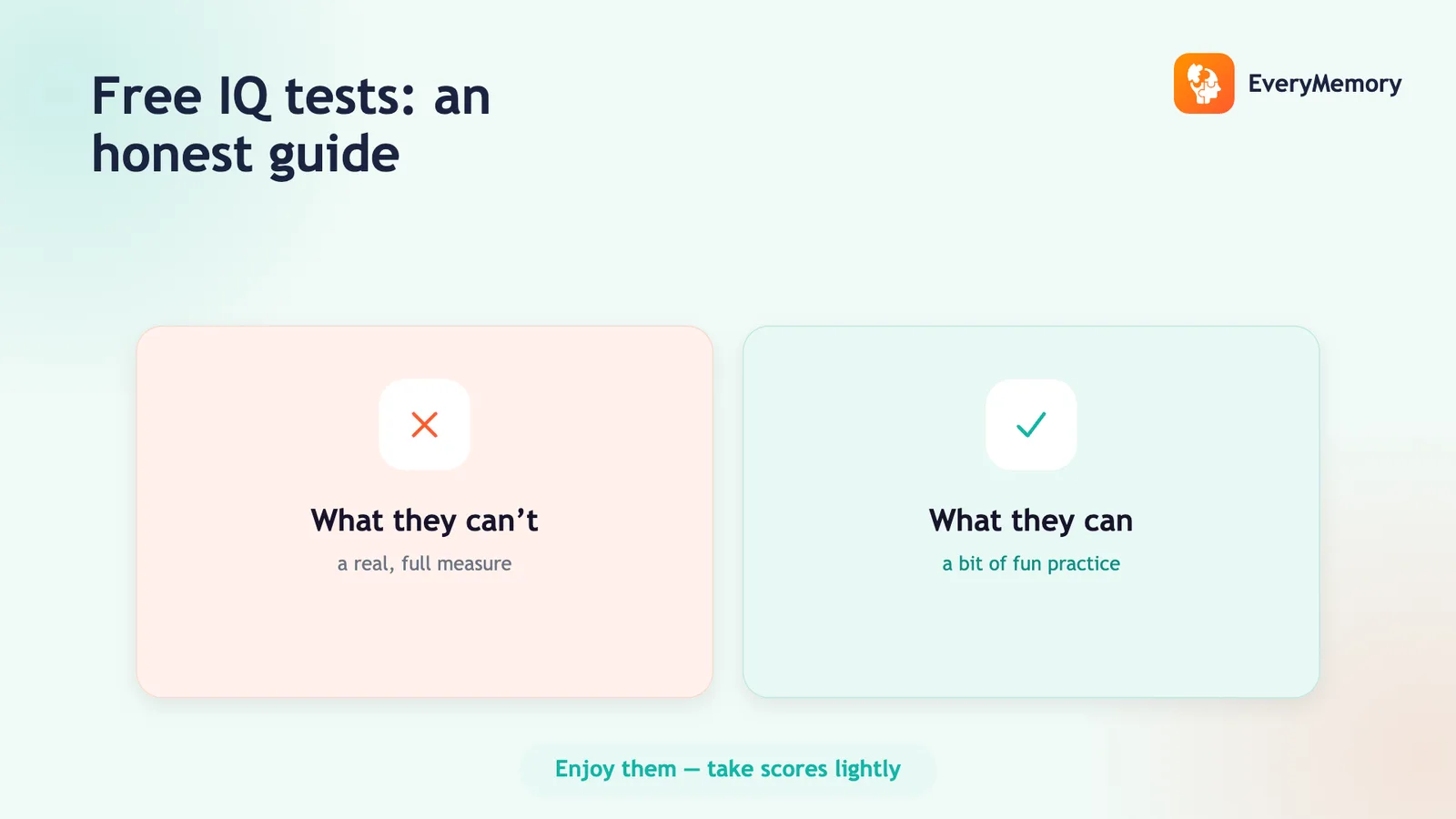
Most free online IQ tests aren't real IQ tests - they're engagement machines built to flatter you and sell certificates. Here's how to spot the difference and what they can actually tell you.

Emotional Intelligence, Explained
Emotional intelligence is the ability to recognize and manage emotions - yours and others'. It's a genuinely useful concept, even though it's measured imperfectly. Here's the honest version.

IQ vs EQ
IQ measures reasoning; EQ measures emotional skill. They're not rivals so much as different tools for different jobs. Here's an honest comparison, without crowning a winner.

Can You Train Fluid Intelligence?
You can get noticeably better at brain-training tasks - but whether that lifts your general fluid intelligence is contested, and the honest evidence for durable transfer is weak. Here's the real picture.
Signs of High Intelligence
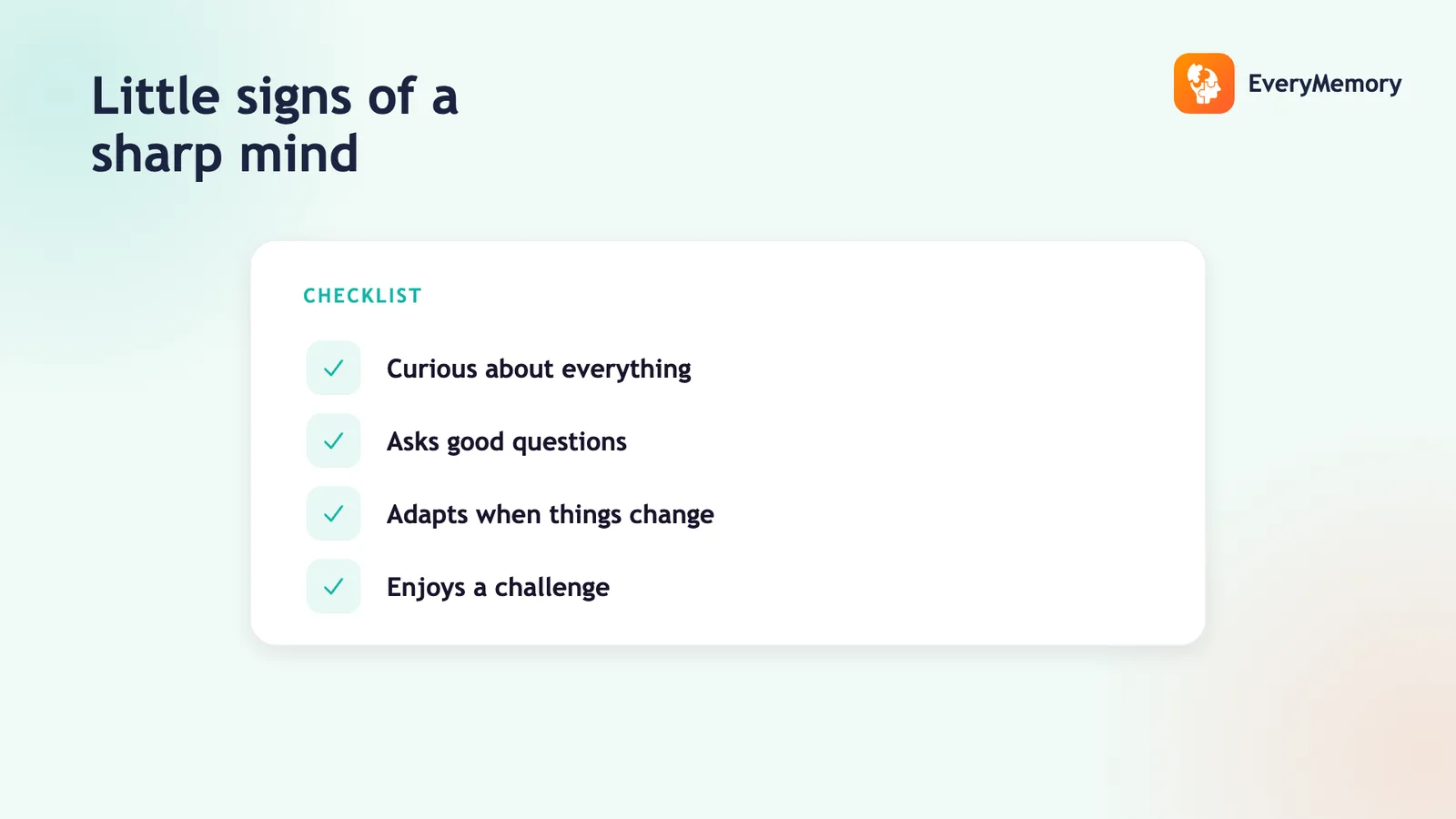
Forget the flattering listicles. Here are the traits researchers actually find correlate with high intelligence - along with honest caveats about why no single sign proves anything.
What Makes Someone Intelligent?
Intelligence is more than a test score. It's a blend of reasoning, knowledge, judgement, creativity, emotional skill, and drive - much of it built rather than born. Here's the honest, fuller picture.
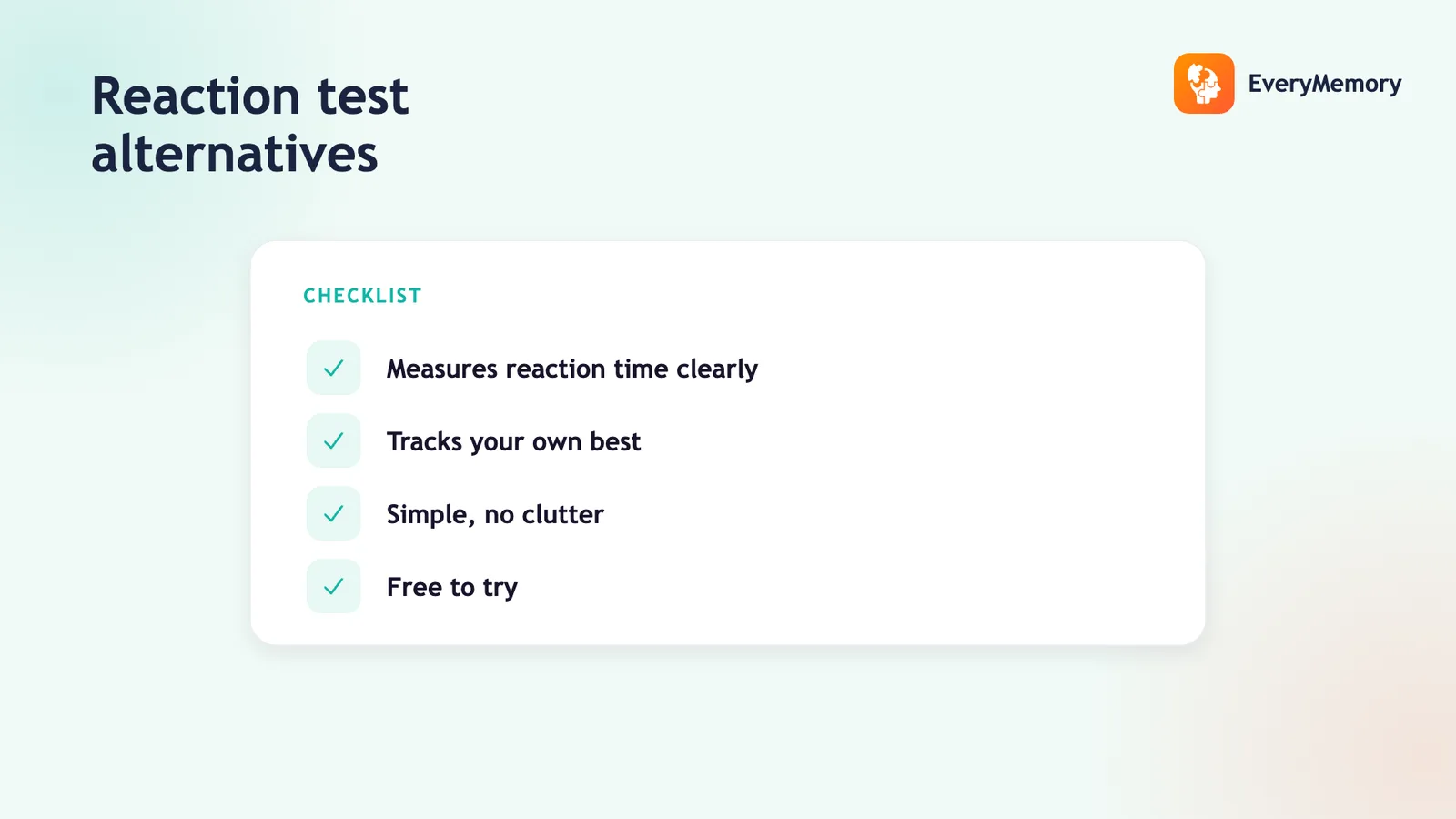
Human Benchmark Alternatives
Looking for a Human Benchmark alternative? Here are the criteria that actually matter - adaptive difficulty, honest tracking, no fake percentiles - and how to pick well.
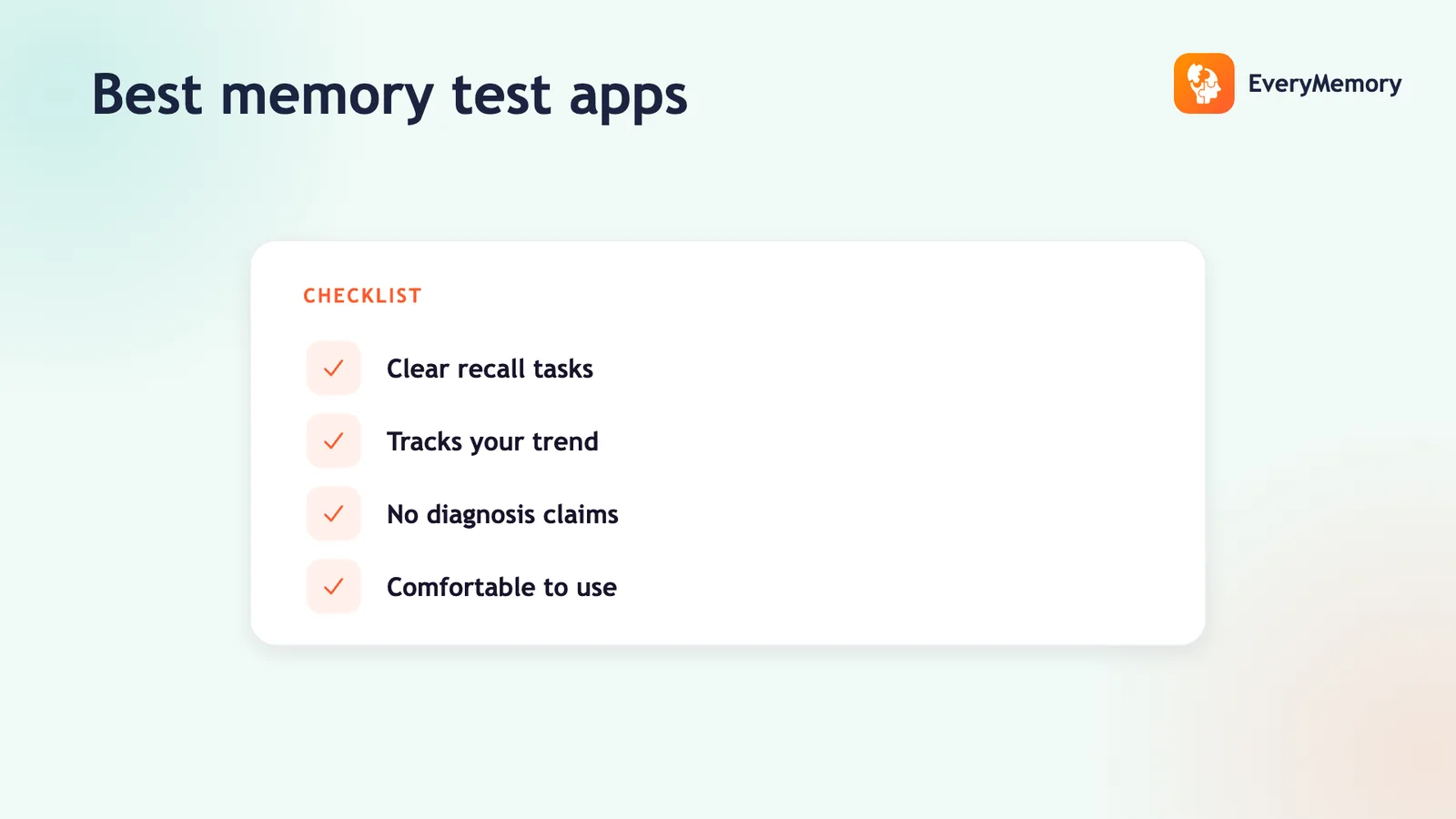
Best Memory Test Apps: What to Look For
The best memory test apps share a few honest traits: clear tasks, self-relative scoring, no fake percentiles and no medical claims. Here's the checklist to judge them by.
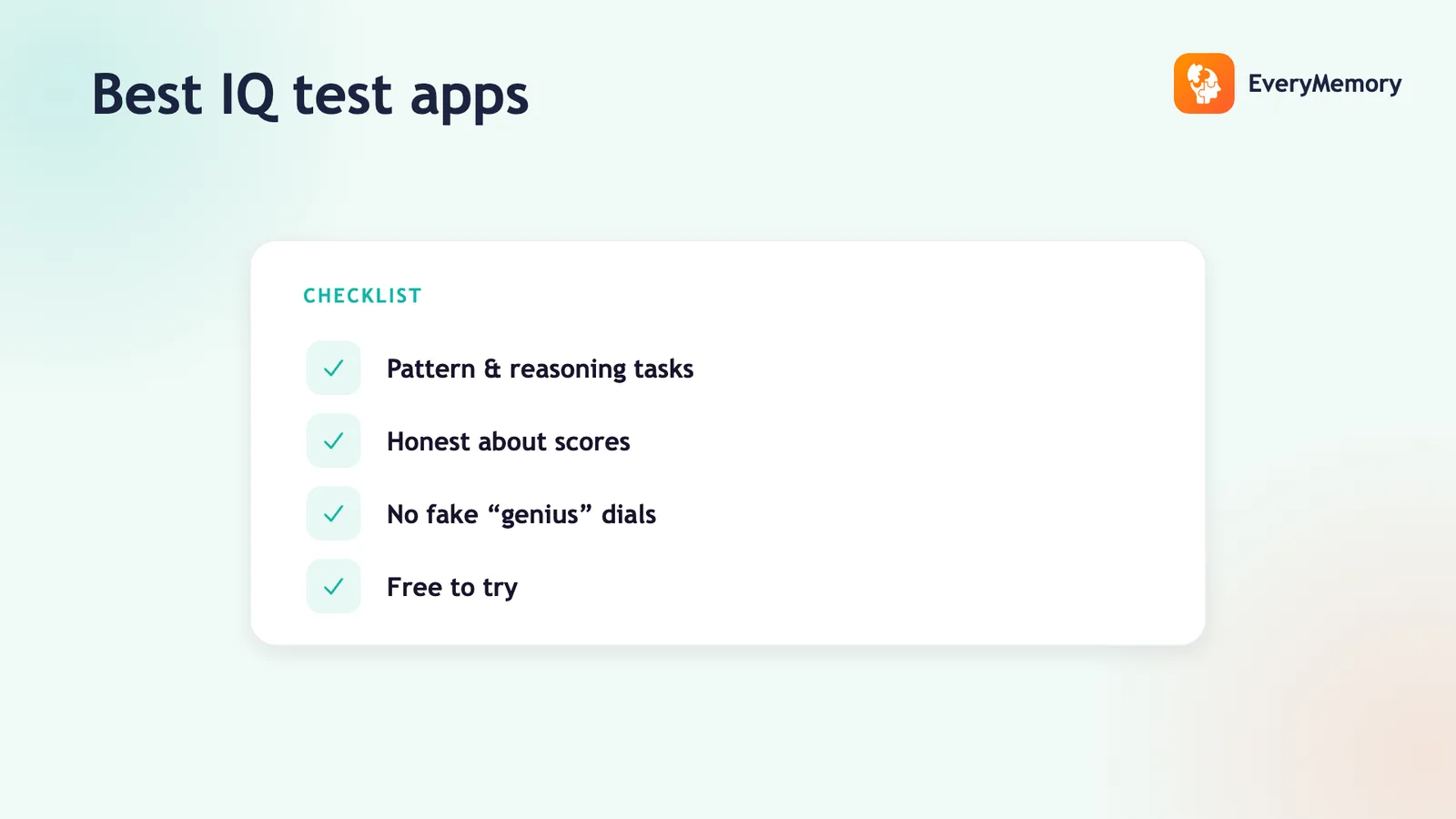
Best IQ Test Apps: An Honest Look
Most IQ test apps overpromise. Here's an honest look at what they can and can't measure, the red flags to avoid, and what to use instead if you want real practice.
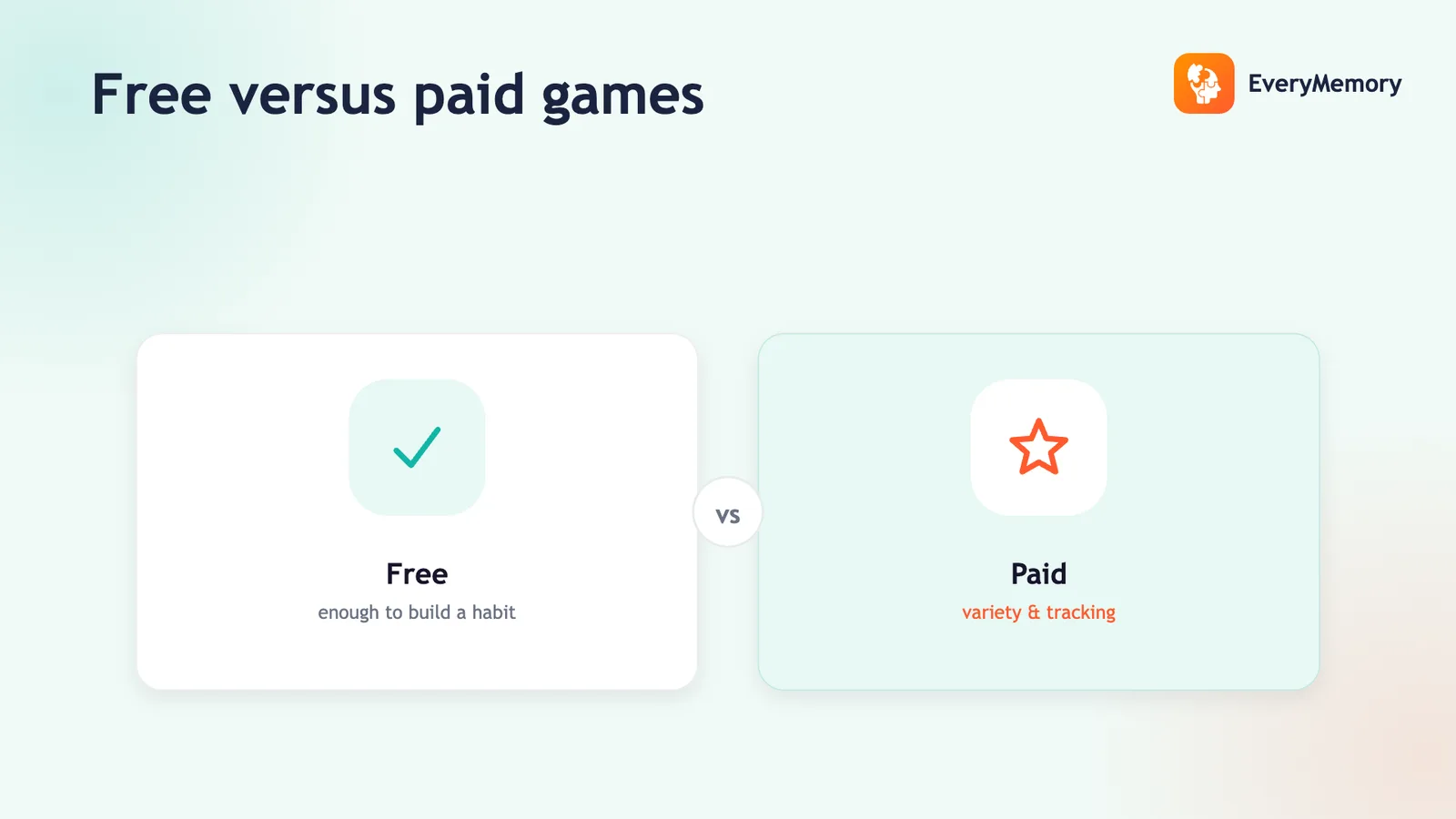
Free vs Paid Brain Games
Free vs paid brain games comes down to what you're actually buying. Here's an honest breakdown of where free is enough - and what a subscription should add to earn its keep.
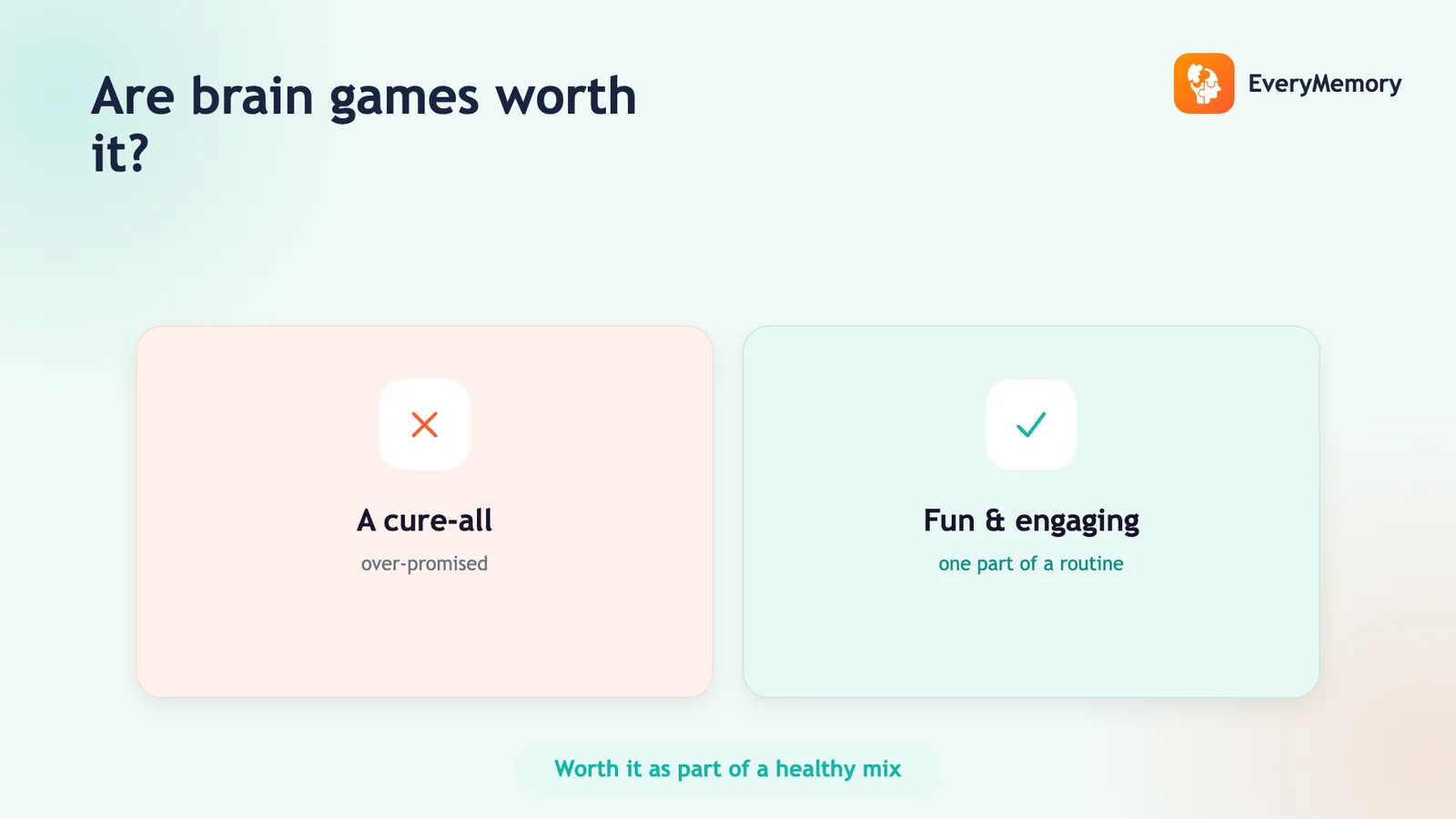
Are Brain Games Worth It?
Are brain games worth it? Honestly, yes for skill practice and habit, no for IQ or decline-prevention promises. Here's a balanced verdict and how to tell which apps deliver.
Menopause and Memory: Why Midlife Brain Fog Happens
Brain fog, forgotten words, and mid-sentence blanks are among the most commonly reported experiences during perimenopause and menopause. Here is what is happening and why it usually gets better.
Brain Foods: What People Eat for Memory and Focus
A practical look at the foods most commonly associated with memory, focus, and everyday brain health, no hype, no medical claims, just honest nutrition context.
Digital Amnesia: Is Your Phone Weakening Your Memory?
The 'Google effect' shows we remember less when we expect to look things up. Here is what that means for everyday life, where AI raises the stakes, and how to keep your own memory in the loop.
Does Learning a Language Keep Your Brain Sharp?
Language learning is one of the most complete mental workouts you can give your brain, recruiting memory, attention, pattern recognition, and cognitive flexibility all at once. Here is what the research suggests and how to get started at any age.
Can a Short Afternoon Nap Boost Your Memory?
A well-timed afternoon nap can restore alertness, lift mood, and help your brain consolidate what you have learned. Here is what the evidence says and how to nap well.
Why Dancing Is Great for Your Brain
Dancing combines aerobic exercise, memory, coordination, and social connection in one joyful activity, making it one of the most brain-friendly hobbies you can pick up at any age.
Smell and Memory: Why a Scent Brings Back the Past
A whiff of sunscreen and you are eight years old at the beach again. Here is the fascinating brain science behind why scent memories feel so vivid, emotional, and old.
Do Memory Supplements Actually Work?
The memory supplement market is worth billions, but does the evidence keep up with the claims? Here is an honest look at what the research actually says, and what to do instead.
Why Gardening Is Good for Your Brain
Gardening quietly engages your memory, senses, planning, and mood all at once, and you do not need a backyard to get started.
How Pets Support Your Brain and Wellbeing
Companion animals can bring structure, movement, social connection, and a sense of purpose to daily life, all things that support a healthy, engaged mind.
Learning a Musical Instrument and Your Brain
Playing a musical instrument is one of the most cognitively demanding things a human can do, and that may be exactly why it feels so good for your mind.
Deliberate Practice: How to Actually Get Better at Anything
Most people plateau because they practice the same way indefinitely. Psychologist Anders Ericsson spent decades studying how experts actually develop - and the answer is more precise, more effortful, and more rewarding than simply putting in the hours.
Build your personal memory routine
Take a short non-medical quiz and get a simple plan with daily memory exercises.
Take Memory Quiz