 EveryMemory
How to Remember What You Read
Most of what you read fades because reading is passive. Five concrete habits - built around recalling, not rereading - that make it stick.
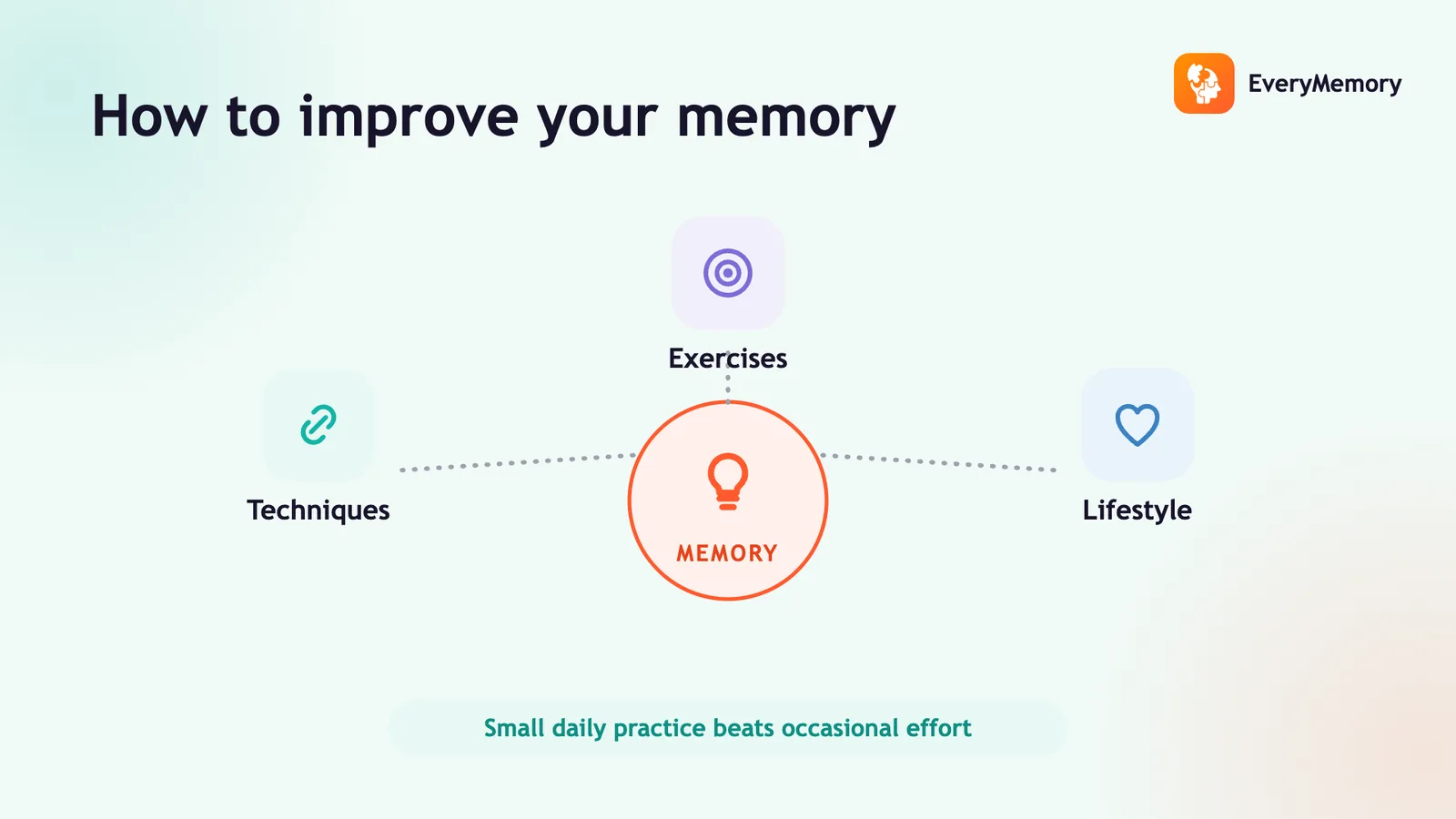
Part of the guide: How to Improve Your Memory: The Complete Beginner's Guide →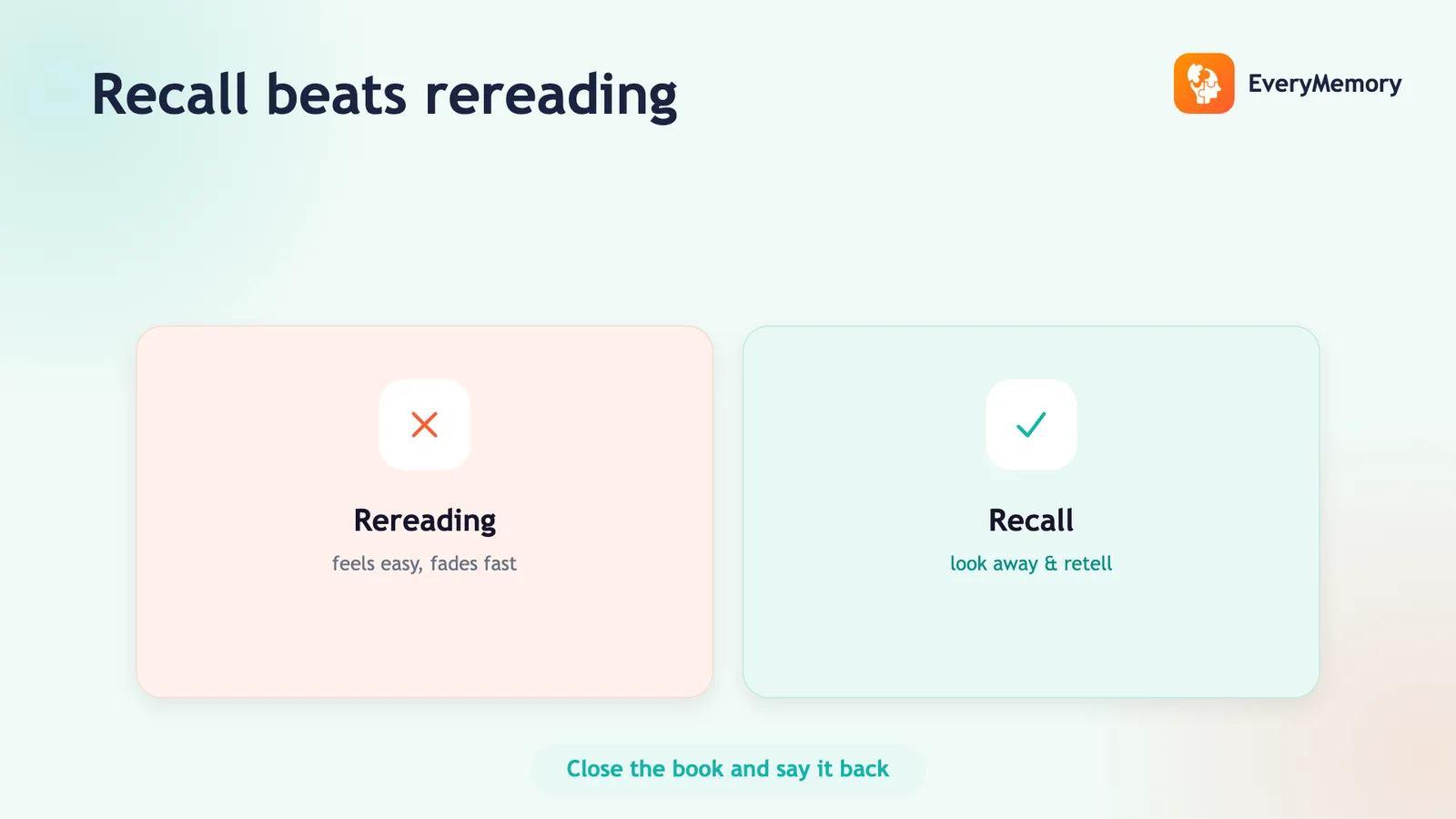
⚡ Quick answer
You forget most of what you read because reading is passive: your eyes move but your brain never retrieves the information. To remember more, read with a question in mind, then close the book and recall the main points in your own words. That act of retrieval, repeated over a few days, is what fixes it in memory - far more than rereading.
Key takeaways
- You forget what you read because reading is passive - without retrieving the information, it never gets properly stored.
- Active recall (closing the book and saying the main points in your own words) is the single most effective reading habit.
- Rereading feels productive but mostly builds false familiarity; recalling from memory beats it several times over for the same time.
- Spacing short reviews across several days resets the forgetting curve and keeps material far longer than one long session.
- Reading in one focused pass - phone in another room - is what lets the information encode in the first place.
You finish a chapter, and by the next page you couldn't say what it was about. That's not a memory flaw - it's what happens when reading stays passive. Your eyes move, but your brain never has to retrieve anything, so nothing gets filed.
The fix isn't reading more slowly or more often. It's adding one ingredient - retrieval - at the right moments. Here's how, with five habits you can start on your next page.
Why you forget what you read
Recognising words on a page feels like learning, but it isn't the same as being able to produce the idea later. Reading puts information in; remembering requires pulling it back out. If you never practise pulling it out, the memory stays weak and fades within hours - the ordinary forgetting curve at work.
This is why rereading is such a weak strategy: the second pass feels familiar and easy, and that familiarity fools you into thinking you know it. Familiarity is not recall. The habits below all force retrieval, which is the part that actually builds the memory. The same principle powers memory improvement more broadly.
1. Read with a question first
Before you read a section, turn its heading into a question and decide what you want from it. "Three causes of the war" becomes "What were the three causes?" Now your brain reads with a target, filtering for the answer instead of drifting across every sentence equally.
It takes ten seconds and changes reading from receiving to hunting - and we remember what we actively look for.
2. Recall before you reread
At the end of each section, look away and say or write the main points in your own words - without looking back. This single move, called active recall, is the highest-leverage reading habit there is. Struggling to retrieve it is not failure; the effort itself is what strengthens the memory.
Only after you've recalled should you glance back to fill gaps. You'll remember those gaps better precisely because you noticed them.
3. Space your reviews out
One recall isn't enough for anything you want to keep. Revisit the material on a widening schedule - later the same day, the next day, then a few days on. Each spaced retrieval resets the forgetting curve and the memory lasts longer for less total effort.
Three two-minute reviews across a week beat one twenty-minute reread, every time.
4. Summarise, connect, and teach
Three quick ways to deepen what you've recalled:
- Summarise the page in one or two sentences of your own - compression forces understanding.
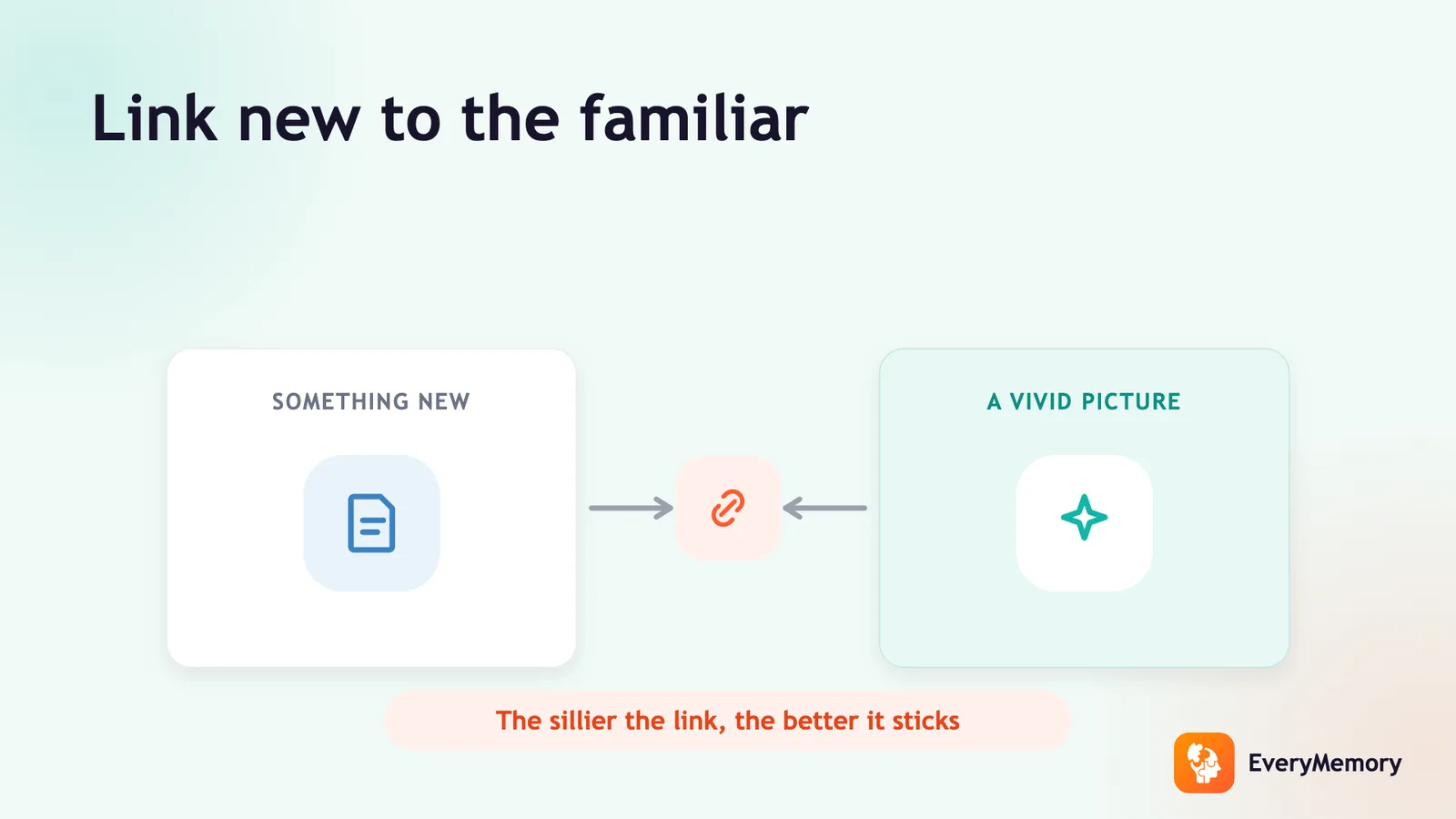
- Connect it to something you already know. New facts hooked onto old ones have more handles to grab; this is the heart of using association to remember more.
- Teach it - explain it aloud to someone, or to an empty room. If you can't explain it simply, you haven't got it yet, and you'll see exactly where the hole is.
5. Read in one focused pass
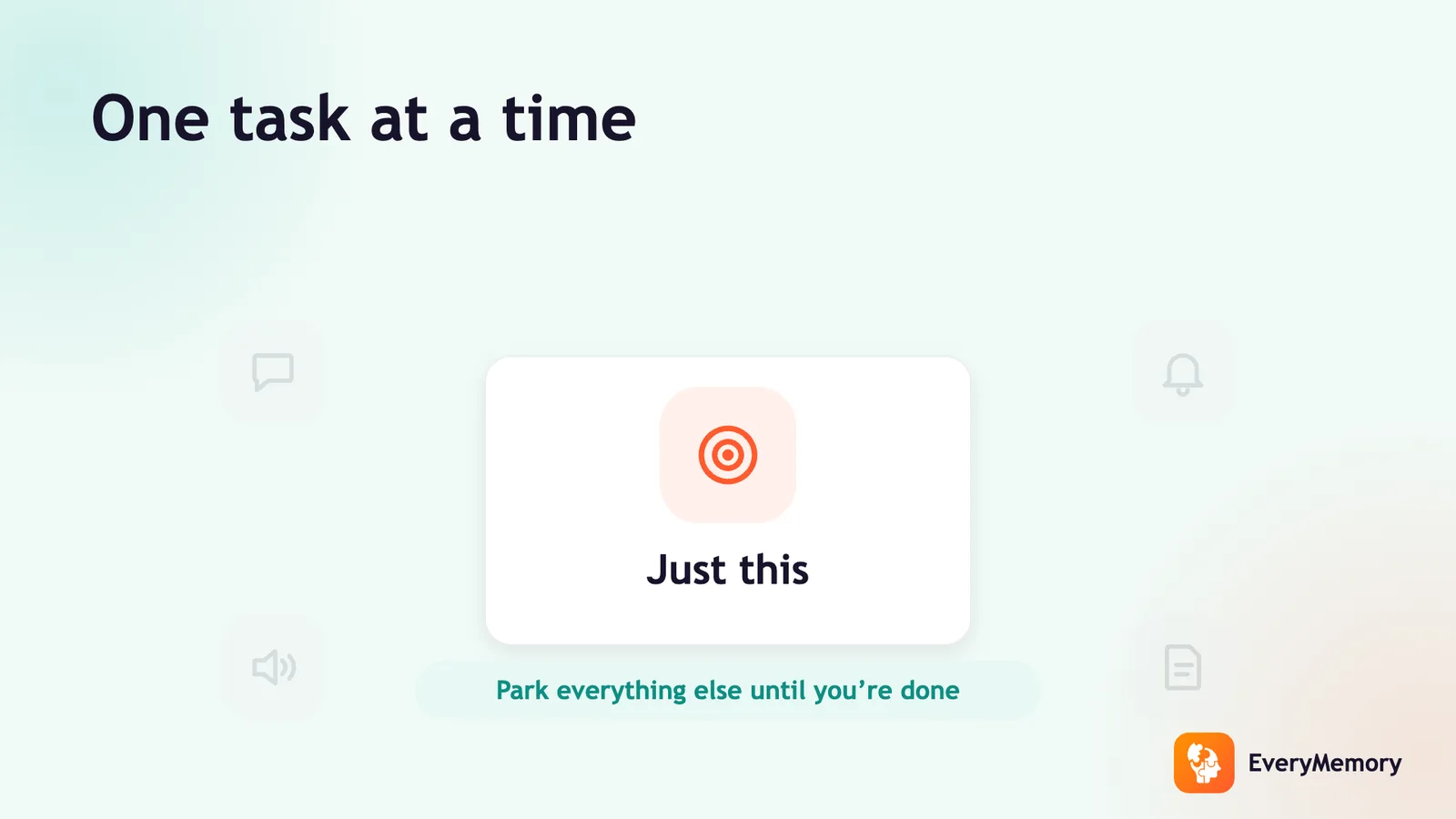
Retrieval can't happen if attention never landed. Reading with the television on, or with a phone within reach, splits your attention and almost nothing encodes. Put the phone in another room, read one section properly, then take the recall step. Ten focused minutes beat an hour of half-reading. If holding attention is the harder problem, the focus and attention workout helps.
Put it together: a simple routine
- Preview the headings and turn them into questions (10 seconds).
- Read one section in a single focused pass.
- Look away and recall the main points in your own words.
- Glance back to fill the gaps you missed.
- Later that day and again tomorrow, do a two-minute recall from memory.
It feels slower than plain reading because it is - for the first pass. But you only read it once, and you actually keep it, which is the whole point.
✅ Try this today - the close-the-book test
Prove to yourself that recall beats rereading, in five minutes:
- Read one short article or page, once, with your phone in another room.
- Close it completely.
- Write three sentences capturing the main points from memory.
- Now reopen it and check - the gaps you find are exactly what you'll remember next time.