 EveryMemory
Menopause and Memory: What Women Should Know
Word-finding trouble, forgetfulness, and fuzzy focus are commonly reported during perimenopause and menopause - and for many women, these changes ease over time with the right everyday supports.
Part of the guide: Understanding Memory Loss and Forgetfulness: A Calm, Reassuring Guide →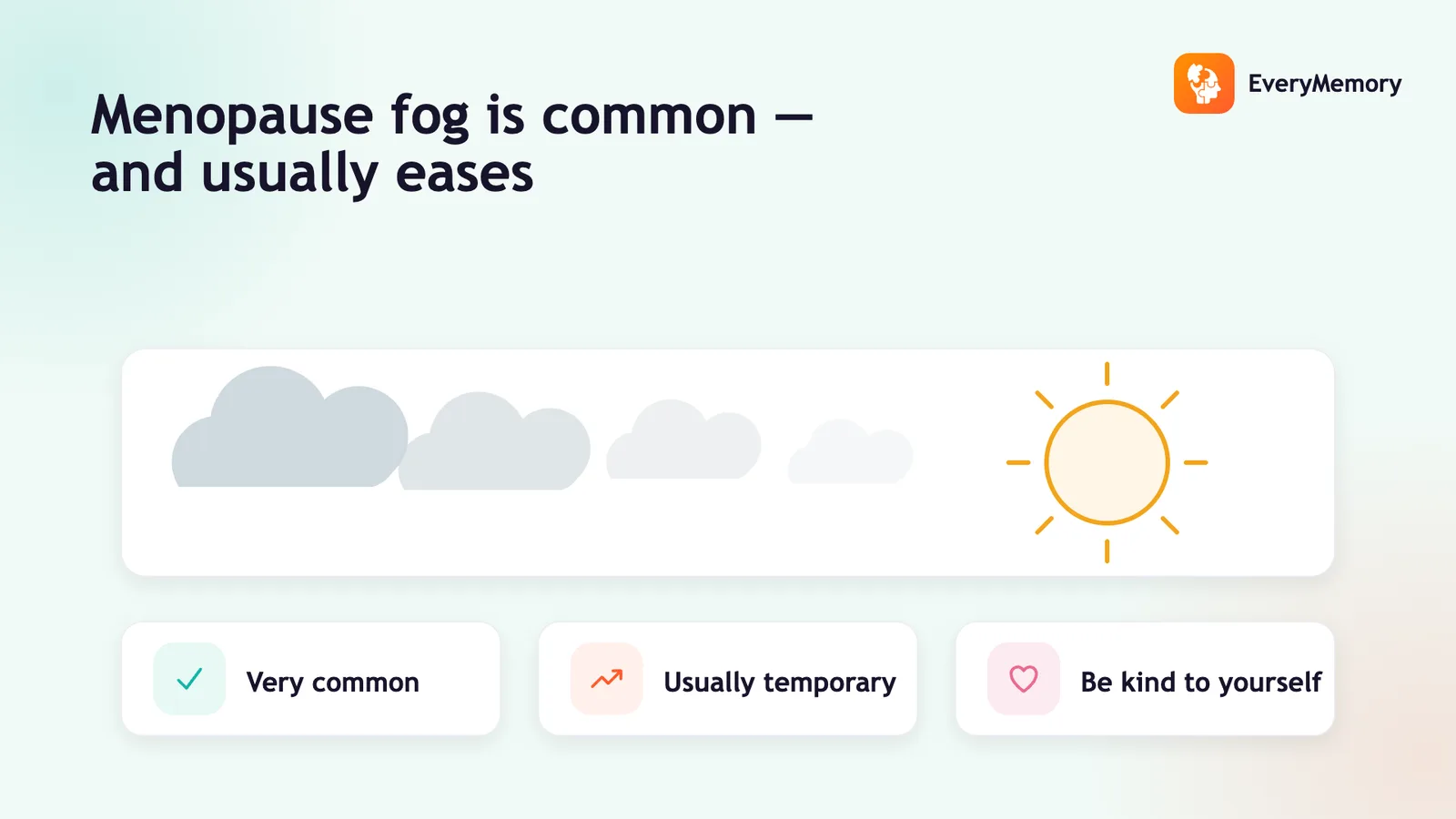
⚡ Quick answer
Memory changes and brain fog are among the most commonly reported experiences around perimenopause and menopause. They typically involve word-finding trouble, reduced focus, and occasional forgetfulness rather than serious memory loss. Disrupted sleep, hormonal shifts, stress, and night-time hot flushes are commonly linked contributors. For many women these changes ease over time, especially with good sleep habits, regular movement, and stress care.
Key takeaways
- Memory fog and word-finding trouble are among the most commonly reported experiences during perimenopause and menopause.
- Disrupted sleep from night-time hot flushes is one of the most significant everyday contributors - improving sleep often improves mental clarity.
- Regular movement, active stress care, and consistent sleep habits are the most practical non-medical supports available.
- Sudden, severe, or rapidly worsening memory changes warrant a conversation with a doctor, as do changes that are significantly affecting daily life.
You're mid-sentence and the word you want is simply gone. You walk into a room and can't remember why. You read a paragraph twice and it still doesn't quite stick. If you're in your 40s or 50s and noticing these moments more often than before, you're far from alone - this kind of mental fuzziness is one of the most commonly reported experiences during perimenopause and menopause.
The reassuring thing is that for most women, these changes are mild and linked to everyday factors that can be influenced: disrupted sleep, fluctuating hormones, stress, and the considerable demands that midlife often brings all at once. Understanding what's going on - and what tends to help - makes the whole picture far less unsettling.
Why memory changes are so common at this life stage
The years leading up to and surrounding the final menstrual period - a transition that can span a decade - involve significant hormonal shifts. Oestrogen, which plays a role in many systems throughout the body, is known to interact with brain areas involved in memory and attention, including the hippocampus and prefrontal cortex. As levels fluctuate and then decline, some women notice effects on thinking and recall.
Researchers have found that memory and concentration complaints are genuinely more common during this transition than before or after it. Word-finding difficulties - that frustrating "tip of the tongue" experience - and slower information processing are the most frequently described changes. Our article on brain fog causes and what helps looks at the broader picture of fuzzy thinking.
Importantly, these changes are not the same as dementia. The cognitive shifts linked with menopause are generally mild and are not a sign that serious memory disease is developing.
How sleep disruption drives so much of it
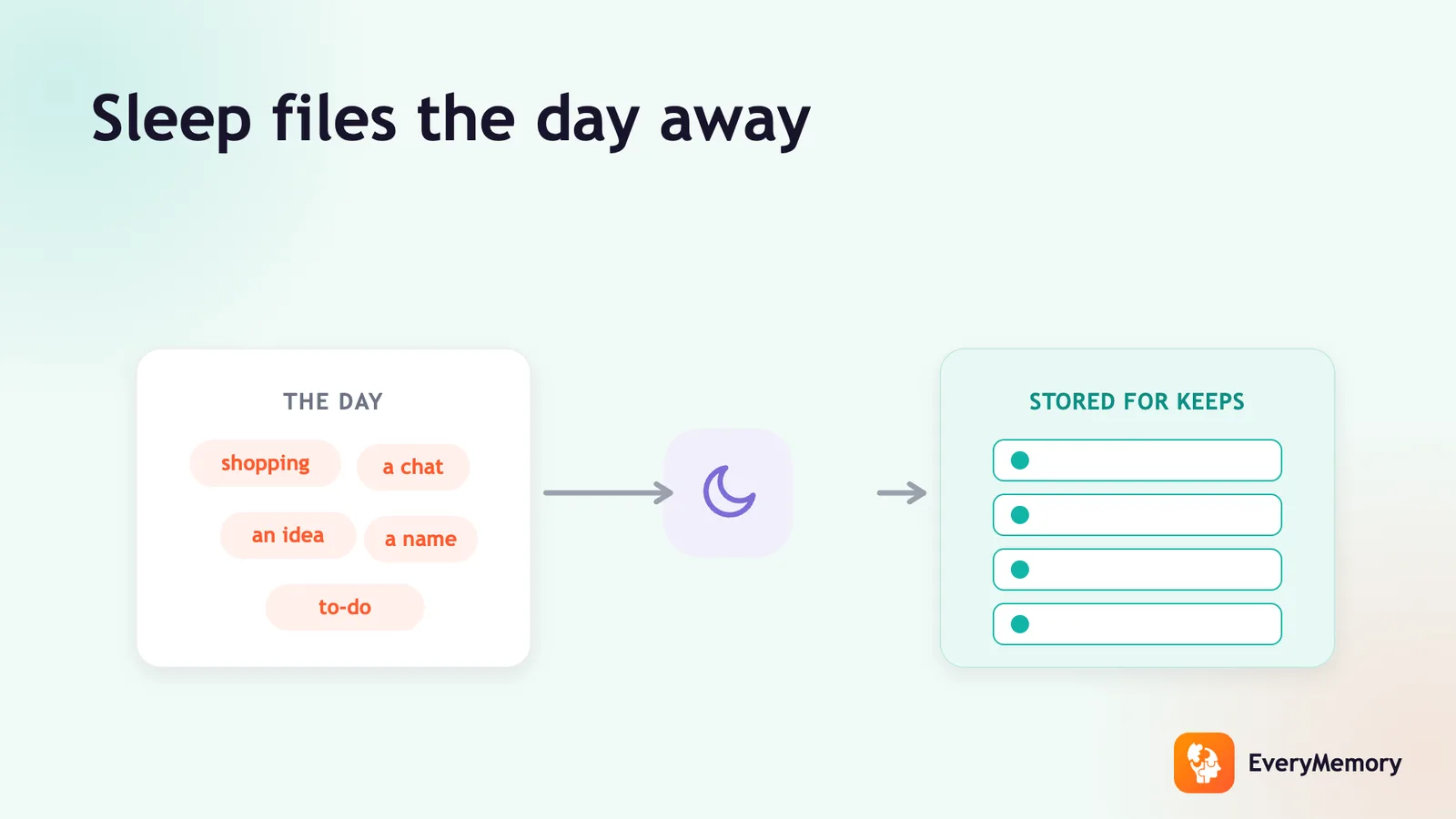
Of all the everyday contributors to memory fog during menopause, poor sleep is arguably the most powerful - and the most overlooked. Night-time hot flushes and sweats are experienced by a majority of women during this transition, often waking them multiple times a night. Broken, fragmented sleep doesn't deliver the deep, restorative stages the brain relies on to consolidate memories and restore mental sharpness.
When night after night brings waking, it's almost impossible to separate "menopause brain fog" from plain sleep deprivation. The two overlap so completely that improving sleep quality often brings a notable improvement in how clear and sharp daytime thinking feels. Our piece on the sleep and memory connection explains the mechanisms in practical detail.
- A cool sleep environment can meaningfully reduce the number of night-time hot flushes that disrupt sleep.
- A consistent wind-down routine - dim lights, a regular bedtime, limiting screens - helps regulate the sleep-wake cycle.
- If broken sleep has become a persistent pattern for months, it's worth discussing with a doctor, as there are several evidence-based approaches that don't involve medication.
Stress, emotional load, and working memory
Midlife tends to arrive with a heavy agenda: many women at this stage are simultaneously managing careers, caring for children or ageing parents, navigating relationship changes, and absorbing financial pressures - all while their body is going through a significant internal transition. This sustained mental and emotional load has real effects on memory and concentration.
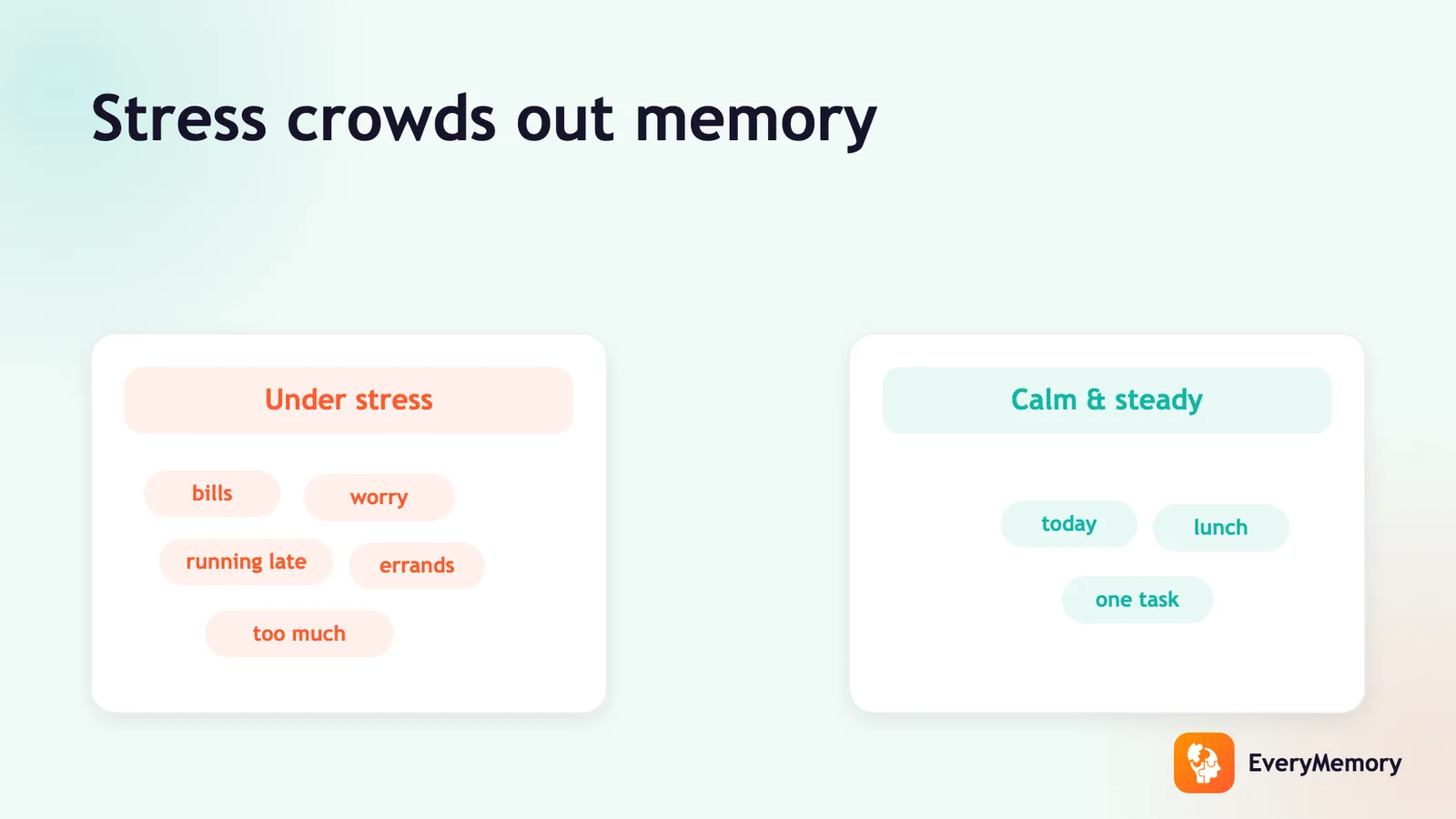
Chronic stress keeps the brain in a kind of low-level alert mode that is genuinely draining for focused thinking. Working memory - the mental workspace used to hold and manipulate information in the moment - is particularly vulnerable to stress and emotional fatigue. When it's overtaxed, the result can look a lot like forgetfulness: forgetting what you came to do, losing track of a conversation, or struggling to absorb new information.
Our article on whether stress makes you more forgetful explores this link in more depth. The practical insight is that managing mental load - not just working harder - is one of the most effective levers available.
Hormonal shifts in plain terms
During perimenopause, oestrogen levels don't simply drop - they fluctuate unpredictably, rising and falling before eventually settling lower after menopause. Progesterone, which supports sleep and has a calming effect on the nervous system, also declines.
These fluctuations affect not just the reproductive system but the broader body - including mood regulation, sleep architecture, and the brain systems involved in attention and recall. Many women describe their most difficult cognitive moments coinciding with the most irregular hormonal phases. The good news is that the picture tends to stabilise for many women as the transition settles, particularly when sleep and stress are managed well. Our piece on memory loss vs. normal aging offers useful context on what normal cognitive variation looks like across adult life.
Practical everyday supports
There is no single fix, but a consistent set of everyday habits is linked with noticeably better cognitive wellbeing during this transition. Small, sustainable changes tend to outperform dramatic ones.
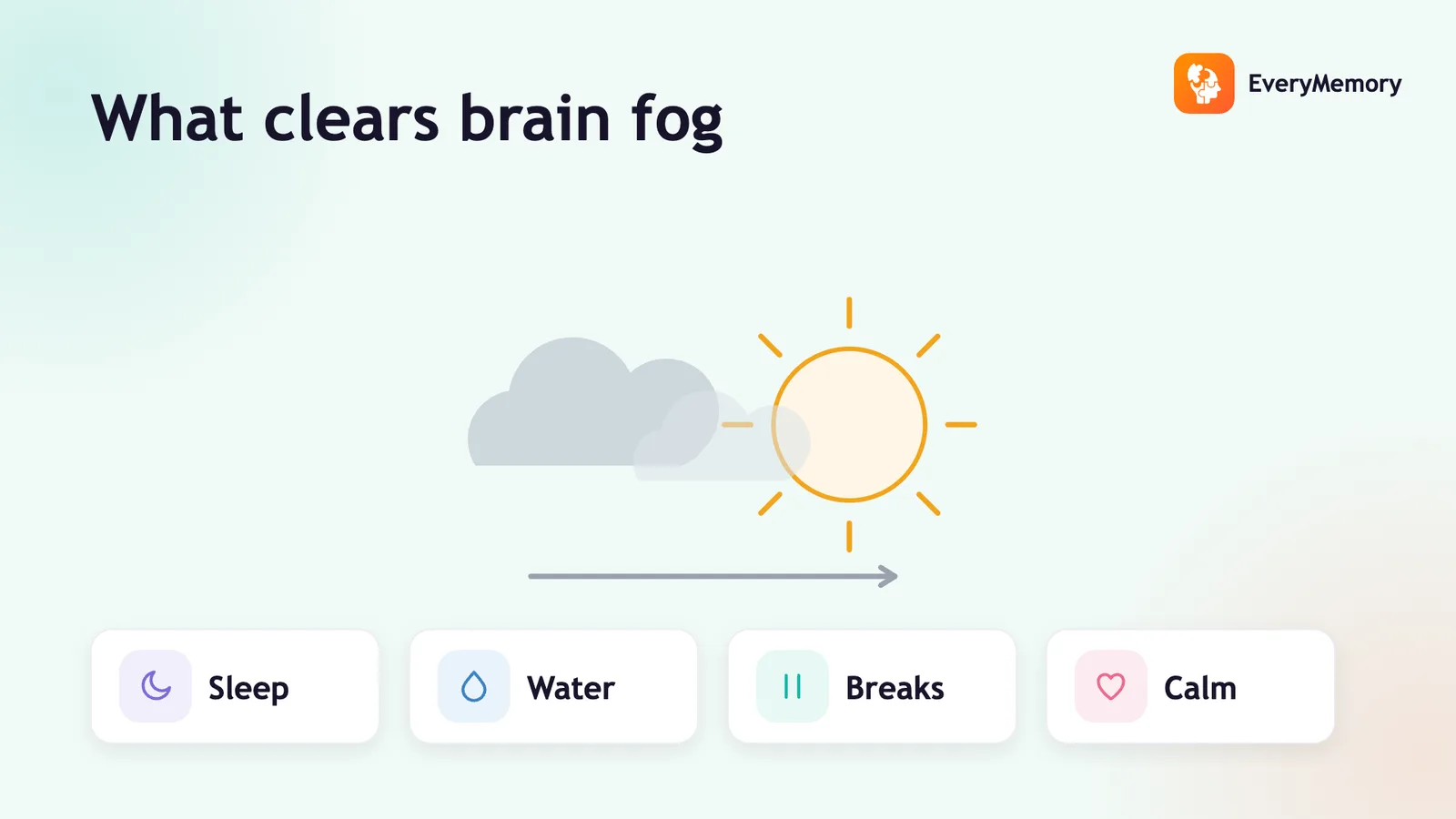
- Prioritise sleep quality - cooler bedroom, consistent schedule, and a calming wind-down are the highest-leverage starting points.
- Move regularly - even brisk walking for 20–30 minutes most days is associated with better mood, sharper attention, and more restorative sleep.
- Manage stress actively - identifying one or two genuine sources of relief (a walk, time outside, a creative activity, breathing exercises) and making them non-negotiable matters more than any supplement.
- Track your patterns - keeping a simple daily note of sleep quality, stress level, and cognitive feel for a few weeks can reveal which factors most reliably affect your thinking. This kind of self-observation is also useful context if you speak with a doctor.
- Stay socially and mentally engaged - conversations, learning new things, and regular mental activity are consistently linked with better cognitive function. Our article on brain fog and what helps covers this further.
Many women find that better sleep and regular movement make the biggest difference to day-to-day clarity - and neither requires a prescription, just consistency.
✅ Try this today - A one-week memory and fog journal
For seven days, spend two minutes each evening noting these four things - patterns often emerge that point clearly to the main driver.
- Sleep score: Rate last night's sleep 1–5 and note any wake-ups or hot flushes. After a week, check whether low-sleep nights reliably precede foggy mornings.
- Stress level: Rate today's mental load 1–5 and jot one word ("hectic", "calm", "worried"). See whether high-stress days predict forgetful afternoons.
- Movement: Note yes or no - did you take a walk or do any sustained activity today? See whether movement days feel sharper.
- Fog moment: Write one sentence about any focus difficulty - what was happening and whether you'd slept poorly. After a week you'll have a useful picture to share with a doctor if needed.
⚠ When to talk to a professional
If memory changes feel sudden, severe, or rapidly worsening - or are causing significant distress or affecting daily life - please talk with a doctor or qualified healthcare professional. This is especially important if changes feel very different from the mild, variable pattern described here. A professional can assess what's happening and rule out other causes.