 EveryMemory
Do Seasons Affect Your Memory and Focus?
From winter sluggishness to summer heat, the changing seasons have a surprisingly real effect on how clearly we think - and gentle habits can help year-round.
Part of the guide: How to Keep Your Brain Healthy: A Complete Lifestyle Guide →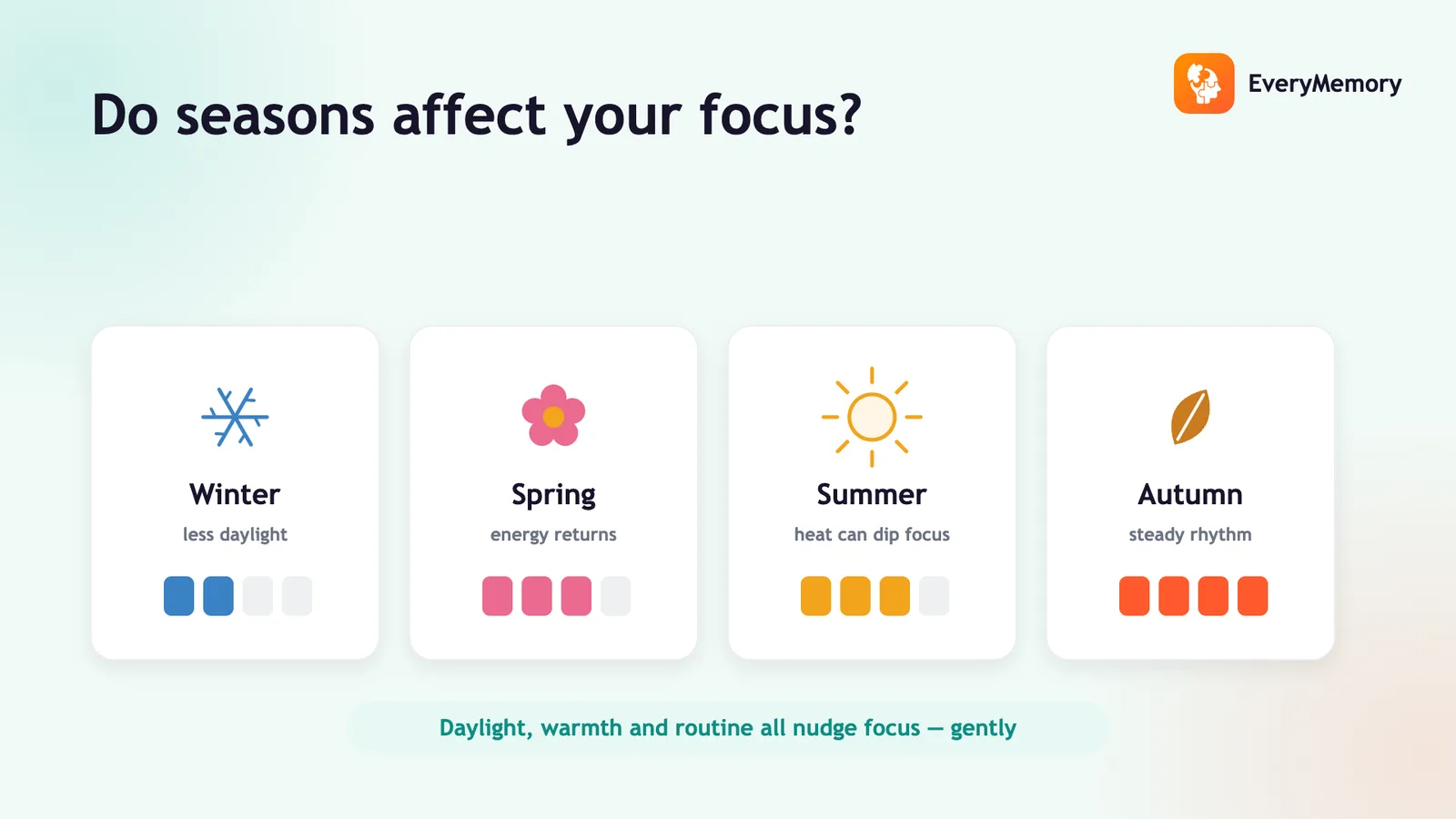
⚡ Quick answer
Yes, seasons are linked with measurable changes in attention, working memory, and mental energy. Winter's shorter days reduce light-driven serotonin and disrupt sleep, both of which are associated with reduced mental sharpness. Summer heat combined with inadequate fluid intake can affect sustained attention. Keeping up with daylight exposure, sleep routines, movement, and hydration across the seasons helps support more consistent thinking throughout the year.
Key takeaways
- Seasons genuinely interact with attention and memory - winter light loss and summer heat are both linked with reduced mental sharpness, but the effect is normal and manageable.
- Consistent sleep and wake times anchor the circadian rhythm that underlies daily mental energy, making them the most important year-round habit.
- Ten to twenty minutes of outdoor daylight in the morning supports alertness, serotonin balance, and sleep quality more than most other single habits.
- Older adults are at higher risk of mild dehydration in summer, which quietly reduces sustained attention - drinking water before feeling thirsty is the simplest safeguard.
Most people notice a shift in how they feel and think as the year turns - a heaviness that settles in during the darker months, or a fogginess that can accompany a stretch of hot summer days. These are not simply moods. Research suggests the seasons interact with brain chemistry, sleep, and daily routine in ways that genuinely influence how well you concentrate and recall things.
The effect is real enough to be worth understanding, and modest enough that practical habits can make a meaningful difference. This article looks at what actually changes across the seasons and what you can do - gently and simply - to support your thinking all year round.
How seasons interact with the brain
The brain's ability to focus and recall is closely tied to the circadian rhythm - the 24-hour internal clock calibrated by light and darkness. As seasons shift, so does daylight length and intensity, sending different signals to the brain about alertness, sleep readiness, and hormone balance.
A study published in the Proceedings of the National Academy of Sciences measured brain activity linked to sustained attention and working memory across all four seasons. Attention-related responses were highest in summer and lowest in winter; working memory responses peaked in autumn. The differences were not dramatic, but they were consistent - suggesting that seasonal variation in thinking is a normal feature of how the brain operates, not a sign that something is wrong.
Winter: shorter days, slower thinking
When daylight hours shrink in winter, the brain receives less of the light signal that drives serotonin production. Serotonin plays a role in mood, alertness, and the ability to hold information in mind - lower turnover is associated with reduced mental energy and slower processing. At the same time, the brain produces more melatonin earlier in the evening, pulling sleep onset earlier and making mornings feel heavier.
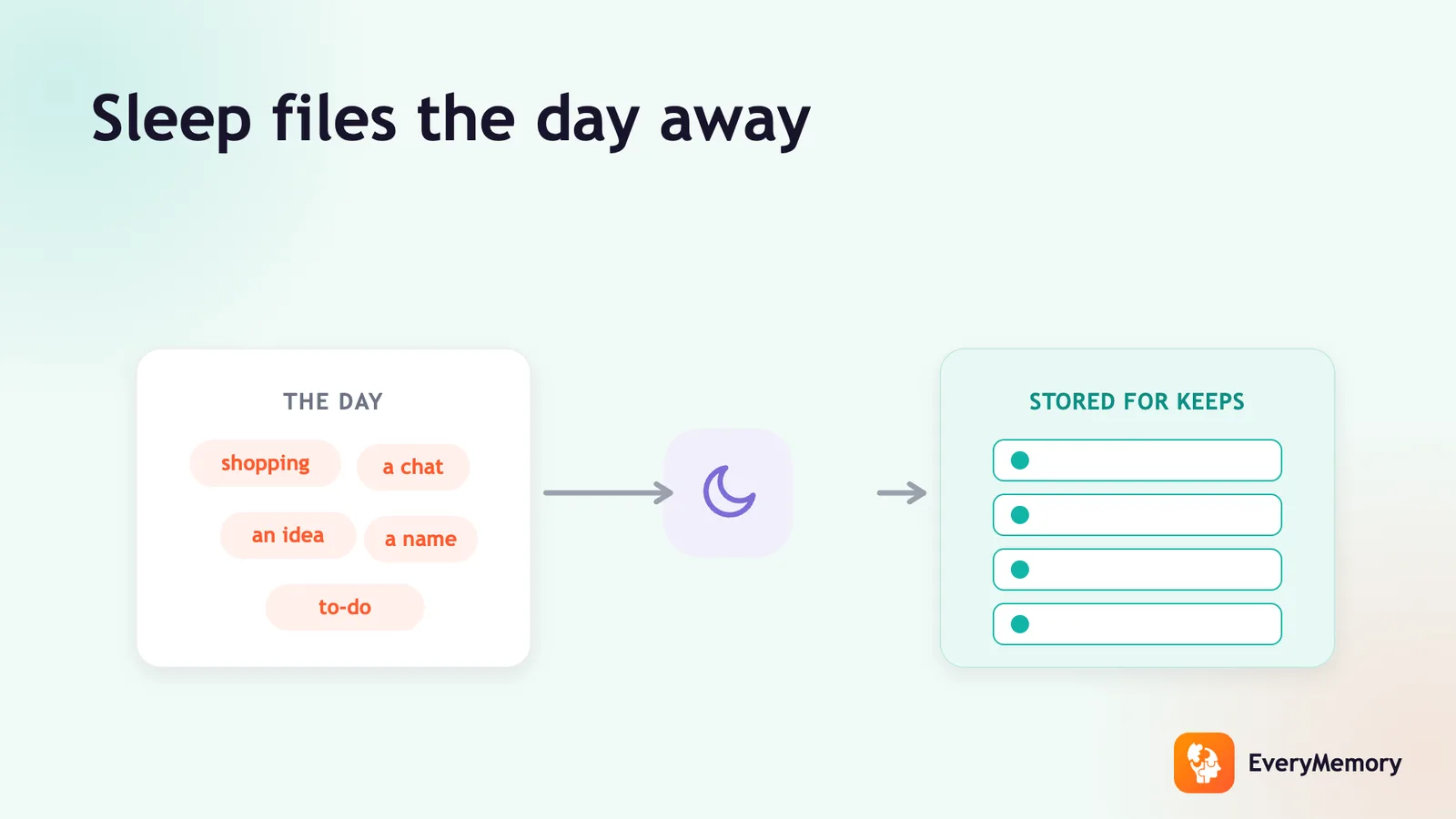
Disrupted sleep is one of the most consistent links to reduced memory performance. During deep and REM sleep, the brain consolidates experiences into longer-term memories - a process that depends on sleep quality, not just duration. When winter shortens and fragments this cycle, recall can suffer. Our article on the sleep and memory connection explains the mechanism in more detail.
Winter also tends to disrupt the daily structure that keeps thinking sharp - outdoor movement decreases, routines drift, and social contact often thins. These small accumulated changes add up in their effect on focus.
Summer: heat, hydration, and attention
Summer brings the opposite challenge. Longer days and more light tend to support alertness - but heat introduces a different pressure. The brain is highly sensitive to fluid balance, and even mild dehydration is associated with reduced sustained attention and slower information processing.
Older adults are particularly vulnerable here because the sense of thirst weakens with age. On hot days, mild underhydration can quietly undermine focus in ways that feel like tiredness rather than thirst. Drinking water consistently throughout the day - rather than waiting to feel thirsty - is one of the most practical steps available. Our article on hydration and focus in older adults covers how much and when.
The role of routine in year-round mental sharpness
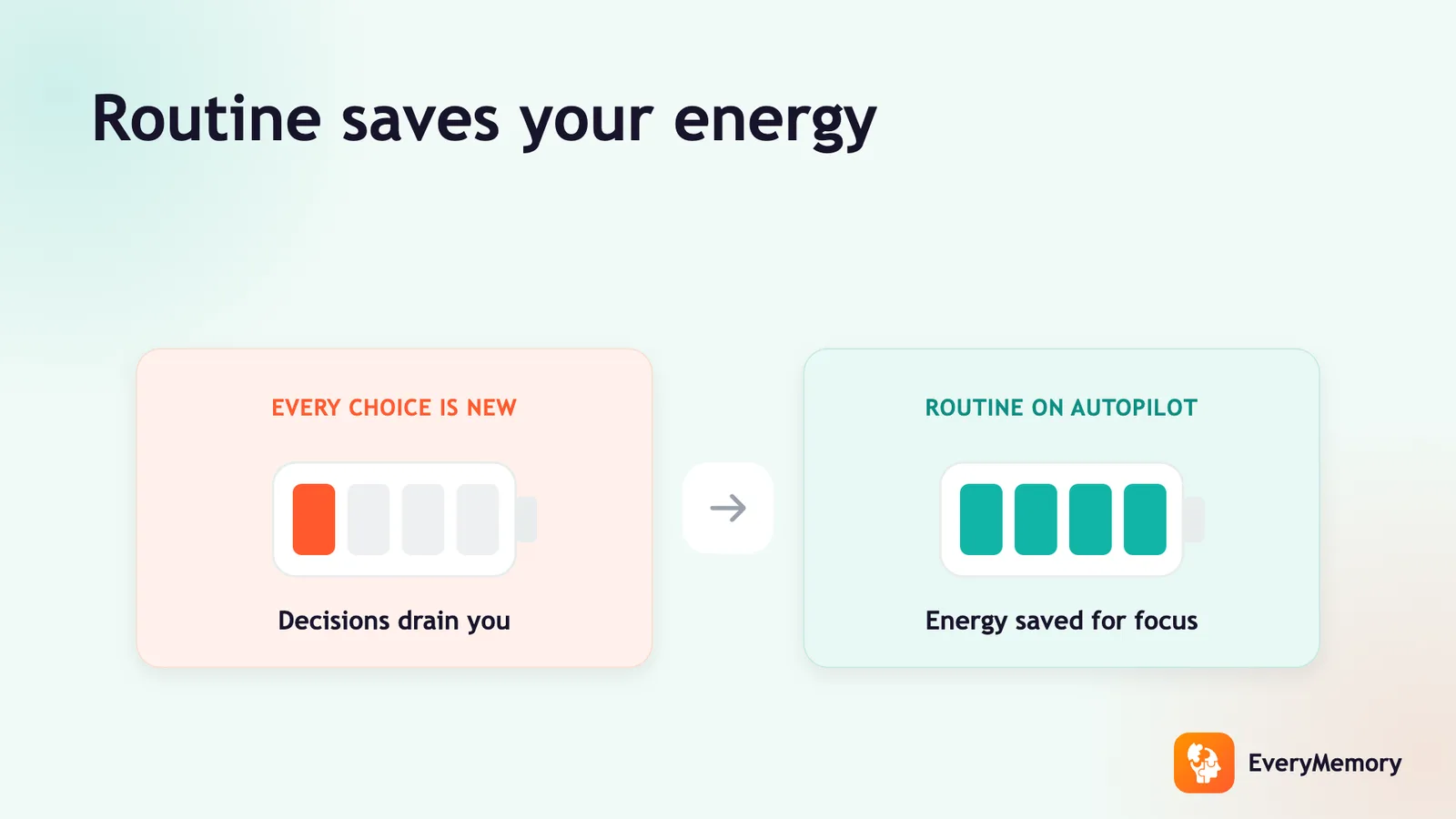
Across all seasons, one factor consistently supports focus and memory: a reliable daily routine. Predictable rhythms of waking, eating, moving, and resting reduce the mental load of planning and free up cognitive resources for recall and learning. Our article on why routine matters for focus examines the evidence in depth.
Seasonal transitions are exactly when routines slip. Shorter winter days invite later mornings; long summer evenings push bedtime later. Re-anchoring after any seasonal shift does not require big changes:
- A consistent wake time - even on weekends - is one of the most powerful stabilisers of the sleep-wake cycle.
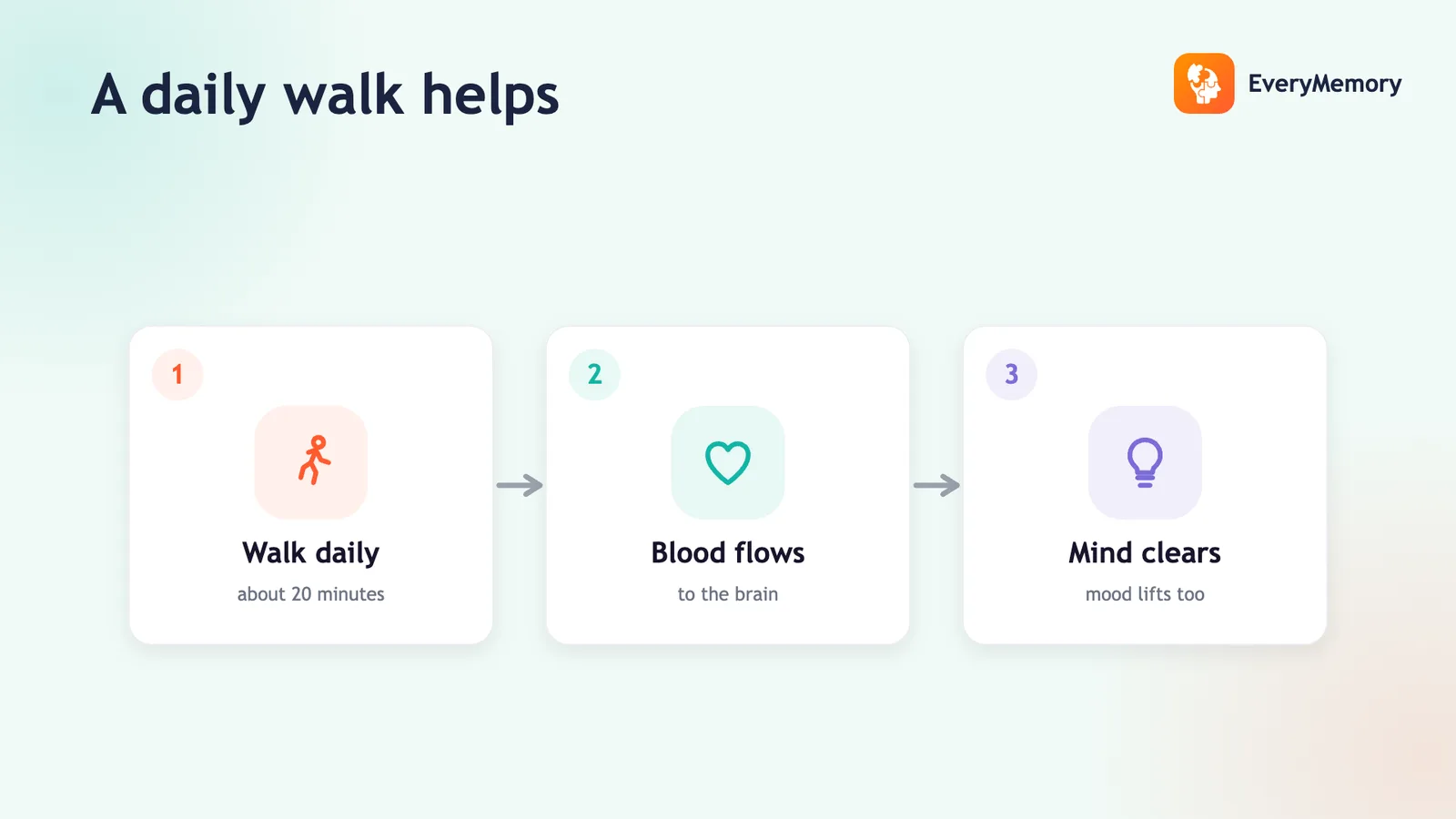
- A brief outdoor walk in the morning exposes the retina to natural light, which signals the brain to reduce melatonin and increase alertness.
- Limiting screens in the hour before bed helps the evening melatonin rise proceed at the right pace, improving sleep onset and depth.
Getting more daylight, whatever the season
Daylight is one of the most reliably helpful inputs for brain function - and it is free. Light entering through the eyes triggers the release of serotonin and calibrates the circadian rhythm. Even on a grey winter day, outdoor light is many times brighter than typical indoor lighting.
For older adults who spend most of their time indoors, ten to twenty minutes outside in the morning can make a real difference to alertness and mood. Brisk walking adds the benefit of increased blood flow to the brain - our piece on walking and brain health covers this in detail. On days when going outside is not practical, sitting beside a bright window in the morning is a useful second-best.
Keeping perspective: seasonal variation is normal
Some seasonal variation in mental energy is normal. Feeling a little slower in deep winter reflects how the brain responds to light, temperature, and routine - it is not a sign that something is wrong with your memory.
The habits here - consistent sleep, morning light, movement, and hydration - are supportive, not prescriptive. Small adjustments at seasonal transitions produce the most benefit with the least effort. For a broader look at keeping thinking sharp over time, our guide on how to keep your brain healthy brings together many of these threads.
✅ Try this today - The Seasonal Reset Check-In
At the start of each new season, spend five minutes with these three questions.
- Am I getting outdoor light in the morning? Even ten minutes outside within two hours of waking helps calibrate alertness and sleep quality. If the answer is no, pick one simple morning activity - a short walk, sitting outside with coffee - and anchor it at the same time each day.
- Is my sleep routine drifting? Check whether your wake time has shifted more than forty-five minutes. If it has, move it back gradually - fifteen minutes every few days - rather than trying to fix it all at once.
- Am I drinking water consistently? In summer, carry a bottle and sip before you feel thirsty. In winter, hot drinks count - herbal tea or warm water. The goal is to stay ahead of thirst, not respond to it.
⚠ When to talk to a professional
This article contains general, non-medical information about seasonal factors and everyday thinking. It is not a substitute for medical advice. If you notice sudden, rapid, or worsening changes in your memory or concentration - or changes that affect your ability to manage daily life - please speak with a qualified healthcare professional.