 EveryMemory
Why Gardening Is Good for Your Brain
Gardening quietly engages your memory, senses, planning, and mood all at once, and you do not need a backyard to get started.
Part of the guide: How to Keep Your Brain Healthy: A Complete Lifestyle Guide →
⚡ Quick answer
Gardening supports brain wellness by combining gentle physical movement, sensory engagement, planning and memory practice, time in nature, and a sense of routine and purpose, all within a single enjoyable activity that is accessible at any age or living situation.
There is something quietly satisfying about kneeling in soil, pressing a seed into the ground, and knowing that in a few weeks something living will push its way upward because of you. Gardening has been a human activity for thousands of years, and for good reason, it meets a surprising number of our needs at once.
What is easy to overlook is how much is happening in your brain while you garden. You are planning, remembering, problem-solving, and using your senses all at the same time. You are also moving your body, spending time outdoors, and, if you share a plot or a harvest, connecting with other people.
None of this requires a large plot of land or a green thumb. A windowsill herb pot counts. A single tomato plant on a balcony counts. The brain engagement and the pleasure of tending something living are available to almost everyone, wherever they live.
A whole-brain activity hiding in plain sight
When you garden, you are rarely doing just one thing at a mental level. You are recalling what you planted last season and how it performed. You are reading the current state of your plants and comparing it against a mental model of what healthy looks like. You are making small decisions: water now or wait, move this pot to a sunnier spot, pinch back that stem. This layered, low-stakes problem-solving is exactly the kind of thing that keeps a mind engaged without feeling like a chore.
Planning is a big part of it too. Deciding what to grow, sketching out where things will go, working out a watering schedule, keeping track of which seeds are which, these are genuine memory and organisational tasks dressed up as a hobby. Unlike abstract puzzles, they come with built-in feedback: the plant either thrives or it does not, and you adjust. That feedback loop makes the whole process feel meaningful rather than arbitrary.
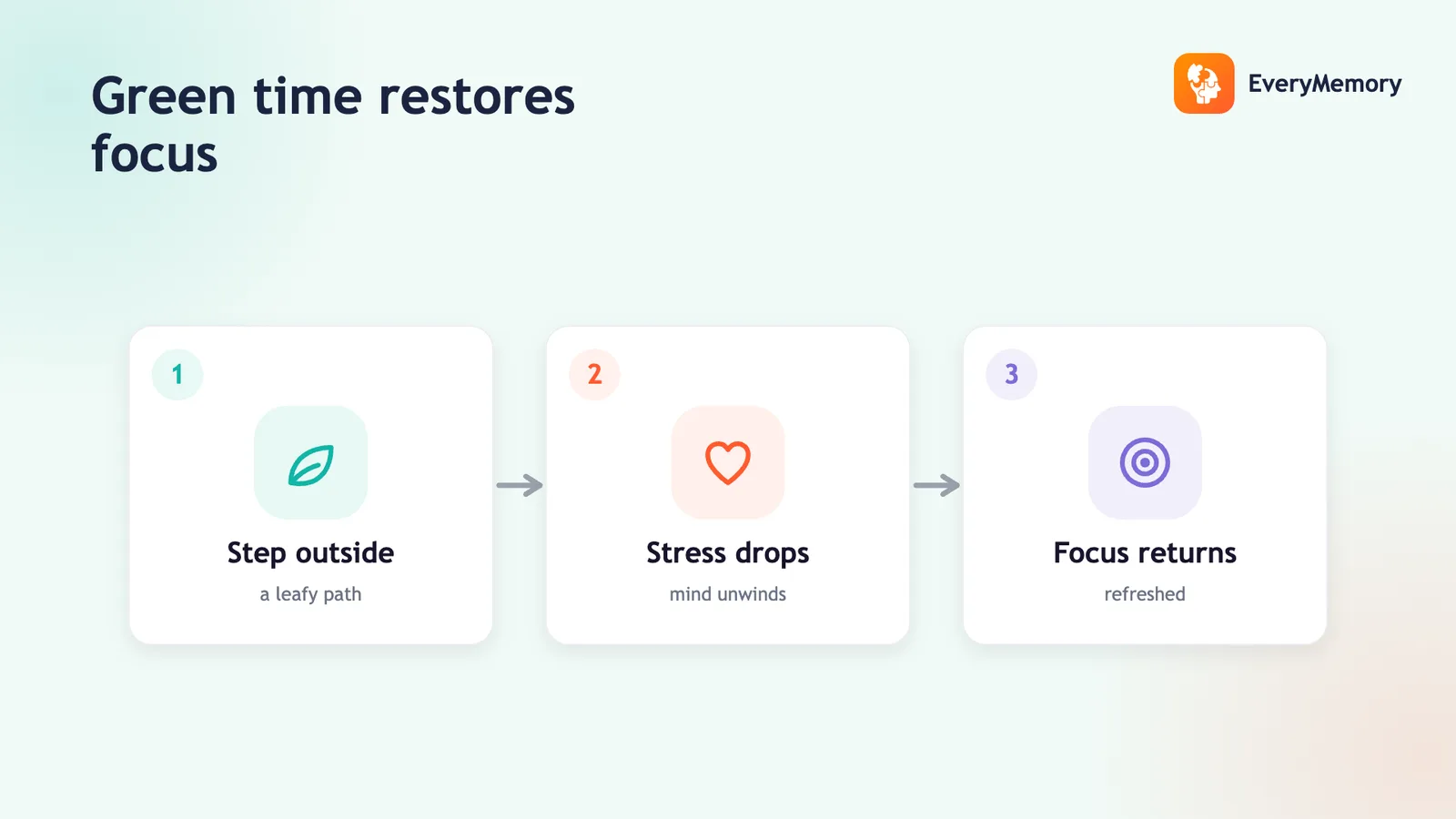
Gardening also calls on your senses in an unusually rich way. The texture of soil, the smell of herbs, the colour changes as a plant matures, the sound of birdsong or rain, sensory-rich environments are linked to feeling more alert and present, and time in nature is associated with a quieter, more restorative mental state.
The gentle movement you barely notice
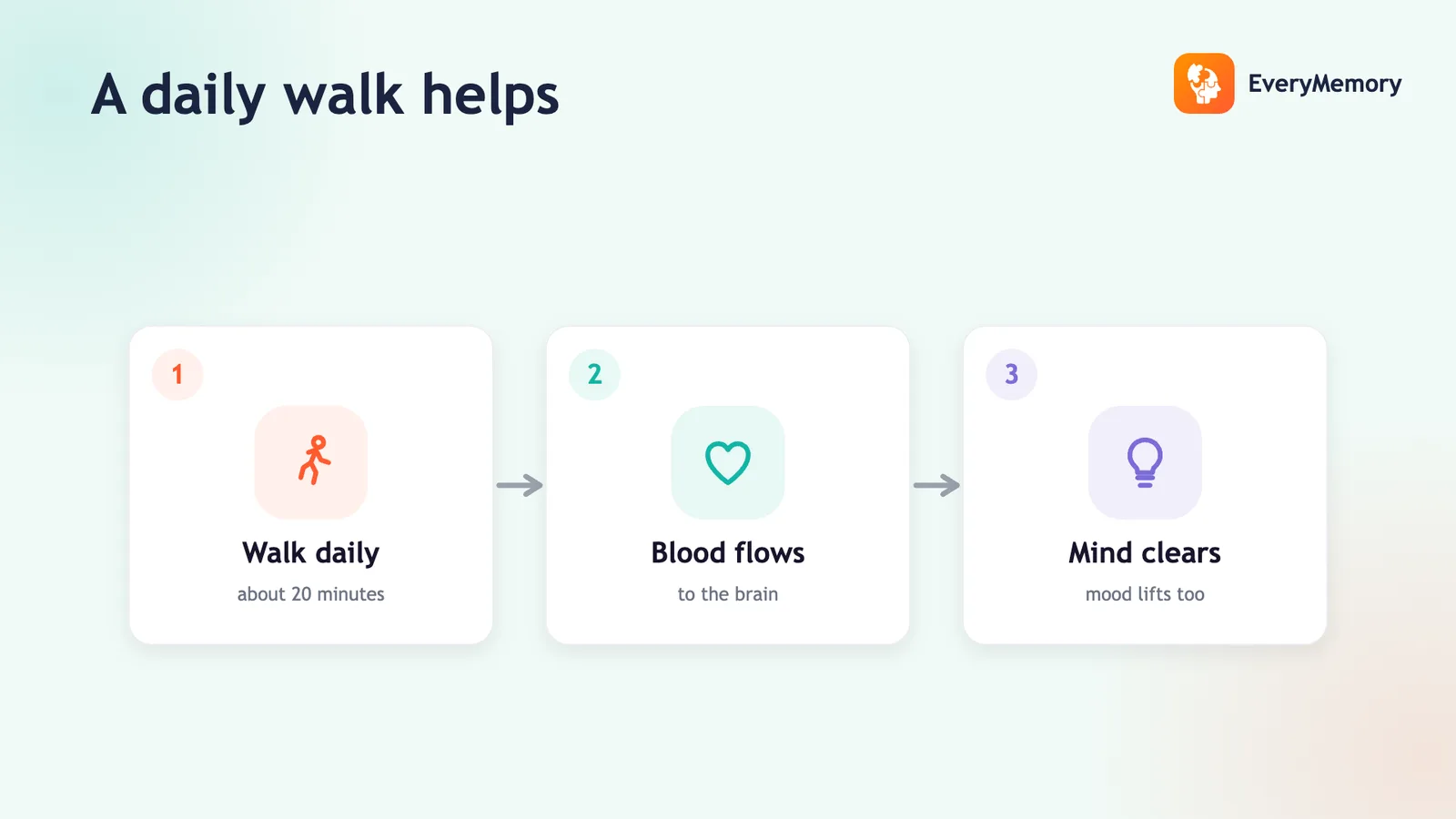
Gardening is physical activity that rarely feels like exercise. Digging, raking, carrying watering cans, kneeling and standing, reaching and carrying, these movements add up. For older adults especially, regular gentle physical activity is one of the most widely cited habits associated with long-term physical and mental wellbeing. The research consistently points in the same direction: moving your body supports your brain.
What makes gardening different from a gym session is that the movement is purposeful and varied. You are not repeating the same motion on a machine, you are responding to a living system that changes every day. That variability means your body and attention are constantly making small adjustments, which is a different and arguably more natural kind of physical engagement.
Even very light gardening counts. Potting a plant, snipping herbs, or simply carrying a small watering can from the sink to a windowsill tray involves standing, balancing, and fine motor control. For anyone with mobility limitations, container gardening and raised beds bring the activity up to a comfortable height so it remains accessible and enjoyable.
Stress, mood, and the value of working with your hands
One of the most consistent findings about time spent outdoors and working with natural materials is the effect on stress and mood. Many people describe gardening as genuinely calming, not in a passive way, but as an absorbing focus that seems to crowd out anxious or repetitive thoughts. You are attending to something real and immediate, which has a grounding effect.
Chronic stress is one of the factors most associated with poorer mental performance and lower energy over time. Hobbies that reliably reduce stress, gardening among them, are therefore indirectly supportive of the kind of mental clarity and attentiveness that makes everyday life feel easier to navigate.
There is also something particular about working with your hands that many people find satisfying at a level that is hard to explain rationally. Craft, repair, cooking, and gardening all involve making something tangible. The sense of accomplishment when you harvest even a handful of herbs you grew yourself tends to feel disproportionately good. A sense of purpose and routine, knowing that something depends on you showing up regularly, is its own form of mental anchor.
The social side of gardening
Gardening does not have to be solitary. Community gardens are one of the most underrated social spaces available, particularly in cities. They bring together people of different ages and backgrounds around a shared, low-pressure purpose. Conversations happen naturally over the fence about what is working, what pests showed up, what to do with a glut of courgettes.
Sharing produce is another quiet social practice. Leaving extra tomatoes with a neighbour, swapping cuttings, or bringing herbs to a friend creates small but genuine connections. Social engagement is one of the factors most consistently linked to wellbeing across the lifespan, and gardening provides a natural, unforced context for it.
Even following gardening content online, forums, videos, social groups dedicated to particular plants or methods, can be a form of community. Asking for advice, sharing a photo of your first bloom, contributing to a collective body of knowledge: these are social acts that feel grounded and purposeful rather than performative.
You do not need a garden to start
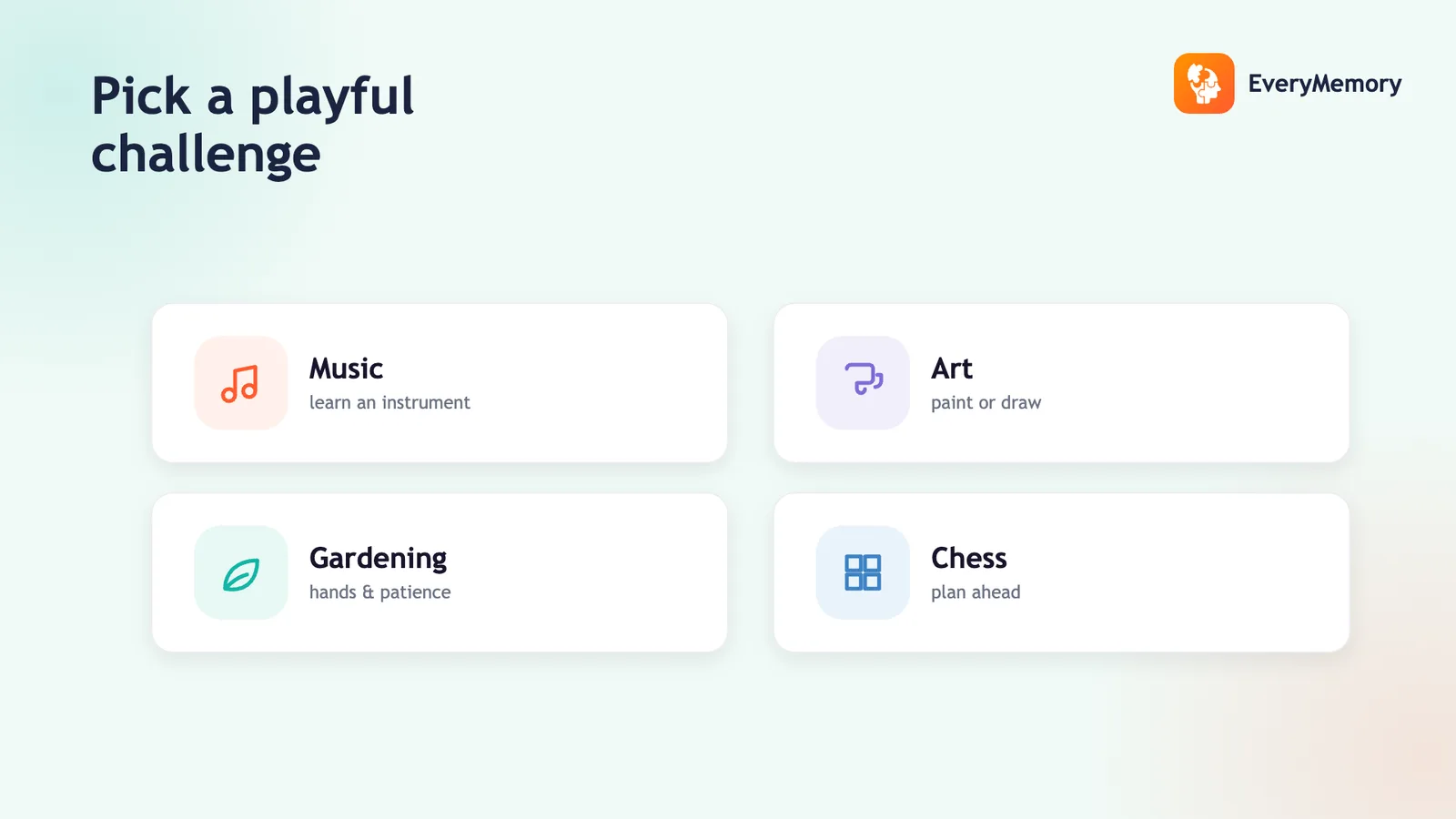
The single biggest barrier people report to gardening is not having outdoor space. But container gardening, windowsill growing, and houseplants all offer genuine versions of the same experience. A pot of basil on a kitchen windowsill still involves planting, watering, observing, and harvesting. A trailing pothos on a shelf still rewards attention and care.
Herbs are a particularly good entry point: they are fast-growing, useful in cooking (which adds a second layer of purpose), forgiving of beginner mistakes, and available from almost any supermarket or garden centre. Mint, basil, chives, and parsley are all straightforward. Salad leaves grow quickly and can be cut-and-come-again, which means you get regular feedback and reward.
For anyone curious about broader approaches to keeping their mind active through enjoyable activities, hobbies for brain health offers a wider look at how different leisure pursuits contribute to mental engagement. Gardening sits comfortably alongside many of them, and unlike most, it also produces lunch.
✅ Try this today - Start one small grow-something project this week
You do not need a plan, a plot, or any prior experience. Pick the simplest possible starting point and see what happens.
- Buy or repurpose a small pot and pick one easy plant, a supermarket herb like basil or mint, or a packet of salad seeds. Put it somewhere you will see it every day.
- Set a simple watering reminder and check in on it each morning for 30 seconds. Notice any changes: new leaves, the soil drying out, a stem leaning toward the light.
- After two weeks, note what is working and what is not, and decide on one small adjustment, more light, a bigger pot, a second plant. That planning and reflecting is the whole practice in miniature.
⚠ When to talk to a professional
If you have mobility limitations or health conditions that affect physical activity, choose container or raised-bed gardening and adapt the activity to what feels comfortable - no specific level of exertion is required to enjoy the benefits.