EveryMemory
Long COVID Brain Fog: What Older Adults Report
Foggy thinking, word-finding trouble, and mental fatigue are among the most commonly reported experiences after COVID-19 - here is what older adults describe and what gently helps.
Part of the guide: Understanding Memory Loss and Forgetfulness: A Calm, Reassuring Guide →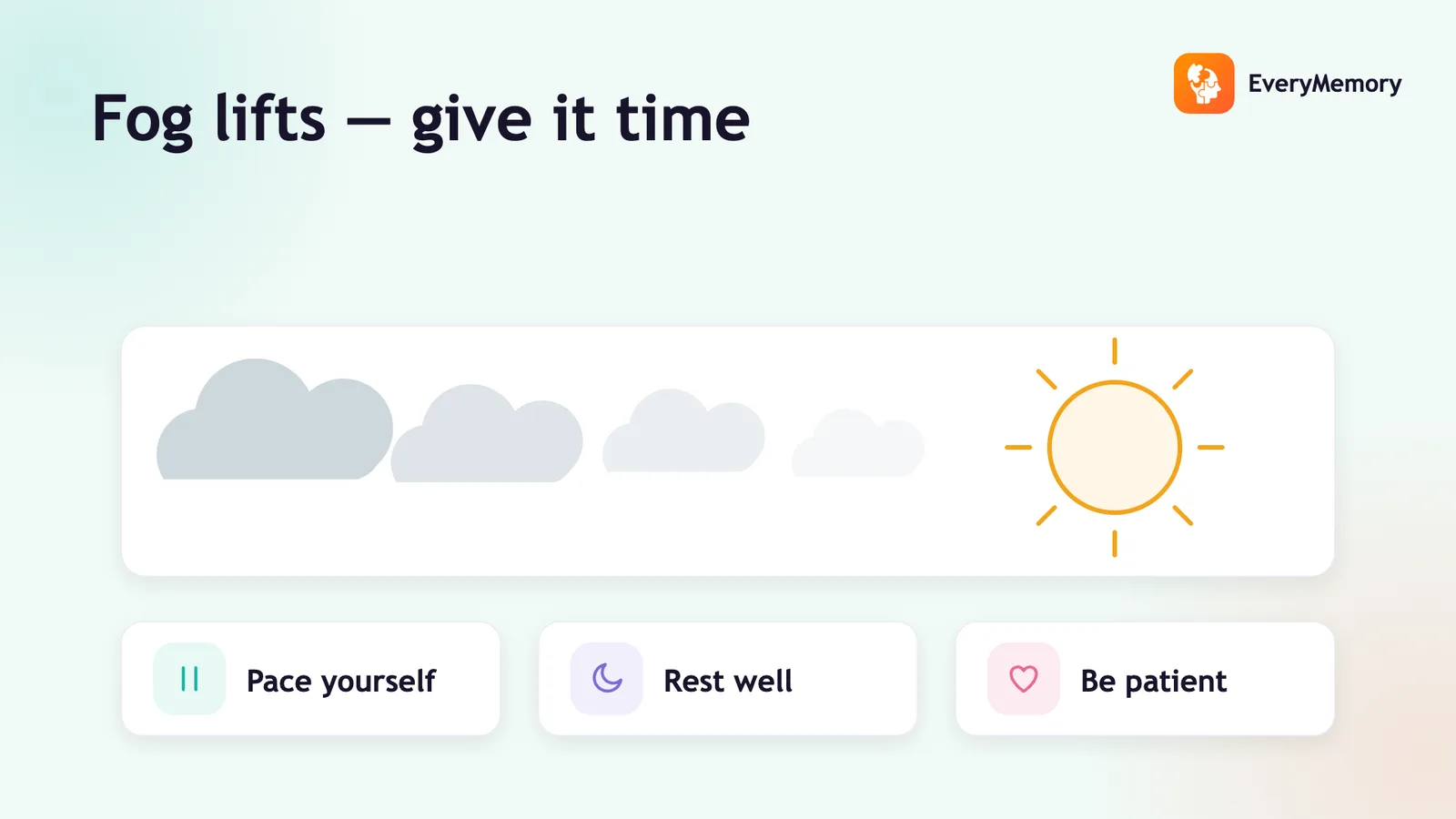
⚡ Quick answer
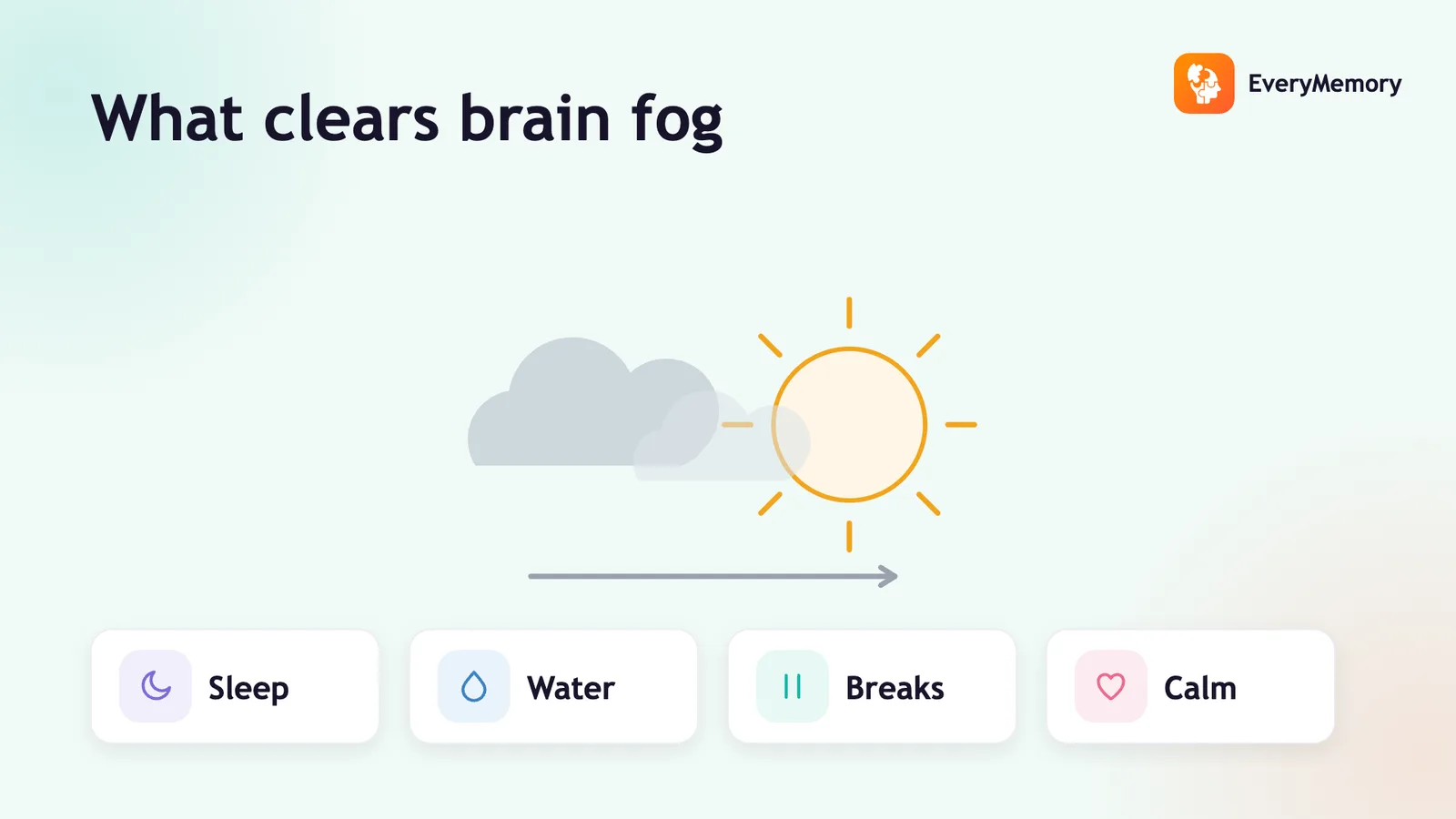
Brain fog during or after long COVID commonly refers to a cluster of experiences - foggy or slow thinking, trouble finding words, difficulty concentrating, and mental fatigue that arrives more quickly than usual. These symptoms are widely reported after viral illness generally, and many people find they ease gradually over weeks or months. Pacing rest alongside activity, prioritising sleep, and reducing unnecessary mental load are the supports most often recommended while recovery is under way.
Key takeaways
- Foggy thinking, word-finding difficulty, and mental fatigue are among the most commonly reported experiences after COVID-19.
- Post-viral brain fog is associated with immune system activity, sleep disruption, and stress - all of which are addressable.
- Pacing, consistent sleep, gentle movement, and reducing mental overload are the practical supports most often recommended.
- Symptoms that are persistent, worsening, or worrying deserve a conversation with a qualified healthcare professional.
If thinking has felt cloudier since a COVID-19 illness - words slipping away, attention harder to hold, energy draining faster than usual - you are far from alone. Cognitive symptoms after COVID are among the most commonly reported experiences of the post-acute phase, and they have a name: "brain fog." It is not a formal diagnosis, but it captures something real.
This article explains what people commonly describe, why it tends to happen, and what gentle, practical supports many people find useful - while being clear that anything persistent or worrying deserves a conversation with a healthcare professional.
What people commonly report
The term "brain fog" covers a range of experiences. Among people who report cognitive symptoms after COVID-19, difficulty concentrating is described most often, followed by a general mental haziness, forgetting recent things more easily than usual, and tip-of-the-tongue moments - that frustrating pause when a word is clearly there somewhere but refuses to surface.
Mental fatigue is another frequently mentioned aspect: thinking tasks wear you out faster than they used to, and slower processing - needing an extra moment to follow a conversation - comes up regularly too. Our article on brain fog causes and what helps covers the broader landscape; the post-COVID version shares many features, and so do the supportive strategies.
Why this happens after illness
Researchers are still building a fuller picture, but several factors appear to be associated with cognitive symptoms following COVID-19. The body's immune response during illness - the inflammation it deploys to fight the virus - does not always return to baseline quickly. Lingering low-level inflammation is thought to affect how efficiently the brain carries out its everyday processing work.
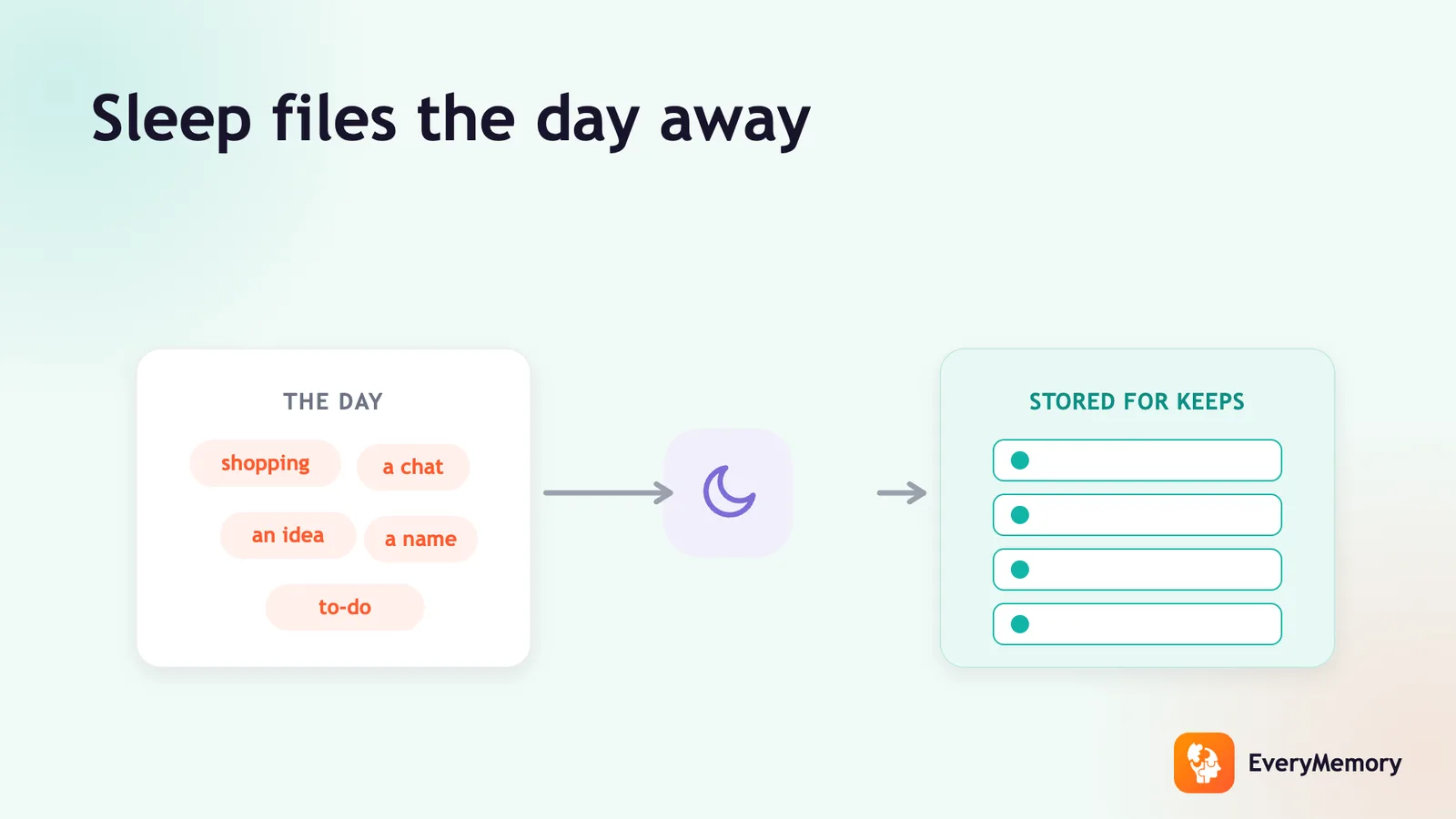
Disrupted sleep during and after illness plays a significant role too. COVID-19 commonly disturbs sleep at the very time the brain needs rest most. The sleep and memory connection helps explain why even a few nights of fragmented rest can leave thinking noticeably dulled for days afterward.
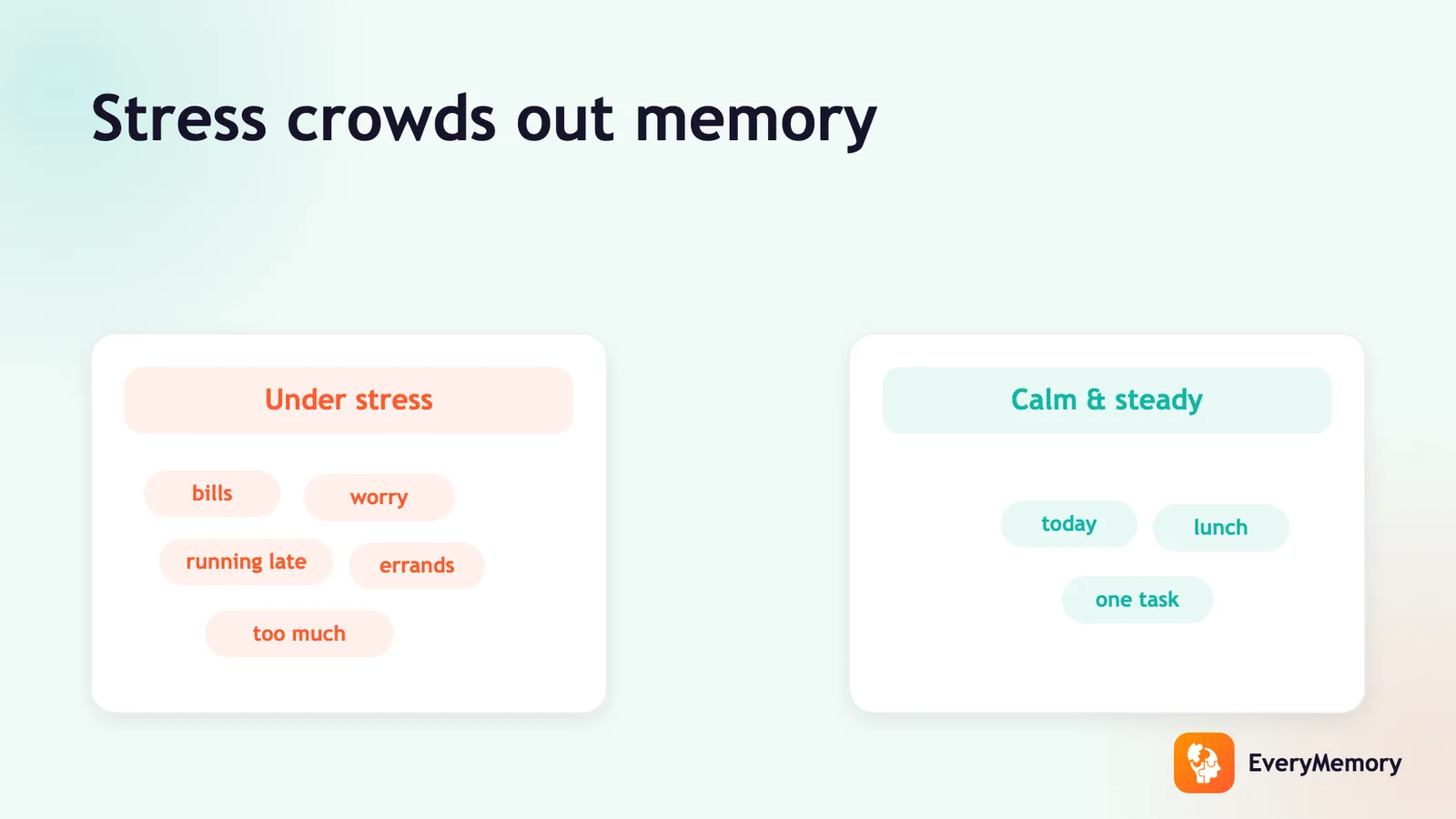
Stress and anxiety about health - entirely understandable after a significant illness - add another layer. Ongoing worry keeps the brain in a low-level alert state that crowds out clear, calm thinking. Our piece on whether stress makes you more forgetful covers this cycle in more detail.
A reassuring pattern: many people find it eases
One of the most important things to hold onto is that cognitive symptoms after viral illness - including COVID-19 - are commonly reported to improve over time for many people. There is no fixed timeline, and the pace varies considerably, but gradual easing over weeks to months is what many people experience.
This means there is real reason for a calm, steady approach rather than alarm - and that everyday supportive habits have a role to play while the brain and body continue settling. A smaller number of people do find symptoms more persistent, which is why tracking your progress and speaking with a healthcare professional if things are not improving matters.
Pacing: the foundation of feeling better
Pacing - the practice of balancing activity and rest deliberately, rather than pushing through until exhaustion and then crashing - is one of the most consistently recommended supports for post-viral fatigue and fog. The key insight is that doing too much on a better day can set things back; steady, sustainable effort tends to work better than boom-and-bust cycles.
In practical terms this means noticing where your energy and clarity actually are each day, not where you wish they were. If a morning of errands takes more out of you than it used to, that is useful information - not a failure. Building in genuine rest periods (not scrolling a phone, which is still cognitive work) helps the brain recover between demands.
- Work in shorter, focused stretches - 20 to 30 minutes - and then take a genuine rest before continuing.
- Resist the urge to pack in extra tasks on a good day; the goal is consistency, not catching up.
- On days when fog is heavier, protect yourself from unnecessary commitments rather than pushing through.
Sleep, gentle movement, and reducing overload
Prioritising sleep is one of the most practical things you can do. Consistent sleep and wake times, a cool and quiet room, and a gentle wind-down before bed all support the restorative sleep the brain needs to consolidate memories and clear the day's processing. If sleep is badly fragmented, that is worth mentioning to your doctor - several treatable sleep conditions become more common in later life.
Light physical movement, when it feels tolerable, is associated with better mood, steadier energy, and improved blood flow to the brain. A short walk outdoors - ten or fifteen minutes - is enough to be meaningful. Our article on walking and brain health explains why this modest habit has such a consistent place in brain-wellness research.
Reducing unnecessary mental overload is the third pillar. Multiple open tasks, noisy environments, and too many notifications all draw on limited cognitive resources. Doing one thing at a time and writing things down rather than holding them in mind eases the load on a brain that is already working harder than usual.
Tracking patterns to understand your own recovery
Because cognitive symptoms after COVID vary so much between individuals, a simple daily record can be genuinely useful. Note whether thinking feels clearer or foggier, alongside any obvious factors - sleep quality, whether you overdid it the previous day, stress levels. Over a few weeks, patterns often emerge: the activities that cost the most energy, the conditions in which you feel sharpest.
This kind of self-knowledge informs better pacing decisions and is useful to share if you do speak with a healthcare professional. Our guide to tracking memory changes month by month offers a straightforward approach that works well here.
✅ Try this today - A gentle daily pacing check-in
Try this brief check-in each morning to help you pace your day more sustainably.
- Rate your clarity: On a 1–5 scale, note how clear or foggy your thinking feels when you wake. Over a few weeks this creates a useful picture of your personal pattern.
- Plan your peak: Schedule tasks that need your best thinking for the time of day when you tend to feel sharpest - for many people, mid-morning.
- Build in a true rest: Reserve at least one 15-minute rest period during the day - sit or lie quietly, no screens. Treat it as a firm appointment.
- End-of-day note: Jot one thing that drained your energy more than expected. Over a week you will see which activities cost the most - helpful for planning ahead.
⚠ When to talk to a professional
If cognitive symptoms after COVID are severe, rapidly worsening, or accompanied by other new symptoms, please speak with a qualified healthcare professional promptly. The same applies if foggy thinking is not gradually improving, is affecting daily life, or is causing you significant concern - a professional assessment is the right next step.