 EveryMemory
How to Improve Your Mental Performance
Mental performance is set by the basics - sleep, movement, stress - and sharpened by training attention and working memory. Protect the foundations, skip the pills.
Part of the guide: How to Keep Your Brain Healthy: A Complete Lifestyle Guide →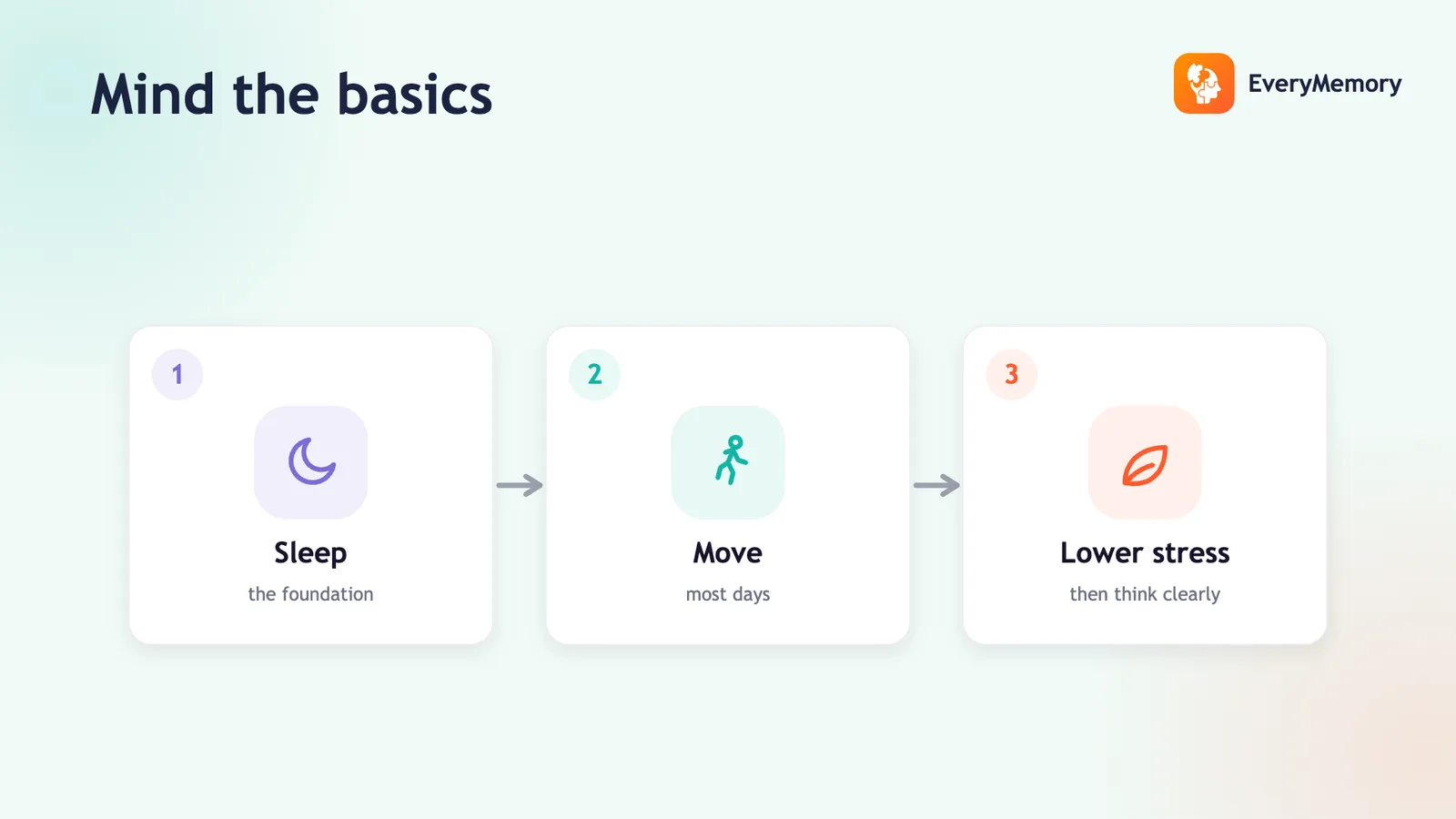
⚡ Quick answer
You improve mental performance less by 'boosting' your brain and more by protecting and training the basics: sleep, physical activity, and managing stress set your ceiling, while focused practice and learning new things sharpen specific skills. Attention and working memory are the everyday engines of mental performance - train and protect those, and skip the pills.
Key takeaways
- Mental performance is set by foundations (sleep, exercise, stress) and sharpened by trained skills.
- Attention and working memory are the everyday engines - train them with short regular practice.
- Learning new things keeps the brain adapting and supports overall sharpness.
- Skip 'nootropics' and brain boosters; the dependable levers aren't in a bottle.
"Mental performance" sounds like something you boost with a supplement. In reality it's set by unglamorous foundations and sharpened by specific, trainable skills.
Here's what actually moves it, and what to ignore.
What mental performance really is
It's how well you focus, hold and use information, think clearly, and respond under demand. None of that is a single dial - it's a set of skills resting on your physical state. So improving it means raising the floor (the basics) and training the specific abilities you use most.
The foundations that set your ceiling
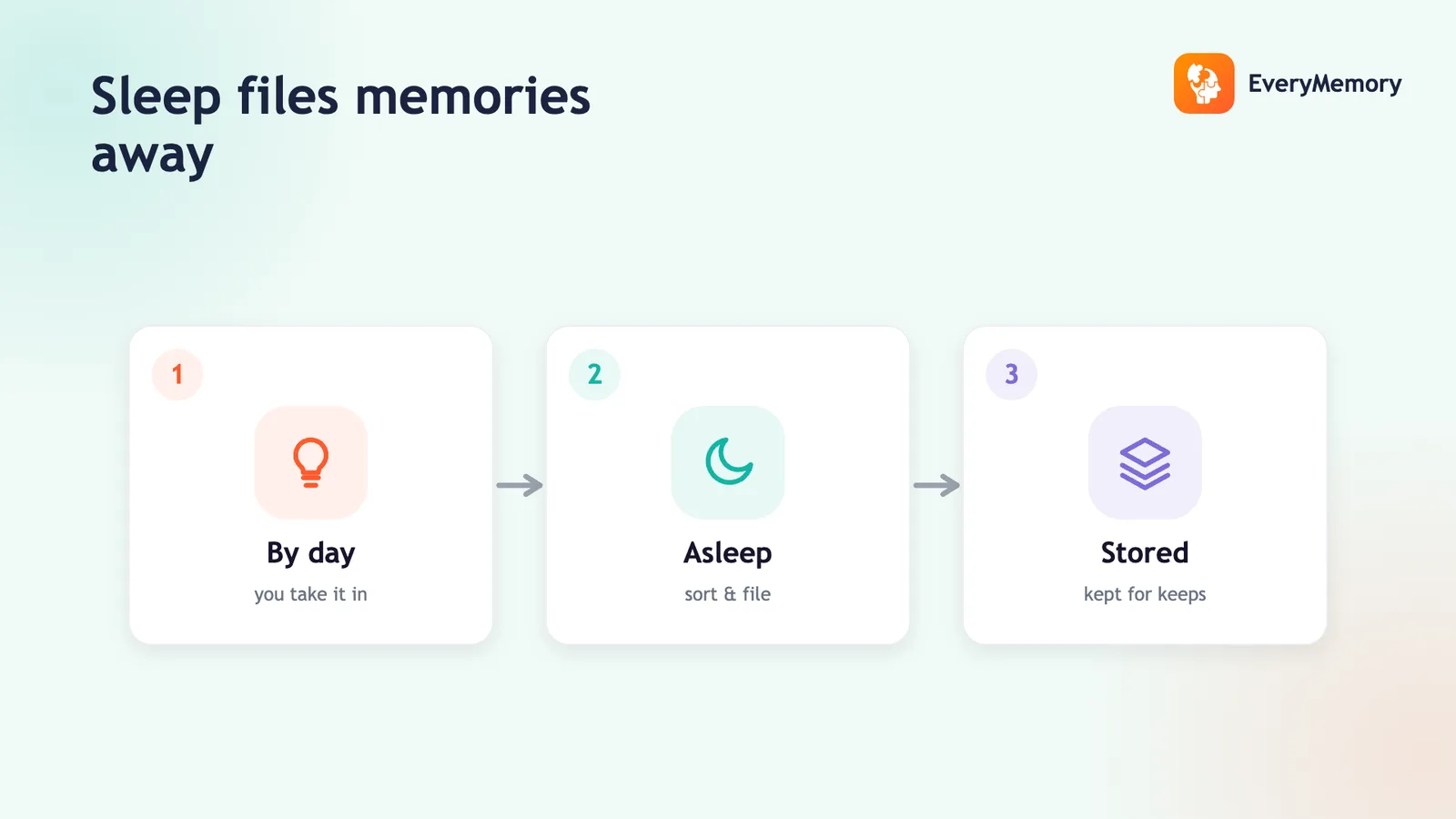
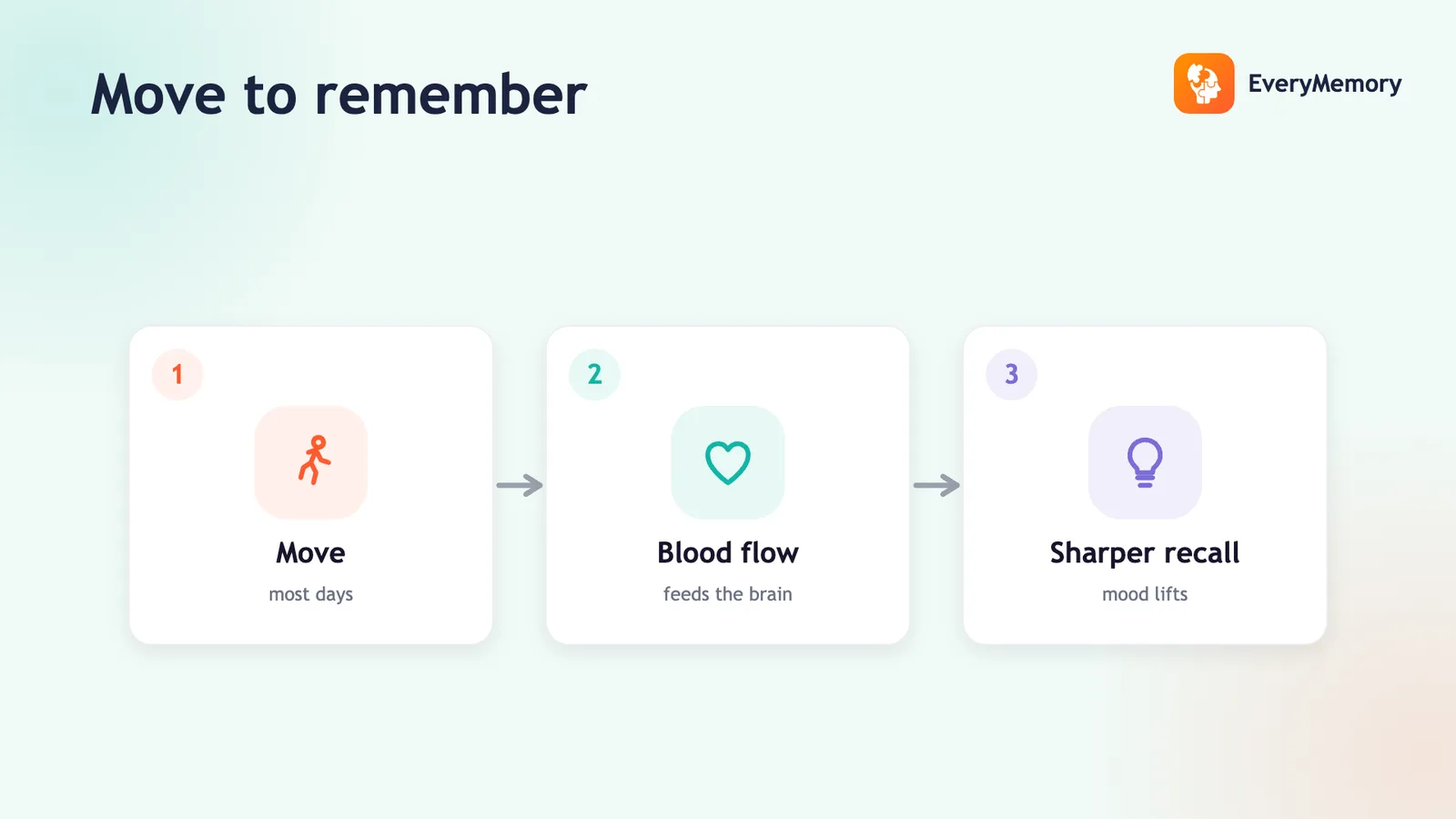
No technique compensates for a depleted brain. Sleep consolidates memory and powers next-day focus (how sleep affects memory); physical activity supports the brain (exercise and memory); and chronic stress crowds out attention (stress and forgetfulness). Get these right and everything else works better.
Train attention and working memory
These two are the everyday engines of mental performance - attention decides what you take in, working memory holds and manipulates it. Both respond to short, regular practice. Single-tasking, sequence and mental-math drills, and focused daily games all strengthen them (working memory).
Keep learning new things
Novelty challenges the brain more than repeating familiar tasks. Learning a skill, language, or subject keeps it adapting, which supports overall mental sharpness - the same idea behind keeping your brain active.
Skip the shortcuts
Be skeptical of 'nootropics' and 'brain boosters' promising instant mental performance - the claims outrun the evidence. The dependable levers are sleep, movement, stress management, focused practice, and novelty, none of which come in a bottle. For any supplement, that's a conversation for a qualified professional.
⚠ When to talk to a professional
This is general wellness information, not medical advice. For concerns about cognition, mood, or any supplement, speak with a qualified professional.