EveryMemory
Why You Feel Foggy When You're Unwell
Struggling to think straight when you have a cold or flu? That mental slowness is extremely common, usually temporary, and has a clear explanation. Here is what is happening and how to be gentle on your brain while you recover.
Part of the guide: Understanding Memory Loss and Forgetfulness: A Calm, Reassuring Guide →
⚡ Quick answer
When your body is fighting an infection, the immune response triggers widespread inflammation that temporarily affects how clearly and quickly you think. Add in fever, broken sleep, dehydration, reduced appetite, and sometimes drowsy medications, and it is easy to see why your brain feels like it is running through wet concrete. This is your body redirecting resources, not a sign your memory is failing you.
You are halfway through a sentence and the word you need just will not come. You reread the same paragraph three times and it still does not sink in. You walk into a room and immediately forget why. If any of this sounds familiar during a bout of illness, you are in very good company.
Feeling mentally slow, foggy, or forgetful when you have a cold, flu, or fever is one of the most common experiences people report when they are unwell. It has a real explanation rooted in how your body responds to illness, and in the vast majority of cases it lifts as you recover.
This article is for general information only and is not a substitute for medical advice. If your fog is severe, started suddenly, or persists well after you have otherwise recovered, it is always worth raising with a qualified health professional.
Your immune system is working hard - and your brain feels it
When your body detects an infection, it launches a coordinated defence. Part of that response involves releasing signalling proteins called cytokines, which travel through the body to organise the immune attack. These proteins also cross into the brain, where they can temporarily dampen alertness, slow processing speed, and make it harder to hold information in mind.
Researchers sometimes call this the "sickness response", a cluster of changes including fatigue, reduced motivation, and mental sluggishness that appear to be the body's way of encouraging you to rest and conserve energy for healing. From an evolutionary standpoint it makes a certain amount of sense: your system has bigger priorities than nailing a tricky work email right now.
This inflammation-driven slowdown is real and measurable, but it is also temporary by design. As the infection clears and inflammation settles, most people find their mental sharpness returns alongside their physical recovery.
Fever, energy drain, and the knock-on effects
A raised temperature puts extra metabolic demand on every system in your body, including your brain. Even a mild fever can make concentration feel effortful, slow your reaction time, and make short-term memory less reliable. Your brain is energy-hungry at the best of times, and when a fever is burning through your reserves, sharp thinking is simply not top of the priority list.
Illness also tends to come with a cluster of other factors that compound the fog. Poor or broken sleep is one of the biggest, and the link between sleep and memory consolidation is well established. When you are waking frequently, or sleeping restlessly because you feel awful, your brain does not get the overnight processing it needs to feel sharp the next day.
Dehydration is another quiet contributor. When you have a fever, are sweating, or are not drinking enough because you feel too rough to bother, your fluid levels can drop enough to affect concentration and recall. Even mild dehydration has been linked to reduced mental performance, so staying hydrated while sick matters more than it might seem.
Medications, appetite, and the mental load of being ill
Many common over-the-counter cold and flu remedies, particularly antihistamines and some cough suppressants, carry drowsiness as a side effect. That heaviness in your head after taking a nighttime cold remedy is not imaginary. If you are relying on these medications to get through the day, they may be contributing meaningfully to the fog.
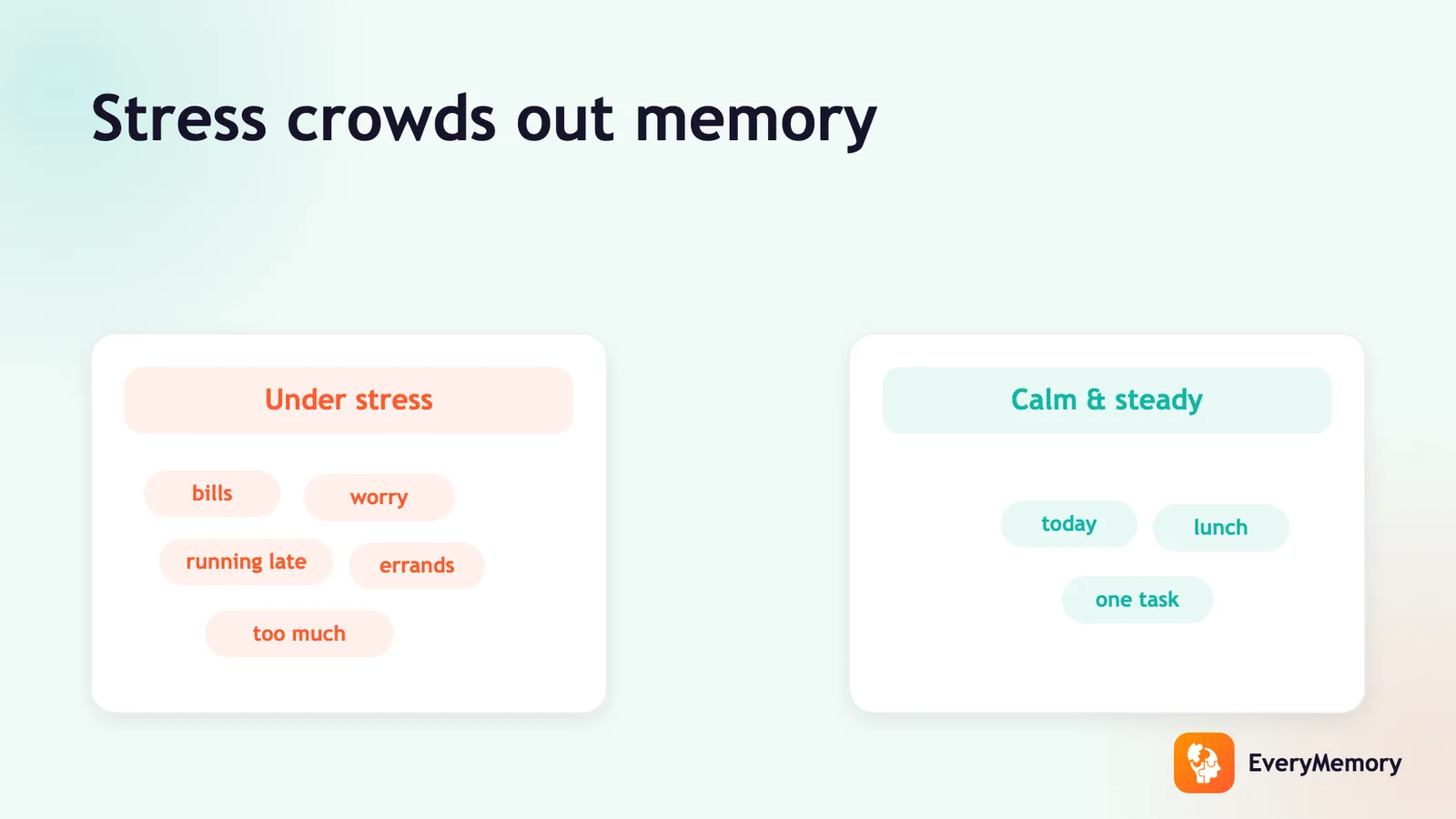
Reduced appetite is also worth considering. Your brain runs primarily on glucose, and when you are eating very little because nothing sounds appealing, your fuel supply becomes less steady. Add in the mental and emotional weight of simply feeling unwell, the disrupted routine, the frustration, the low mood that often accompanies illness, and it is easy to see why mental fatigue feeds directly into memory and recall difficulties.
None of these factors are permanent, and they all tend to improve together as you get better. The fog is a symptom of being unwell, not evidence of a lasting memory problem.
Gentle ways to support your brain while you recover
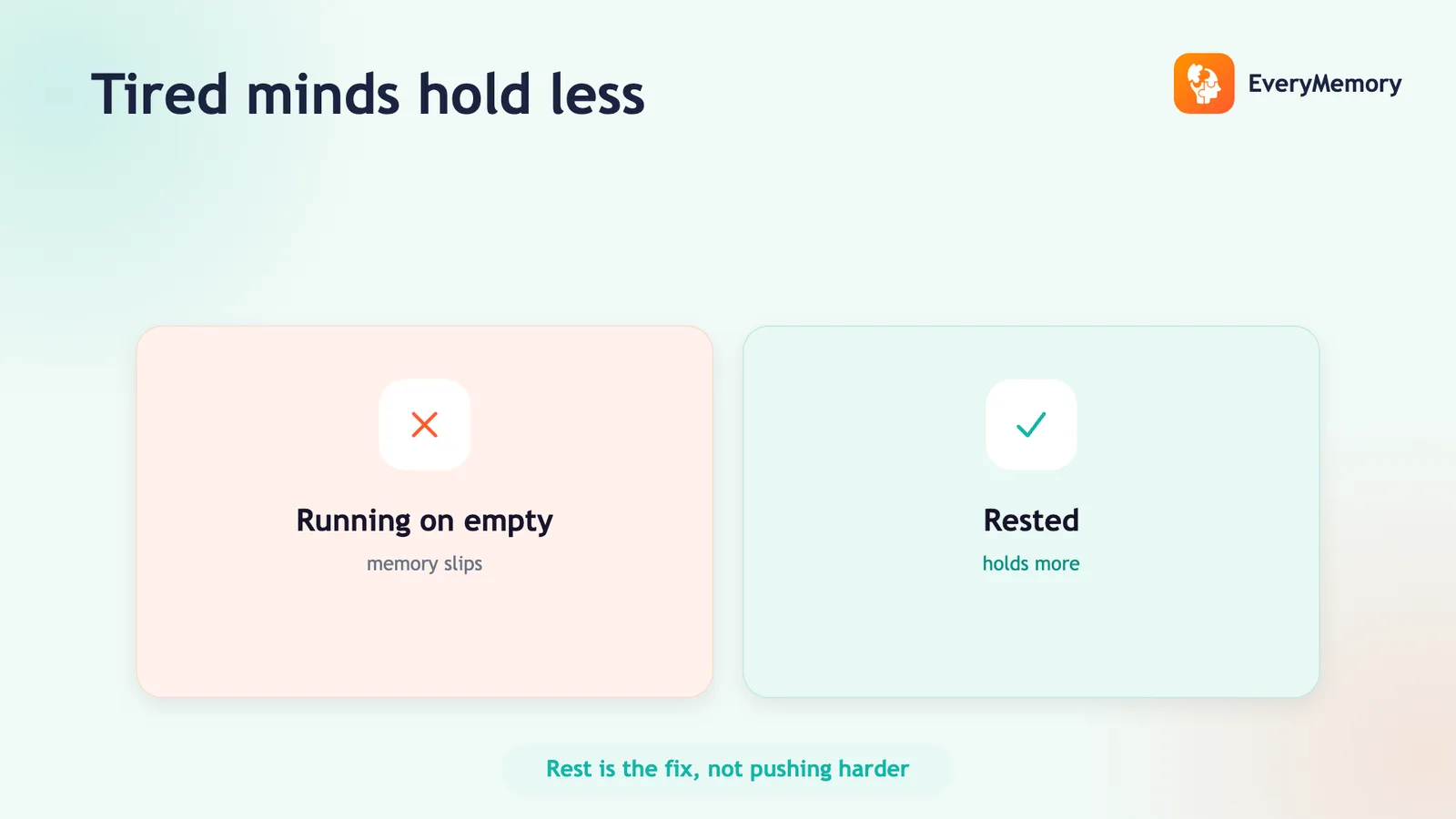
The single most effective thing you can do for your foggy brain is also the thing your body is loudly asking for: rest. Pushing through and trying to perform at your usual level when you are sick tends to slow recovery overall. Giving yourself permission to do less is not laziness, it is practical.
Staying well hydrated is one of the easier wins. Water, warm broths, and herbal teas all count. Keeping your fluid levels topped up supports baseline cognitive function and can take the edge off some of the fogginess.
It also helps to deliberately lower your mental load during illness. Postpone decisions that do not need to be made today, write things down rather than relying on memory, and be honest with people around you that you are not at your sharpest. Most people understand, they have been there too. This is not the time to test yourself with demanding tasks or to worry about temporary mental slowness.
When to check in with a professional
For the vast majority of people, brain fog during illness is short-lived. It fades as the illness resolves, and within days to a couple of weeks most people feel like themselves again mentally as well as physically.
There are situations, however, where it is sensible to speak with a healthcare professional rather than simply waiting it out. If foggy thinking or significant memory difficulties persist noticeably beyond your physical recovery, particularly for several weeks or more, it is worth flagging. Similarly, if the fog is severe, came on very suddenly, or is accompanied by other symptoms that concern you, that is worth a conversation with a doctor sooner rather than later.
Some people recovering from certain viral illnesses do experience a longer period of cognitive symptoms. This is a recognised area that doctors are aware of and can help you navigate. You do not need to manage persistent post-illness fog alone, and seeking guidance is always the right call if something is worrying you. For a calm, non-medical look at the everyday factors that affect memory once you are better, our piece on stress and forgetfulness can also be a reassuring place to start.
✅ Try this today - Be gentle on your brain while you recover
A simple checklist for the days when illness has your mind running slow. No pressure, no performance, just small acts of care.
- Hydrate before you try to think. Before reaching for your phone or attempting anything that requires concentration, drink a glass of water. Keep a bottle or cup nearby and sip steadily through the day, your brain will thank you.
- Write it down, let it go. Keep a single notepad or note on your phone as your external memory for the day. Appointments, things to remember, things you want to say, offload them there so your tired brain does not have to hold them.
- Give yourself a mental sick day. Identify one or two things you were planning to do today that genuinely can wait, and consciously move them. Rest is productive when you are unwell. Recovering faster is the most useful thing you can do.
⚠ When to talk to a professional
If cognitive symptoms are severe, came on suddenly, or persist well beyond your physical recovery, please speak with a qualified health professional rather than relying on general wellness information.