EveryMemory
How to Improve Focus in Teenagers
Teenagers focus better with phones out of reach, short study blocks, enough sleep, and a say in their own routine - practical help that doesn't turn into a fight.
Part of the guide: How to Improve Your Memory: The Complete Beginner's Guide →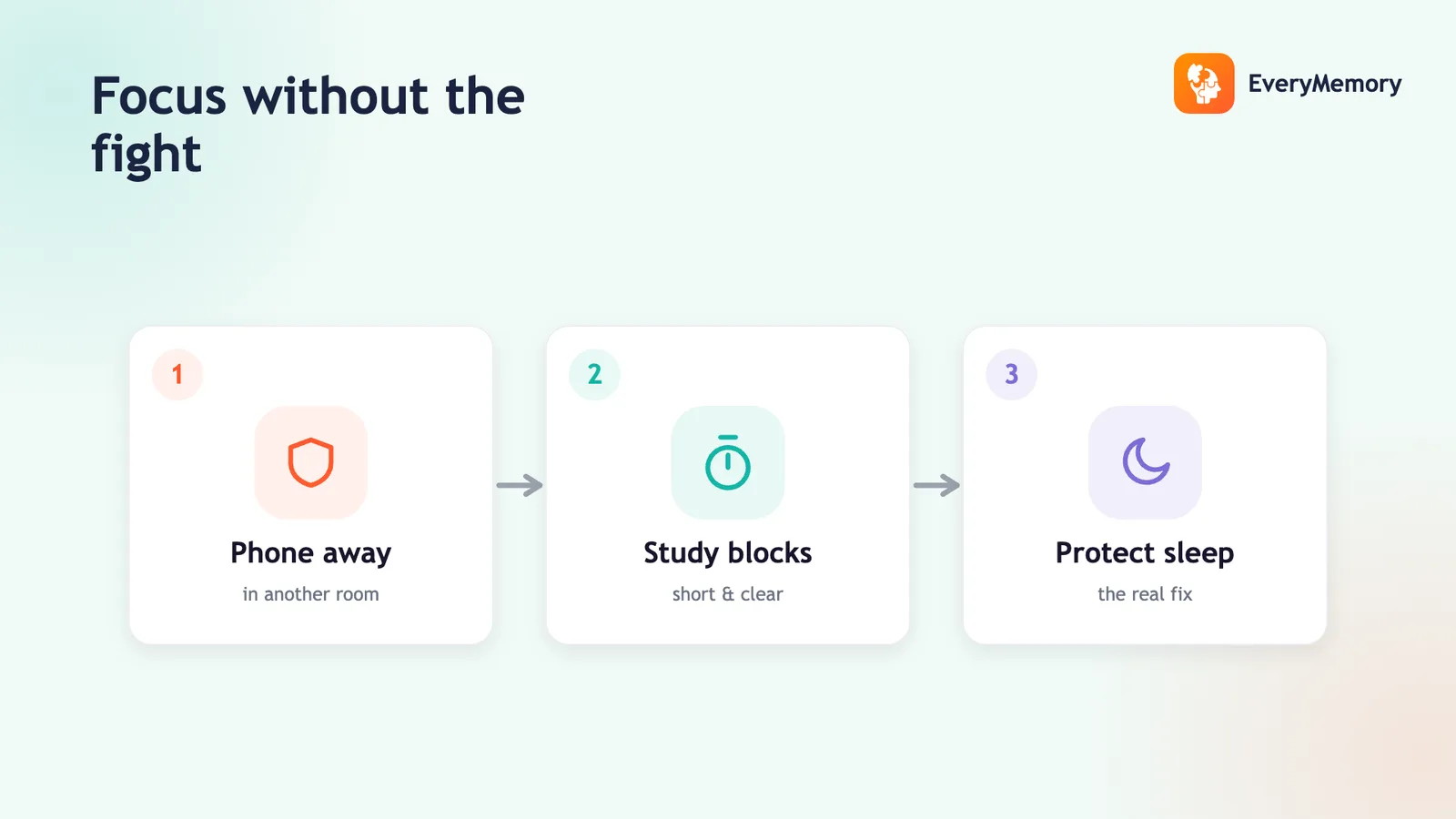
⚡ Quick answer
Help a teenager focus by keeping the phone out of the room during study, using short timed blocks with breaks rather than long sessions, and protecting sleep, which teens chronically lack. Give them ownership of the routine instead of dictating it, since teenagers focus better on systems they helped design. Tie focus to their own goals rather than your reminders.
Key takeaways
- The phone is the main drain - distance beats willpower, so keep it in another room.
- Short timed study blocks with real breaks beat open-ended marathons.
- Protect sleep, which teens chronically lack, to do the most for focus.
- Give teens ownership of the routine and tie focus to their own goals, not your reminders.
Getting a teenager to focus is a different job from getting a younger child to. Lectures land badly, phones are everywhere, and sleep is often short. What works is less about control and more about ownership - helping a teen set up conditions that make focus easier, and letting them feel the payoff.
Teenage brains are still developing the parts that handle planning and self-control, which is exactly why structure helps. The aim isn't to police a teen's attention but to hand them tools - phone strategies, short study blocks, a workable routine - they can run themselves and actually want to use.
The phone is the main event
For most teenagers, the single biggest drain on focus is the phone - not because they're irresponsible, but because the pull is designed to be hard to resist. Willpower alone rarely wins, so the realistic move is distance.
- Keep the phone in another room during study blocks, not face-down nearby.
- Use focus or app-limit modes during set work times.
- Agree phone-free study windows together rather than imposing them.
- Keep it out of the bedroom overnight to protect sleep.
- Model it - your own phone habits set the tone.
Short blocks beat long grinds
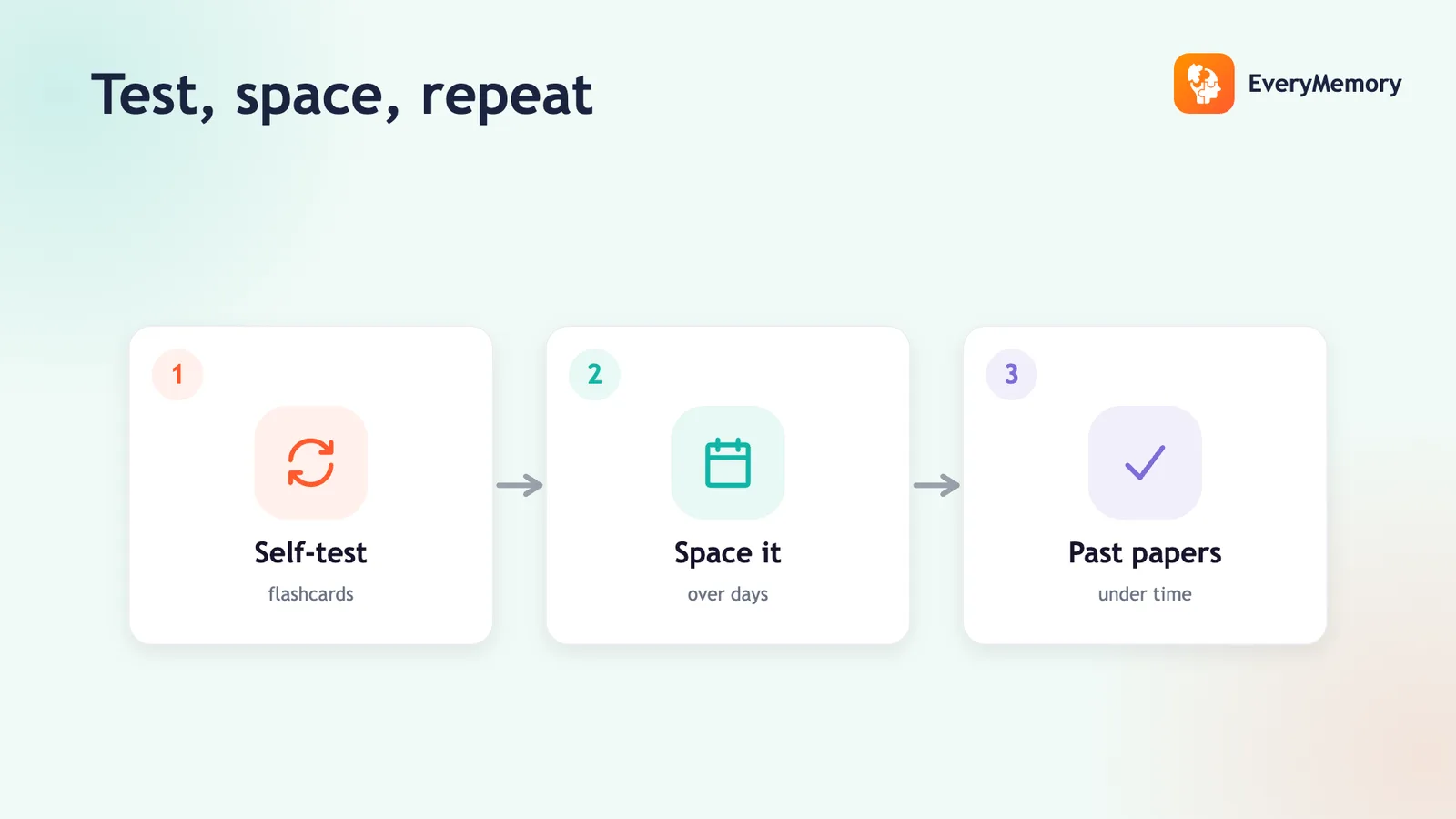
Teenagers, like everyone, focus better in short bursts than long marathons. A timed block with a clear finish - then a real break - gets more done than an open-ended "go and study" that drifts into the phone.
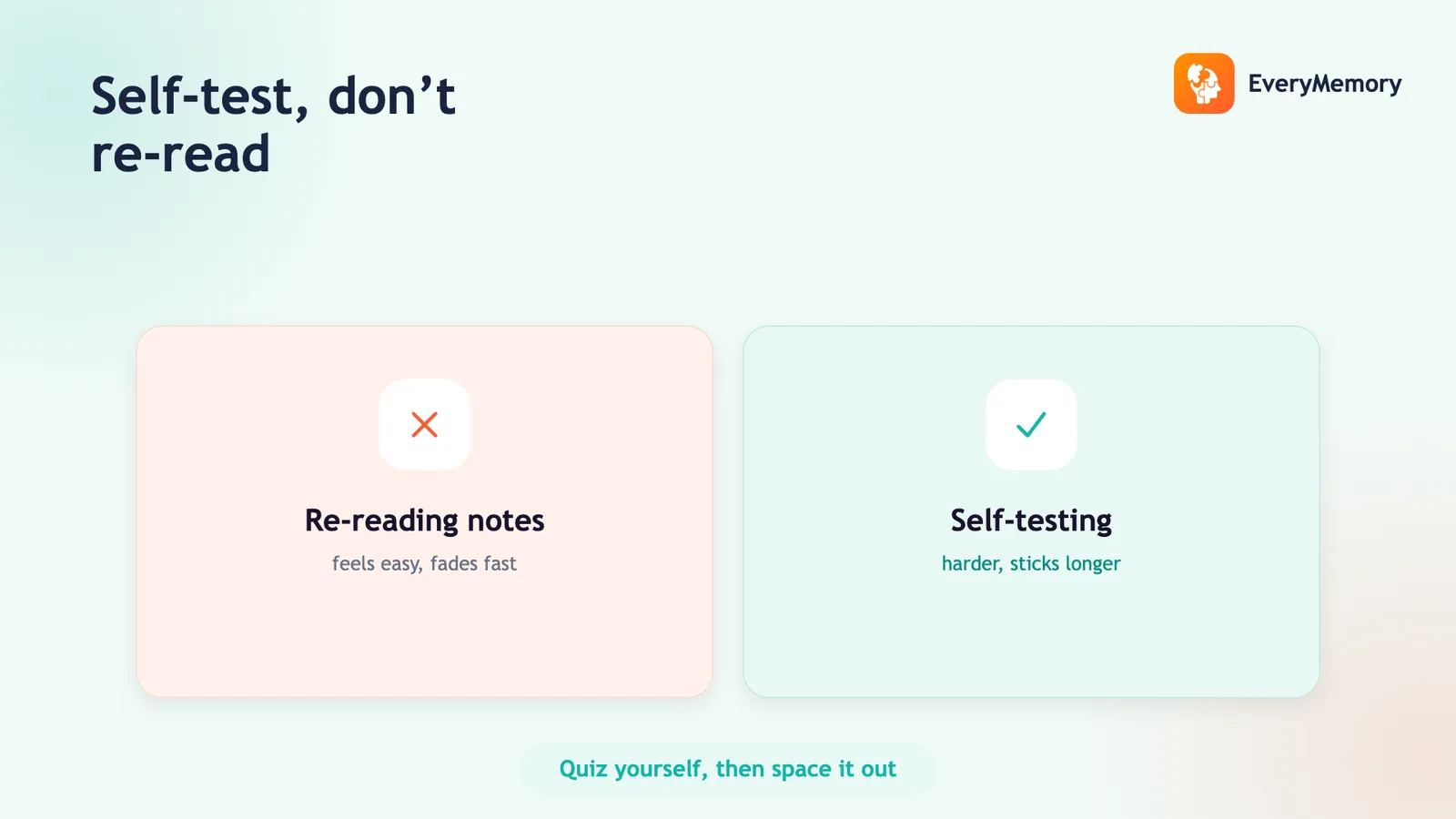
The Pomodoro rhythm suits teens well because it's something they run themselves: work for a set time, break, repeat. See the Pomodoro technique for studying, and pair it with self-testing via the active recall study method so the focused time actually pays off.
Sleep is the hidden lever
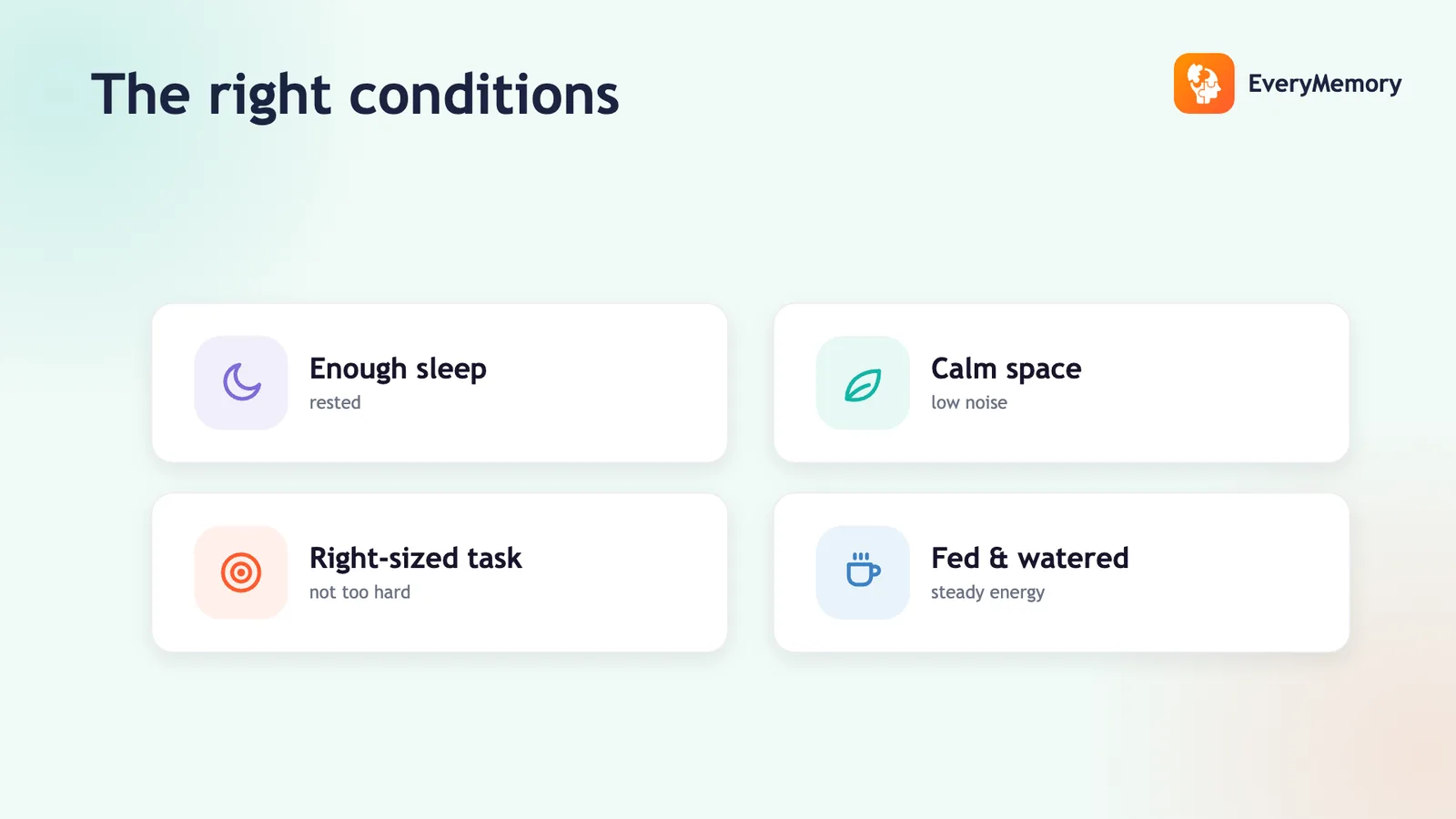
Teenagers are wired to fall asleep and wake later, yet school starts early - so most run a sleep deficit, and tired brains can't focus. Protecting sleep does more for a teen's concentration than almost anything else.
- Keep the phone out of the bedroom to remove late-night scrolling.
- Aim for a consistent sleep and wake time, even at weekends.
- Dim screens and wind down in the hour before bed.
- Treat sleep as part of studying, not the thing sacrificed for it.
- Notice that a rested teen needs far less nagging to focus.
Give them ownership
Teenagers push back on rules they didn't help make, and lean into systems they own. Instead of dictating a routine, design it together - when they study, how long, what breaks look like - and let them adjust it. A plan they shaped is one they'll actually follow.
Tie focus to their goals, not yours. "This frees up your weekend" lands better than "because I said so." For the broader toolkit, see how to improve focus and concentration and how to concentrate on studying.
✅ Try this today - Design a focus block together
Hand your teen the controls and let them build a system they'll use.
- Agree where the phone goes during study - another room is ideal.
- Let them pick a block length: 25, 40, or 50 minutes of focused work.
- Decide together what a real break looks like - not the phone.
- Run two or three blocks, then review what worked and adjust.
- Keep the version they liked and let it become their default.
⚠ When to talk to a professional
These are general, developmental suggestions, not advice for any condition. If a teenager has persistent, severe difficulty focusing that affects school and daily life, encourage them to speak with a qualified professional.